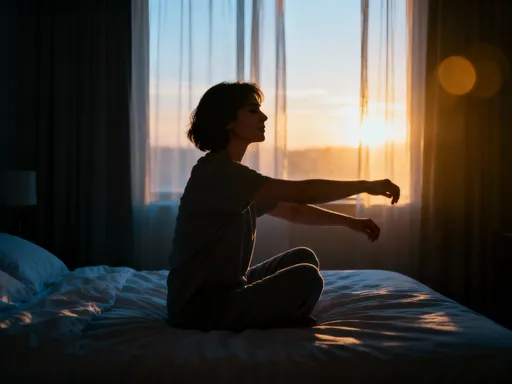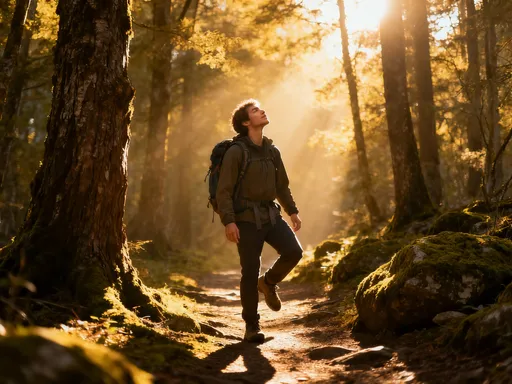
I used to feel stuck—low energy, stiff joints, and a mind full of fog. Then I laced up my shoes and tried something simple: hiking. At first, just walking uphill was a challenge, but within weeks, I noticed real changes. My body felt looser, my mood lifted, and I slept better. This isn’t a miracle cure—it’s movement, nature, and consistency. If you’re recovering from inactivity or just need a gentle reboot, this is how hiking quietly transformed my health from the ground up.
The Breaking Point: Why I Needed Change
For years, my days followed the same pattern: wake up tired, sit through work, come home sore, and fall into bed without ever feeling truly rested. I wasn’t sick, but I wasn’t well either. My joints ached after sitting too long, my back tightened from hours at the computer, and my energy dipped so low by mid-afternoon that even preparing dinner felt overwhelming. I knew something had to change, but the idea of intense workouts or crowded gyms only added to my stress. I didn’t need punishment—I needed relief.
Like many women in their 30s and beyond, I had slipped into a sedentary rhythm without realizing it. The responsibilities of family, work, and home left little room for self-care. Exercise, when it happened, was sporadic and often abandoned after a few days. What I didn’t realize was how much my physical inactivity was affecting not just my body, but my mental clarity and emotional resilience. I felt foggy, irritable, and disconnected from the person I used to be—someone who once enjoyed walks in the park and weekend outings without hesitation.
That’s when I began to consider alternatives. I read about gentle, low-impact movement and how it could support recovery without strain. Among the options, hiking stood out—not as a rigorous sport, but as a return to something basic and natural: walking in nature. Unlike high-intensity training, it didn’t demand perfection or speed. It invited slowness, presence, and patience. With no pressure to perform, I decided to give it a try, starting with just a few minutes on a nearby trail. That small step became the beginning of a deeper healing journey.
Why Nature Walks Work: The Science Behind the Shift
Hiking may look like simple walking, but the terrain makes all the difference. When you walk on a sidewalk or treadmill, the surface is flat and predictable. Your body adapts quickly, and the movement becomes repetitive. But on a natural trail, every step is slightly different—roots, rocks, slopes, and soft earth require constant micro-adjustments. This subtle variation engages more muscle groups, especially in the ankles, hips, and core, improving balance and coordination over time. It’s functional fitness disguised as exploration.
Studies have shown that walking on uneven terrain increases muscle activation by up to 30% compared to paved surfaces. This gentle resistance strengthens stabilizing muscles without strain, which is especially beneficial for those recovering from prolonged inactivity or joint discomfort. The natural incline of trails also boosts cardiovascular health gradually. Even a moderate uphill walk elevates heart rate enough to improve circulation and support joint lubrication, reducing stiffness and promoting mobility.
Beyond the physical, the mental benefits of hiking are well documented. The concept of “green exercise”—physical activity in natural environments—has been linked to reduced levels of cortisol, the stress hormone. Research from the University of Exeter found that people who spent at least two hours a week in nature reported significantly higher levels of well-being. The combination of fresh air, natural light, and rhythmic movement helps regulate mood and supports mental clarity. For someone dealing with brain fog or low motivation, these shifts can feel like a quiet reset.
Additionally, exposure to natural sunlight helps regulate circadian rhythms, which can improve sleep quality—a common challenge for women managing stress or hormonal changes. The rhythmic nature of hiking, combined with the sensory input of birdsong, rustling leaves, and earthy scents, creates a calming effect on the nervous system. It’s not just exercise; it’s a form of moving meditation that allows the mind to unwind while the body strengthens.
Starting Small: My First Hikes Without Overdoing It
I’ll admit, my first hike was humbling. I chose a short, well-marked trail in a local park, only a mile long with minimal elevation. Yet halfway through, I was breathing heavily and my legs felt like they were made of lead. I had to stop twice—once to catch my breath, once to simply take in the view. But instead of feeling defeated, I felt something unexpected: pride. I had shown up. I had moved. And I was outdoors, away from screens and schedules, just being present.
That first outing taught me the importance of starting small. I realized I didn’t need to hike for hours or climb steep hills to benefit. Even 15 to 20 minutes of walking on a gentle path could make a difference. I began scheduling short hikes three times a week, always on flat or slightly rolling terrain. I paid attention to how my body responded—soreness was normal, but sharp pain was a signal to rest. I learned to pace myself, walking slowly and taking breaks when needed, without guilt.
Proper footwear made a surprising difference. I invested in a pair of supportive trail shoes with good grip and cushioning. They weren’t expensive, but they provided stability on uneven ground and reduced strain on my knees. I also learned to dress in layers, since temperatures can shift quickly under tree cover or at higher elevations. A light moisture-wicking shirt, a breathable jacket, and a hat for sun protection became my go-to hiking outfit.
Choosing the right trail was just as important. I looked for paths that were well-maintained, shaded, and close to home. Parks with loop trails were ideal—they eliminated the need to retrace my steps, which made the walk feel longer and more engaging. I avoided steep or rocky routes at first, focusing instead on consistency and comfort. Over time, my endurance improved, and what once felt challenging became enjoyable.
What Changed: Physical and Mental Gains I Didn’t Expect
The changes didn’t happen overnight, but they were real. After about six weeks of regular hiking, I noticed I could climb a flight of stairs without gripping the railing. My lower back, which used to stiffen after sitting, felt looser and more flexible. I stood taller, and my posture improved without conscious effort. These weren’t dramatic transformations, but they added up in meaningful ways—like being able to play with my children at the park without needing to sit down after ten minutes.
Sleep was another area that improved unexpectedly. I had always struggled with restless nights, often waking up between 2 and 3 a.m. with a racing mind. But as my hiking routine became consistent, my sleep deepened. I fell asleep faster and stayed asleep longer. I believe the combination of physical exertion, exposure to natural light, and reduced stress played a role. My body finally felt tired in a healthy way, not drained.
Emotionally, I felt more grounded. The constant low-grade anxiety that used to hum in the background began to fade. On the trail, my thoughts slowed down. I wasn’t trying to solve problems or plan the next day—I was simply walking, breathing, noticing. This mental space allowed me to process emotions without pressure. I started to feel a quiet sense of accomplishment, not because I had hiked far, but because I had shown up for myself, day after day.
One of the most surprising benefits was increased confidence. I began to trust my body again. I no longer saw it as something that ached or failed me, but as a capable, resilient partner. This shift in mindset spilled over into other areas of life—I spoke up more at work, made time for hobbies, and set boundaries without guilt. Healing wasn’t just physical; it was a reconnection with my sense of self.
Building a Routine: How I Made It Stick Without Burnout
Consistency, not intensity, became my guiding principle. I didn’t aim for long hikes every day. Instead, I built a sustainable rhythm: three short hikes per week, with rest days in between. I treated them like appointments—non-negotiable but flexible. If I was too tired one day, I shortened the walk or switched to a flatter trail. The goal wasn’t to push through, but to stay engaged without exhaustion.
To stay motivated, I started tracking my hikes in a simple notebook. I noted the date, trail name, duration, and how I felt afterward. Over time, I could see progress—not in miles or speed, but in energy levels and mood. Seeing those entries stacked up gave me a sense of continuity and purpose. I also invited a friend to join me occasionally. Walking together made the time pass quickly, and we held each other accountable without pressure.
Varying my routes helped prevent boredom. I explored different parks, nature reserves, and wooded paths within driving distance. Each trail had its own character—the sound of a creek, a field of wildflowers, a grove of tall pines. These small discoveries made hiking feel less like exercise and more like an adventure. I began to look forward to my outings, not as chores, but as moments of peace and renewal.
I also learned to listen to my body’s signals. There were days when fatigue or joint discomfort told me to rest, and I honored that. I avoided comparing myself to others or chasing milestones. This wasn’t about achievement; it was about restoration. By focusing on gentle, consistent movement, I avoided burnout and built a habit that lasted.
Gear That Helped (Without Breaking the Bank)
You don’t need expensive gear to start hiking, but a few thoughtful choices can make a big difference in comfort and safety. The most important item I invested in was a good pair of trail shoes. They provided cushioning for my joints and grip on slippery surfaces, reducing the risk of slips or strain. I found a reliable pair at a mid-range outdoor store, well under $100, and they’ve lasted for over a year with regular use.
Layered clothing was another key. Instead of one heavy jacket, I wore lightweight, moisture-wicking pieces that I could add or remove as needed. A breathable long-sleeve shirt, a light fleece, and a windproof outer layer worked well in most weather. I avoided cotton, which holds moisture and can lead to chills, especially if I stopped for a break.
Staying hydrated was essential, so I carried a small hydration pack with a 1.5-liter reservoir. It distributed weight evenly and left my hands free. I also packed a reusable water bottle as backup. For longer hikes, I brought a simple snack—like a banana, a handful of nuts, or a granola bar—to maintain energy without heaviness.
Other helpful items included a wide-brimmed hat for sun protection, a small first-aid kit with bandages and antiseptic wipes, and a basic trail map or offline GPS app on my phone. I didn’t need high-tech gadgets—just the basics to feel prepared and comfortable. The goal was safety and ease, not performance.
Beyond the Trail: How Hiking Improved Daily Life
The benefits of hiking didn’t stay on the trail—they spilled into my everyday life. I noticed I stood taller at work, carried groceries with more ease, and felt less fatigued after household chores. My improved balance made me feel more confident walking on uneven sidewalks or icy patches in winter. Even my breathing felt deeper and more relaxed, as if my lungs had expanded from all the fresh air.
Mentally, I approached challenges with more patience. The rhythm of hiking had taught me that progress is gradual. I stopped expecting instant results in other areas of life—whether it was organizing a cluttered closet or learning a new skill. I applied the same principle: start small, keep going, trust the process. This mindset reduced my stress and increased my resilience.
My relationship with my body also transformed. Instead of focusing on appearance or weight, I began to appreciate what my body could do. It carried me up hills, balanced on roots, recovered from effort. This shift from criticism to gratitude was powerful. I started moving more throughout the day—taking the stairs, walking during phone calls, stretching after sitting. Hiking had sparked a ripple effect of healthier habits.
Most importantly, hiking gave me back a sense of agency. In a world full of demands and distractions, it reminded me that I could choose to care for myself. I didn’t need a perfect plan or dramatic overhaul—just the decision to step outside and walk. Over time, those steps added up to a stronger, calmer, more capable version of myself.
Hiking didn’t fix everything overnight, but it gave me back a sense of control. It’s not about summiting mountains—it’s about showing up for yourself, breathing deep, and moving gently through recovery. With no fancy equipment or extreme effort, this simple habit became a foundation for lasting wellness. If you’re healing, easing into movement, or just craving a reset, try walking into nature. Your body—and mind—might just thank you.