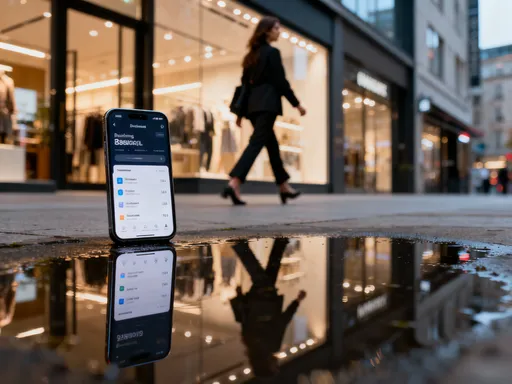
You know that rush when you spot the perfect jacket—stylish, sleek, and just your vibe? I’ve been there, swiping my card before asking if I could actually afford it. Over time, I turned my fashion habit from a budget killer into a smarter system. It’s not about skipping trends—it’s about using the right financial tools to enjoy style without stress. This is how I balance loving fashion and protecting my future. The truth is, looking good doesn’t have to cost your financial peace. With thoughtful strategies, you can wear what makes you feel confident while still building savings, reducing debt, and planning for what truly matters. Fashion and financial health aren’t enemies—they can work together when guided by intention and smart systems.
The Hidden Cost of Looking Good
Fashion is more than fabric—it’s identity, mood, and self-expression. For many, updating a wardrobe brings joy, boosts confidence, and even supports professional presence. But beneath the surface of that thrill lies a financial current that’s easy to overlook: the cumulative impact of small, frequent purchases. A $40 top here, a $120 pair of shoes there, a subscription for curated outfits delivered monthly—none feel like major expenses in the moment. Yet over time, these choices can quietly erode savings, delay financial goals, and create a cycle of post-purchase regret. This isn’t about shaming personal style; it’s about recognizing how emotional spending, especially in fashion, often slips under the radar of traditional budgeting.
One of the biggest contributors to fashion-related overspending is lifestyle inflation—the tendency to spend more as income rises. When a bonus hits the account or a raise takes effect, it’s tempting to celebrate with a shopping spree. A new handbag, a designer dress, or a seasonal wardrobe refresh feels like a reward for hard work. While treating yourself isn’t inherently harmful, doing so without planning can distort priorities. The danger lies not in occasional indulgence but in making it a pattern without awareness. Over time, what starts as a reward becomes an expectation, and the wardrobe expands faster than the emergency fund.
Another hidden cost is the clutter of unused or underused items. Many of us have pieces tucked away—beautiful clothes worn only once or twice, shoes that pinched after five minutes, or accessories bought on impulse and never paired. These items represent not just wasted money but missed opportunities. That $80 blouse worn once equates to an $80-per-wear cost, a figure that becomes unsustainable when multiplied across a closet. The emotional toll compounds when opening a full closet and still feeling like there’s nothing to wear. This paradox often leads to more shopping, feeding the cycle. The solution isn’t deprivation but clarity—understanding what you truly value and aligning spending with long-term goals.
Why Traditional Budgeting Falls Short for Fashion Lovers
Most budgeting advice follows rigid frameworks like the 50/30/20 rule—50% for needs, 30% for wants, 20% for savings. While helpful in theory, these models often fail in practice, especially for those passionate about fashion. The problem isn’t the rule itself but its inflexibility. Life isn’t static, and neither are personal preferences. A month heavy on social events might require more outfit investment; a career shift might call for a professional wardrobe update. When a budget doesn’t accommodate these real-life needs, it’s easy to abandon it altogether.
For fashion lovers, the “wants” category often feels too broad or too restrictive. Is a high-quality coat a want or a need? What about dry cleaning, alterations, or storage solutions for seasonal pieces? Traditional budgets rarely account for these nuances, leading to frustration. When the system feels out of touch, people either overspend guiltily or restrict so harshly that they eventually rebel with a splurge. This all-or-nothing mindset undermines long-term financial health. The issue isn’t lack of discipline—it’s lack of a tailored approach that respects both financial responsibility and personal expression.
A more effective strategy embraces flexibility. Instead of labeling fashion as purely discretionary, it’s more realistic to treat it as a variable expense—one that can be managed with intention. This means creating space for style within a budget without letting it dominate. It also means recognizing that spending on clothing isn’t inherently wasteful; it’s how and why we spend that matters. A $200 investment in a timeless blazer that lasts a decade is fundamentally different from five $40 trendy jackets that go out of style in months. The goal isn’t to eliminate fashion spending but to make it conscious, deliberate, and aligned with values.
Behavioral economics shows that people are more likely to stick with financial plans that feel realistic and supportive, not punitive. This is why one-size-fits-all budgeting often fails. When a system ignores emotional drivers—like the desire to feel confident or fit in—it sets people up for failure. A better approach integrates self-awareness with structure. It asks: What does fashion mean to you? Is it creativity? Comfort? Professionalism? By understanding the emotional payoff, you can design a spending plan that satisfies those needs without compromising financial stability.
The Game-Changing Tool: Micro-Saving with Style Anchors
One of the most effective tools for fashion-conscious spenders is micro-saving tied to specific style goals. This method transforms abstract desires—like “I want a better wardrobe”—into concrete, achievable targets. Instead of waiting for a big paycheck or relying on credit, you build funds gradually through small, automatic deposits. The key is linking each saving goal to a tangible fashion item: a tailored coat for winter, a pair of classic leather boots, or a special occasion dress. These become “style anchors”—visual representations of progress that keep motivation high.
Designated savings buckets, whether in a digital bank app or a separate account, make this strategy work. When you label a fund “Winter Coat 2024” or “Workwear Upgrade,” you create psychological ownership. Every deposit, even if only $5 a day, feels like a step toward something meaningful. Research in behavioral finance shows that people are more likely to save when they can visualize the outcome. A progress bar filling up or a photo of the desired item next to the savings total reinforces commitment. This isn’t just about discipline—it’s about designing a system that works with human psychology, not against it.
The power of micro-saving lies in its accessibility. Saving $150 for a handbag seems daunting when viewed as a lump sum. But broken down, it’s just $5 a day—less than a daily coffee. By automating these small transfers, the process becomes effortless. Over time, these deposits compound, and what once felt out of reach becomes attainable. More importantly, the act of saving builds financial patience. Instead of immediate gratification, you practice delayed gratification, which strengthens overall money management skills. You begin to see fashion not as an expense to regret but as a goal to earn.
This approach also reduces the temptation to rely on credit. When you have a growing fund dedicated to a specific purchase, the urge to swipe a card diminishes. You’re no longer choosing between instant ownership and financial stress. You’re choosing between patience and payoff. And because the goal is clearly defined, you’re less likely to impulse-buy something else along the way. The style anchor acts as a filter—does this new item align with my current goal, or is it a distraction? This simple question can prevent countless unplanned purchases.
Credit, but Smarter: Leveraging Cards Without Falling Trap
Credit cards often get a bad reputation, but they aren’t inherently harmful. Like any tool, their impact depends on how they’re used. For fashion lovers, credit cards can be powerful allies—if managed wisely. The key is to shift from reactive spending to strategic use. This means leveraging rewards, cashback, and grace periods not as excuses to spend more but as benefits to enhance value on planned purchases. When used with discipline, credit cards can help you get more for your money without increasing debt.
One of the most valuable features is the grace period—the time between the end of a billing cycle and the payment due date, typically 21 to 25 days. During this window, no interest is charged, effectively giving you a short-term, interest-free loan. This can be especially useful for larger fashion purchases. If you’ve been saving in a micro-savings bucket and the fund is nearly full, using a credit card to cover the balance temporarily can allow you to buy the item at the right time—say, during a seasonal sale—without losing momentum. As long as the full balance is paid by the due date, you avoid interest and maintain credit health.
Rewards programs add another layer of benefit. Many cards offer cashback or points for purchases in specific categories, including retail or department stores. By aligning your card with your spending habits, you can earn rewards on purchases you’d make anyway. For example, a card that offers 5% cashback on clothing lets you reclaim a portion of your fashion budget over time. The key is to treat these rewards as bonuses, not as extra spending money. Cashback should go toward savings, debt reduction, or future wardrobe goals—not into another shopping trip.
The biggest risk with credit cards is the minimum payment trap. Paying only the minimum due keeps you in debt longer and accumulates interest, often at high rates. A $200 dress can end up costing $250 or more if carried over months. To avoid this, always aim to pay the full balance. Spend tracking tools, either through your bank or a budgeting app, can help monitor spending in real time. Setting up alerts for when you reach a certain threshold—say, 70% of your monthly fashion budget—can prevent overspending before it happens. The goal is awareness, not restriction. When you know where your money is going, you make better choices.
Resale & Rental: The Rise of Circular Fashion Economics
The fashion industry is shifting, and so are the ways we access clothing. Resale and rental platforms have grown into mainstream options, offering a smarter, more sustainable way to enjoy style. These models challenge the idea that ownership is the only path to wearing great clothes. Instead, they introduce the concept of fashion as a service or a short-term asset. For financially savvy individuals, this shift opens opportunities to reduce costs, increase variety, and even generate income—all while being mindful of environmental impact.
Rental services allow access to high-end or occasion-specific pieces at a fraction of retail cost. Need a designer dress for a wedding? Rent it for a week instead of buying something you’ll wear once. Platforms often include cleaning and shipping, making the process seamless. Over time, renting can save hundreds, even thousands, especially for infrequently worn items. The cost-per-wear calculation becomes dramatically favorable—a $300 dress rented for $50 used once has a $50-per-wear cost versus $300 if purchased. For those who love variety without clutter, rental is a game-changer.
Resale works both ways: you can buy gently used items at lower prices, and you can sell pieces you no longer wear. This creates a self-sustaining cycle. A coat you loved last winter but won’t wear again can be sold to fund part of next season’s update. Secondhand marketplaces have made this easier than ever, with authentication services and user reviews adding trust. The financial benefit is clear—every dollar earned from resale is a dollar that doesn’t need to come from new income. It’s like getting a discount on future purchases.
This circular model also encourages more thoughtful buying. When you know you might resell an item later, you’re more likely to choose quality over trendiness. Durable fabrics, timeless cuts, and brand reputation matter more because they affect resale value. This mindset shift leads to better long-term spending habits. You start asking: Will I wear this at least 30 times? Can it be styled multiple ways? Will it hold value? These questions foster intentionality and reduce impulse decisions. Fashion becomes less about consumption and more about curation.
Building a Wardrobe That Works for You (and Your Wallet)
One of the most powerful financial moves in fashion isn’t about saving money—it’s about spending it wisely. A well-curated wardrobe centered on versatility and quality can drastically reduce long-term costs. The concept of a capsule wardrobe—owning fewer, high-quality pieces that mix and match—has gained popularity for good reason. It’s not about limiting style but about maximizing utility. When your clothes work together, you wear more of what you own, buy less often, and feel more confident in your choices.
Start by auditing your current wardrobe. Pull everything out and assess what you actually wear versus what you own. Identify gaps: Do you have enough basics? Are there colors or styles that dominate? Are there items you avoid because they’re uncomfortable or hard to pair? This exercise reveals patterns and helps you plan purchases with purpose. Instead of chasing trends, you focus on filling functional needs—like a neutral blazer, a pair of dark jeans, or a versatile dress that can go from day to night.
Cost-per-wear is a valuable metric here. Divide the price of an item by the number of times you wear it. A $120 dress worn five times costs $24 per wear. The same dress worn 20 times costs $6 per wear. This simple calculation shifts focus from price to value. It encourages investment in pieces that last—both in durability and style. Natural fibers like wool, cotton, and silk tend to age better than synthetics. Tailoring and proper care extend life even further. Over time, this approach leads to a closet that feels abundant, not overcrowded.
Styling skills amplify the impact. Learning how to layer, accessorize, or recombine pieces creates new looks without new purchases. A scarf, belt, or pair of shoes can transform an outfit. This creative engagement with fashion fosters satisfaction and reduces the need for novelty. When your wardrobe feels dynamic and expressive, the urge to shop diminishes. You’re not depriving yourself—you’re empowering yourself with what you already have.
From Trend Chaser to Financially Confident Spender
The journey from impulsive fashion spending to financial confidence isn’t about perfection—it’s about progress. It’s about replacing guilt with awareness, reaction with intention, and scarcity with strategy. Every small shift compounds: saving $5 a day, reselling a jacket, choosing quality over quantity, or using a credit card with discipline. These actions build not just a better wardrobe but a stronger financial foundation. The goal isn’t to stop enjoying fashion but to enjoy it sustainably—without compromising your future.
What ties all these tools together is mindset. Financial confidence comes from knowing you have a plan, not from having endless money. It’s the peace of mind that comes from aligning your spending with your values. When you love what you wear and trust your financial choices, style becomes an expression of self—not a source of stress. You no longer feel torn between looking good and doing well with money. They become part of the same goal: living intentionally.
Support systems matter, too. Whether it’s a budgeting app, a financial coach, or a community of like-minded individuals, having resources helps maintain momentum. Sharing goals, celebrating wins, and learning from setbacks keeps you on track. The journey isn’t linear, but each step forward strengthens your relationship with money. You begin to see financial tools not as constraints but as enablers—ways to get more of what you truly want.
In the end, fashion and financial health aren’t opposites. They can coexist when guided by clarity, purpose, and the right strategies. You don’t have to choose between style and savings. With intentional tools—micro-saving, smart credit use, resale, and thoughtful curation—you can have both. The most powerful outfit you’ll ever wear is confidence—not just in how you look, but in how you manage your life. And that’s a trend worth investing in.