Ever floated in a sea so salty your body refuses to sink? I didn’t believe it either—until I got to the Dead Sea in Jordan. This surreal, mineral-rich wonder isn’t just a dip; it’s a full-body escape shaped by nature and history. From healing mud to desert sunsets, every moment here feels unreal. If you’re chasing something deeper than a typical beach day, this is it. Nestled between Jordan and Israel, the Dead Sea lies 430 meters below sea level—the lowest point on Earth’s surface—and offers an experience found nowhere else. The water’s extraordinary density allows you to lie back and read a magazine while floating effortlessly. But beyond the novelty lies a landscape steeped in natural science, ancient tradition, and quiet transformation. This is not just a vacation stop. It’s a journey into the extraordinary.
The Dead Sea: Nature’s Floating Paradise
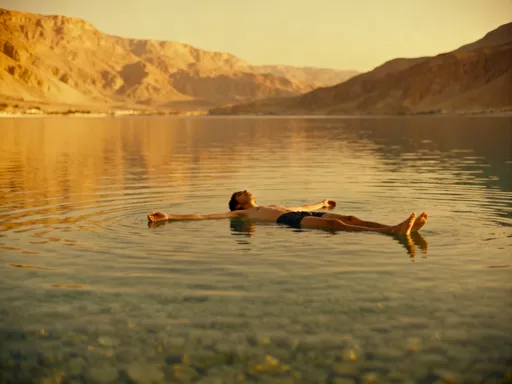
The first time you step into the Dead Sea, your body reacts before your mind can catch up. The water feels thick, almost syrupy, as if it’s alive and holding you in place. You don’t swim here—you float. And not just float, but rise effortlessly to the surface, arms outstretched, legs buoyant, as though gravity has been gently turned off. This is due to the sea’s extraordinary salt concentration, which exceeds 30%, nearly ten times that of regular seawater. Such high salinity makes it nearly impossible for marine life to survive—hence the name—but perfect for human buoyancy. The sensation is both calming and surreal, like drifting in a dream where the rules of physics are suspended.
What makes this experience so powerful isn’t just the science, but the silence that surrounds it. There are no crashing waves, no undertows, no need to tread water. The surface is often glassy, reflecting the vast desert sky above. The stillness allows for deep introspection. Many visitors describe the float as meditative, a rare moment of weightlessness that lifts not only the body but also the spirit. Children laugh as they bob like corks, while adults close their eyes and breathe in the mineral-rich air, feeling tension melt away. The shoreline is often dotted with people lying on their backs, some reading books, others simply staring at the clouds, suspended between earth and sky.
This phenomenon is not a tourist gimmick. It’s a rare geological occurrence, found in only a few places on Earth, and the Dead Sea remains the most accessible and dramatic example. Formed over millions of years through tectonic shifts and evaporation, the sea continues to shrink due to climate change and human water usage, making each visit feel more precious. The water’s composition—rich in magnesium, calcium, potassium, and bromides—also contributes to its therapeutic reputation. While floating, your skin absorbs these minerals, which many believe support hydration and skin health. It’s a full sensory experience: the warmth of the sun, the quiet hush of the desert, the gentle cradle of the water, and the knowledge that you are floating in one of nature’s most unique creations.
Why Jordan’s Side Stands Out
While the Dead Sea is shared between Jordan and Israel, more travelers are discovering that the Jordanian side offers a more relaxed, authentic, and accessible experience. On the eastern shore, the landscape unfolds with dramatic clarity—golden desert cliffs rising from the water’s edge, wide stretches of flat coastline, and resorts built to blend into the natural surroundings. Unlike the more developed and often crowded Israeli side, Jordan’s coastline maintains a sense of openness and tranquility. Public access is well-organized, with clean entry points, maintained boardwalks, and clear signage guiding visitors to designated floating areas.
One of the biggest advantages of visiting the Jordanian side is affordability. Day passes to public beaches are reasonably priced, making it possible for families and solo travelers alike to enjoy the experience without overspending. Resorts like the Mövenpick Resort and the Dead Sea Spa offer premium amenities, but even budget-conscious visitors can access the water through designated public zones. These areas are equipped with restrooms, showers, and shaded seating, ensuring comfort without compromising on authenticity. The pace here is slower, the crowds thinner, and the focus remains on connection—with nature, with oneself, and with the quiet beauty of the place.
Additionally, Jordan’s commitment to sustainable tourism is becoming increasingly evident. Many resorts and public facilities follow eco-friendly practices, from water conservation to waste management. This attention to environmental responsibility enhances the visitor experience, allowing people to enjoy the sea while respecting its fragility. The government has also invested in improving transportation links, making it easier to reach the Dead Sea from Amman, just a 45-minute drive away. For travelers seeking both convenience and serenity, Jordan’s side delivers a balanced, welcoming experience that feels both modern and timeless.
The Healing Power of Mineral Mud
One of the most iconic rituals at the Dead Sea is covering your body in its thick, black mud. Found along the shoreline, this mineral-rich sludge has been used for centuries for its skin-nourishing properties. Locals and visitors alike scoop handfuls of the cool, velvety mud and apply it to their arms, legs, face, and back, creating a natural spa treatment under the desert sun. The mud is packed with magnesium, calcium, potassium, and sulfur—minerals known to support skin hydration, reduce inflammation, and improve circulation. Dermatologists have studied its effects, and many recommend it for conditions like psoriasis, eczema, and acne.
The experience of applying the mud is as sensory as it is therapeutic. As you spread it over your skin, you feel its cooling effect, a relief from the warm air. It dries slowly, tightening slightly as it draws out impurities. After 10 to 15 minutes, you wade into the water, where the salt gently lifts the mud away, leaving your skin feeling smooth, soft, and deeply cleansed. It’s a ritual that connects you to ancient traditions—Queen Cleopatra was said to have established cosmetic factories near the Dead Sea for this very reason. Today, you don’t need royalty status to enjoy the same benefits.
To make the most of this experience, timing matters. The best moment to apply the mud is just before floating, allowing it to work while you’re in the water. Wear an old swimsuit, as the dark minerals can stain fabric. Avoid applying mud to broken skin or recent cuts, as the salt can cause stinging. After rinsing, it’s essential to rehydrate—drink plenty of water and use moisturizer, as the salt can leave skin feeling dry. Many resorts provide complimentary mud stations and freshwater showers, making the process easy and enjoyable. For many women, especially those managing skin concerns or simply seeking self-care, this ritual becomes a highlight—a moment of nurturing that feels both indulgent and natural.
Top Spots for an Authentic Experience
The Dead Sea offers a range of access points, each with its own character and advantages. For budget-friendly, no-frills access, Amman Beach is a popular public option. Managed by the Jordanian Ministry of Tourism, it provides clean facilities, shaded areas, and direct entry to the water. While it can get busy on weekends, arriving early ensures a peaceful experience. Families appreciate the open space, and solo travelers enjoy the ease of entry and the chance to mingle with locals. There’s a small fee for entry, but it includes access to restrooms, showers, and lifeguard services, making it a reliable choice for first-time visitors.
For those seeking a more secluded and scenic setting, Ein Gedi Nature Reserve on the western shore offers a wilder experience. Though located in Israel, it’s worth mentioning as a contrast to Jordan’s offerings. Here, freshwater springs feed into the saltwater, creating small oases where birds gather and greenery thrives. The hike to the waterfall is refreshing in cooler months, and the floating experience is just as powerful. However, access is more limited, and facilities are minimal. It’s ideal for nature lovers but less convenient for families or those with mobility concerns.
On the Jordanian side, resort-based access provides comfort and consistency. The Mövenpick Resort Dead Sea, for example, offers private beach access, professional spa treatments, and supervised floating zones. Their facilities include freshwater pools, sun loungers, and shaded cabanas, making it ideal for travelers who want a full day of relaxation. The resort also hosts guided wellness programs, including yoga and skin therapy sessions that incorporate Dead Sea minerals. While more expensive than public beaches, the added services and comfort make it a worthwhile choice for special occasions or extended stays. Each location offers something different—whether it’s affordability, solitude, or luxury—but all share the same magical water.
What to Know Before You Go
Preparation is key to enjoying the Dead Sea safely and comfortably. One of the most important tips is to avoid shaving or waxing 24 to 48 hours before your visit. The high salt content can cause a sharp stinging sensation on freshly exposed skin, especially on the legs and underarms. Even small cuts or insect bites can become irritated, so it’s wise to check your skin beforehand. If you have sensitive skin or a medical condition, consult your doctor before immersing yourself in the water.
Protecting your eyes is equally important. The salt can cause intense discomfort if it gets into your eyes, so avoid splashing and keep your face dry while floating. If you wear contact lenses, consider switching to glasses for the day. Bring a bottle of freshwater to rinse off any accidental splashes. Never swallow the water—it’s extremely salty and can cause dehydration or nausea. Also, resist the urge to dive or jump in; the density of the water can make flipping over difficult, and getting saltwater in your nose or ears can be painful.
Foot protection is recommended, especially on rocky shores. Water shoes or aqua socks prevent cuts from sharp salt crystals or hidden stones. While some resorts provide foam mats or smooth entry points, public beaches may have uneven terrain. Sun protection is essential—the desert sun is strong, and the reflective surface of the water increases UV exposure. Wear a wide-brimmed hat, apply reef-safe sunscreen, and seek shade during peak hours. Most visitors find early morning or late afternoon to be the best times to visit, when temperatures are milder and the light is golden. Entry fees vary, with public beaches costing around $15–$25 per person, while resort access may be included in an overnight stay or day-spa package.
Beyond the Float: Hidden Desert Gems Nearby
The Dead Sea is more than a standalone destination—it’s a gateway to Jordan’s rich cultural and natural heritage. Just a short drive away lies Mount Nebo, a historic site believed to be where Moses viewed the Promised Land. The panoramic view from the summit stretches across the Jordan Valley to Jerusalem on clear days. A small church and memorial mark the spot, creating a peaceful place for reflection. The climb is gentle, and the site welcomes visitors of all ages, making it a meaningful addition to any itinerary.
Another nearby attraction is Lot’s Cave, a biblical site associated with the story of Lot and his daughters. Located near the southern end of the Dead Sea, the cave is accessible via a short hike and offers insight into ancient traditions and religious history. While the story is complex, the site itself is modest and respectfully maintained. It’s a quiet place, tucked into the cliffs, where visitors can pause and consider the deep roots of human presence in this region.
For those who love hiking, Wadi Mujib Siq Trail offers an exhilarating adventure during the cooler months. This dramatic gorge requires wading through narrow canyons, climbing over boulders, and swimming through clear streams. Managed by the Royal Society for the Conservation of Nature, the trail is safe and well-guided, with routes suitable for different fitness levels. The contrast between the cool, rushing water and the towering red rock walls is unforgettable. Completing the hike and returning to the calm of the Dead Sea creates a perfect balance of activity and relaxation. These nearby sites enrich the journey, transforming a simple float into a deeper exploration of land, history, and self.
Sustainable Travel in a Fragile Landscape
The Dead Sea is disappearing. Scientists estimate it shrinks by about one meter each year, a result of reduced water flow from the Jordan River, increased mineral extraction, and regional drought. What was once a vast expanse is now fragmented, with receding shorelines and abandoned piers standing like ghostly reminders. Tourism, while vital to the local economy, adds pressure to this delicate ecosystem. Every visitor has a role to play in preserving this natural wonder for future generations.
Responsible travel begins with small choices. Choose eco-certified resorts that prioritize water recycling, solar energy, and chemical-free cleaning products. Avoid single-use plastics and carry a reusable water bottle. Support local vendors by purchasing handmade soaps, lotions, and crafts made from Dead Sea minerals—this sustains communities while reducing reliance on mass tourism. Always stay within designated areas, respect warning signs, and never carve names or symbols into rocks or trees. These actions may seem minor, but collectively, they make a difference.
Some hotels and organizations are already taking action. The Mövenpick Resort, for example, participates in environmental monitoring and guest education programs. They limit chemical runoff into the sea and promote low-impact activities. Travelers can amplify these efforts by spreading awareness—sharing photos with conservation messages, discussing sustainability with fellow visitors, or donating to local environmental groups. By traveling mindfully, you honor not just the beauty of the Dead Sea, but its vulnerability. This place deserves more than fleeting attention. It deserves respect, care, and long-term commitment.
Conclusion: More Than a Dip—A Moment of Weightlessness
Floating in the Dead Sea is not just a physical sensation—it’s an emotional one. For a few quiet minutes, the weight of the world lifts. Muscles relax, thoughts slow, and the mind finds stillness. In a life often filled with responsibilities, deadlines, and noise, this moment of suspension is rare and precious. It’s not about checking a destination off a list, but about feeling something profound: wonder, peace, and the simple joy of being cradled by nature.
The Dead Sea offers more than novelty. It offers connection—to the earth’s ancient forces, to centuries of human tradition, and to your own inner calm. Whether you’re a mother seeking a break, a woman navigating change, or someone simply in need of renewal, this place meets you where you are. It doesn’t demand energy. It gives it. As you float beneath the endless sky, you’re reminded that the world holds pockets of magic, places where the ordinary rules don’t apply.
So go. Not just to say you’ve been, but to feel. To breathe deeply. To let go. To float like you’re on another planet—because for a little while, you are.