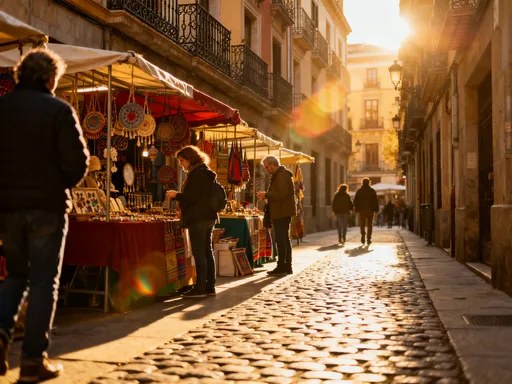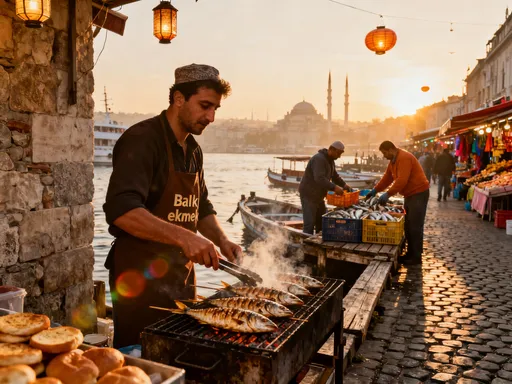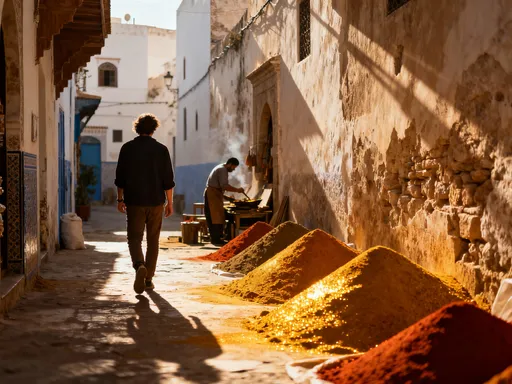
Walking through the winding alleys of Tangier’s markets feels like stepping into a living mosaic—spices explode in color, artisans hammer copper with rhythm, and the air hums with barter and laughter. I never expected shopping here to be so immersive, so alive. It’s not just about buying; it’s about connecting, discovering, feeling the pulse of a city shaped by continents. This is retail transformed into ritual. In Tangier, every alley holds a whisper of history, every vendor a storyteller, and every purchase a thread woven into the fabric of cultural exchange. To wander the souks is to journey through time, taste, sound, and soul.
The Soul of Tangier: Why Its Markets Captivate
Tangier is more than a city—it is a crossroads where continents converge. Nestled between the Atlantic Ocean and the Mediterranean Sea, this vibrant port has long served as a meeting point for Africa, Europe, and the Arab world. Its medina, a UNESCO-recognized historic quarter, breathes with centuries of layered influences: Berber traditions, Andalusian elegance, French colonial architecture, and Islamic artistry. This rich fusion is most vividly expressed in its markets, where culture is not displayed behind glass but lived in motion. The souks are not merely places to shop; they are dynamic stages where daily life unfolds in full sensory detail.
From the moment one steps beneath the arched gateway of the medina, the atmosphere shifts. The pace slows, yet the energy rises. The scent of cumin and cedarwood drifts from open stalls. Calligraphic signs hang above doorways, and hand-painted tiles frame narrow passageways. Vendors call out in Arabic, French, and sometimes a few welcoming words in English. Children dart between baskets of figs and bolts of silk. The experience is immersive, not passive. Visitors don’t just observe—they are gently drawn into the rhythm of the place, becoming part of the scene rather than mere spectators.
What makes Tangier’s markets truly captivating is their authenticity. Unlike commercialized tourist bazaars found elsewhere, these souks remain deeply embedded in local life. Residents come here to buy bread, repair sandals, and commission custom textiles. The market is not a performance for travelers; it is a living economy, a social network, and a cultural heartbeat. For the visitor, this means an opportunity to engage with Morocco not as a postcard image, but as a breathing, evolving reality. Shopping here becomes a form of dialogue—an exchange not only of goods but of glances, greetings, and shared moments.
Moreover, the design of the medina encourages discovery. Its labyrinthine alleys resist straight paths, inviting wanderers to lose themselves intentionally. There are no maps, few signs, and little logic to the layout—yet this disorientation is part of the charm. Each turn reveals something unexpected: a hidden courtyard, a fragrant tea stall, a craftsman shaping wood by hand. This sense of serendipity transforms a simple errand into an adventure. In a world increasingly dominated by efficiency and predictability, Tangier’s souks offer a rare gift—the joy of getting lost and finding something real.
Grand Socco to Petit Socco: Navigating the Market’s Heart
The journey through Tangier’s medina typically begins at the Grand Socco, a wide, sunlit plaza that serves as the gateway between the modern city and the ancient quarter. Once a agricultural field—”socco” meaning marketplace or open ground in Arabic—this circular square is now ringed with cafés, pharmacies, and small shops selling everything from phone chargers to traditional slippers. It’s a transitional space, where the pace of contemporary life gradually gives way to the slower, more deliberate rhythm of the souk.
From the Grand Socco, a narrow street known as Rue des Ferblantiers leads directly into the heart of the market. This path funnels visitors toward the Petit Socco, a smaller, more intimate square that pulses with energy. Once a meeting place for spies and writers during Tangier’s international zone era in the mid-20th century, the Petit Socco today is a hub of social life. Men sip mint tea at outdoor tables, friends gather under striped awnings, and vendors display trays of olives, dates, and freshly squeezed orange juice. It is here that the true density of the souk begins, with alleys branching off in every direction like veins from a central node.
Surrounding the Petit Socco, the market specializes in textiles, leather goods, and jewelry. Shops overflow with handwoven blankets, embroidered kaftans, and stacks of colorful djellabas. Leather merchants display belts, bags, and poufs in rich hues of saffron, indigo, and terracotta. Many of these items are made locally, often in family-run tanneries just outside the medina. Jewelry stalls feature silver Berber pieces—chunky rings, amulet necklaces, and intricate earrings—each carrying symbolic meaning rooted in Amazigh (Berber) heritage.
For first-time visitors, navigating this network can feel overwhelming. There are no street signs, and alleys often loop back on themselves. Yet with a few practical tips, the experience becomes not only manageable but deeply rewarding. It is best to begin exploring in the morning, when temperatures are cooler and vendors are most alert. Wearing comfortable shoes is essential, as the uneven stone paths can be tiring over long periods. Carrying a small bag or tote allows for easy transport of purchases without drawing undue attention.
Equally important is understanding local etiquette. A simple “salam alaikum” (peace be upon you) goes a long way in establishing goodwill. Vendors appreciate politeness and often invite passersby for a cup of tea, not as a sales tactic but as a gesture of hospitality. It is perfectly acceptable to browse without buying, as long as one does so respectfully—lingering too long without engagement may be seen as indecisive. Most importantly, visitors should approach the market with openness rather than urgency. The goal is not to check off a shopping list, but to absorb the atmosphere, one alley at a time.
Hidden Workshops and Artisan Corners
Beyond the main thoroughfares of the souk lie quieter lanes where craftsmanship thrives in near-seclusion. These hidden workshops are the soul of Tangier’s artisan economy, where skills passed down through generations are practiced with quiet dedication. Tucked behind unmarked doors or above narrow staircases, these spaces offer a rare glimpse into the making of objects that define Moroccan material culture.
One of the most mesmerizing sights is the copper workshop. Inside low-ceilinged rooms, artisans bend over heavy metal sheets, shaping them with mallets and anvils. The rhythmic pounding echoes through the alley, a steady heartbeat of creation. These craftsmen produce everything from teapots and trays to lanterns and decorative bowls. Each piece is hand-hammered, often with intricate geometric patterns inspired by Islamic design. Watching a pot take shape—from flat disc to three-dimensional vessel—is a lesson in patience and precision. Many artisans welcome visitors to observe, and some even allow gentle participation, such as trying a few hammer strikes under guidance.
Woodcarving is another revered tradition. In small ateliers, craftsmen use chisels and gouges to transform blocks of cedar into ornate furniture, doors, and boxes. The scent of fresh wood fills the air, mingling with sawdust that coats every surface. Motifs often include arabesques, floral vines, and calligraphic inscriptions. These carvings are not merely decorative; they carry spiritual significance, with geometric patterns symbolizing the infinite nature of creation. For those interested in bringing home a functional piece of art, a hand-carved mirror frame or jewelry box offers both beauty and cultural depth.
Equally compelling are the workshops where babouches—traditional Moroccan slippers—are made. Crafted from soft leather, often dyed in vivid colors, these slippers are stitched by hand using techniques unchanged for centuries. Some artisans specialize in the iconic yellow slippers once favored by the royal family, while others experiment with modern hues and embellishments. Watching a craftsman cut, shape, and sew each pair reveals the care behind what might otherwise seem a simple item. Purchasing directly from such a workshop ensures authenticity and supports sustainable livelihoods.
These encounters with artisans do more than provide souvenirs—they create connections. A conversation with a potter about his tools, a woodcarver’s explanation of symbolic patterns, or a shoemaker’s pride in his craft transforms a transaction into a shared moment of human understanding. In a world of mass production, these workshops remind us of the value of slow, intentional creation. They are not tourist attractions; they are living traditions, sustained by those who believe in the dignity of their work.
Spice Trails and Aromatic Encounters
No journey through Tangier’s souks is complete without entering the vibrant world of its spice stalls. Clustered in a section near the textile market, these stands are a feast for the senses. Mounds of powdered spices rise like miniature dunes—golden saffron, deep red paprika, earthy cumin, and bright turmeric. Whole spices spill from burlap sacks: star anise, cloves, cinnamon sticks, and black peppercorns. The air is thick with fragrance, a complex blend that shifts with every breath—warm, pungent, floral, and slightly sweet.
Spices in Morocco are more than ingredients; they are medicine, memory, and identity. Vendors often speak knowledgeably about the origins and uses of each blend. Ras el hanout, a signature mix that can contain up to thirty spices, is described with reverence. Some sellers offer samples, inviting visitors to smell or even taste a pinch mixed into honey or yogurt. Others explain how certain spices aid digestion, boost immunity, or are used in traditional remedies. This exchange of knowledge turns a simple purchase into an educational experience.
For travelers, identifying quality is key. Authentic saffron, for instance, should be deep red and release color slowly in water, not instantly like dyed imitations. Cumin should be fragrant and uniform in texture, not dusty or clumped. Vendors who grind spices fresh at the request of the customer are generally more trustworthy than those selling pre-packaged blends. Buying in small quantities ensures freshness, as spices lose potency over time, especially when exposed to light and heat.
Bringing spices home requires some planning. Morocco allows the export of culinary spices for personal use, but it is wise to pack them in sealed, labeled containers to avoid issues at customs. Small tins or zip-lock bags work well. Some travelers choose to purchase spice kits—curated sets with measurements and recipe cards—that make both practical and meaningful gifts. More than just flavor, these spices carry the essence of Moroccan hospitality, where meals are acts of generosity and care.
Beyond their culinary use, spices in Tangier are part of a broader sensory culture. Scented oils, dried herbs, and incense blends are sold alongside cooking spices, used in homes to purify the air and create a welcoming atmosphere. Henna powder, often mixed with essential oils, is available for temporary body art. These aromatic elements reflect a worldview in which beauty is not only seen but smelled, felt, and shared. To engage with the spice stalls is to participate in a culture that values the intangible—the warmth of a shared meal, the comfort of a familiar scent, the memory of a grandmother’s kitchen.
Modern Meets Traditional: Boutique Finds Beyond the Medina
While the medina offers an immersive dive into tradition, Tangier’s creative evolution is best seen in the Ville Nouvelle—the newer part of the city developed during the French protectorate era. Here, tree-lined boulevards, art deco buildings, and quiet plazas provide a striking contrast to the medina’s density. In recent years, this area has become home to a new generation of designers and entrepreneurs who honor Moroccan heritage while reimagining it for contemporary life.
Boutique shops in the Ville Nouvelle offer a curated alternative to the bustling souks. These spaces are calm, well-lit, and thoughtfully arranged, often blending minimalist aesthetics with traditional craftsmanship. One might find a linen dress embroidered with Berber motifs, a ceramic vase glazed in indigo and white, or a notebook bound in goat leather with hand-stitched detailing. These items are not mass-produced; they are limited-run creations made in collaboration with local artisans, ensuring both quality and ethical production.
Several fashion labels have emerged from this scene, led by Moroccan women who seek to preserve cultural identity through modern design. Their collections feature updated versions of traditional garments—lighter kaftans, tailored djellabas, and versatile wraps—made from organic cotton, silk, or recycled materials. These pieces appeal to travelers who want to carry a piece of Morocco home without compromising on style or sustainability. Prices are higher than in the medina, but the investment reflects fair wages, environmental responsibility, and innovative design.
Ceramic studios also thrive in this district. Inspired by the zellige tilework of historic mosques and palaces, artists experiment with form and color, creating plates, lamps, and wall art that bridge past and present. Some studios offer workshops where visitors can try their hand at glazing or hand-painting tiles, adding a personal dimension to their experience. These creative spaces do not reject tradition; they converse with it, asking how ancestral skills can remain relevant in a changing world.
For travelers, visiting these boutiques offers balance. After the intensity of the medina, the Ville Nouvelle provides a space to reflect, to sip coffee in a quiet café, and to appreciate Moroccan artistry in a different light. It demonstrates that culture is not frozen in time, but alive, adapting, and evolving. By supporting these modern creators, visitors contribute to a sustainable future for Moroccan craftsmanship—one that values both heritage and innovation.
The Art of the Bargain: Culture, Not Combat
Haggling is an expected part of the shopping experience in Tangier’s souks, yet it is often misunderstood. To many Western travelers, negotiation feels like a contest to be won. In Morocco, however, it is a social ritual—a dance of politeness, patience, and mutual respect. The goal is not to secure the lowest possible price at all costs, but to reach a fair agreement that leaves both parties satisfied.
Prices in the souks are rarely fixed, especially in the medina. A vendor’s initial quote may be two or three times higher than the final price, particularly if they sense a tourist’s interest. This is not deception; it is an opening move in a familiar exchange. The key is to respond calmly, with a smile, and to begin the conversation. A simple “Ça fait combien?” (How much?) followed by a thoughtful pause sets the tone. If the price seems high, one might say, “C’est un peu cher, vous avez un meilleur prix?” (It’s a bit expensive, do you have a better price?) This approach shows engagement without aggression.
Understanding typical price ranges helps prevent overpayment. For example, a handwoven rug might start at 800 dirhams but settle around 500 after negotiation. A leather bag could begin at 600 dirhams and end at 400. Small items like spices or soaps are less flexible, often priced fairly from the start. Cash is preferred, and having smaller bills makes the process smoother. It is also helpful to know the approximate value of the Moroccan dirham—around 10 dirhams to 1 USD—to avoid confusion.
Equally important is knowing when to walk away. If a price feels unreasonable or the interaction becomes uncomfortable, it is perfectly acceptable to thank the vendor and leave. Often, this prompts a revised offer. But even if no purchase is made, the exchange remains respectful. Vendors appreciate honesty and rarely take disinterest personally. In fact, many remember regular customers and greet them warmly on return visits.
When done well, haggling becomes more than a transaction—it becomes a moment of human connection. Shared laughter, a compliment on craftsmanship, or a brief conversation about family can turn a simple sale into a memorable interaction. It reinforces the idea that shopping in Tangier is not about efficiency, but about relationship. And in supporting local artisans through fair negotiation, travelers contribute to a system where dignity and livelihood go hand in hand.
Carrying Tangier Home: Meaningful Souvenirs and Ethical Choices
The true value of a souvenir lies not in its price, but in its story. In Tangier, the most meaningful purchases are those that reflect authenticity, craftsmanship, and respect for culture. A hand-stitched rug, a pot shaped by a coppersmith’s hands, a bar of olive oil soap made with traditional methods—these are not mere objects, but vessels of memory and meaning.
Travelers are encouraged to seek out items that support local communities. Handmade goods purchased directly from artisans ensure that income stays within the community, preserving traditional skills and encouraging sustainable practices. Conversely, mass-produced imports—often made in factories abroad and sold as “Moroccan”—undermine local economies and dilute cultural authenticity. These items may be cheaper, but they lack soul. A plastic lantern from China, no matter how colorful, cannot carry the same weight as one forged in a Tangier workshop.
Other ethical choices include avoiding products made from endangered materials, such as certain types of wood or animal skins. While leather is widely used and culturally significant, buyers should inquire about sourcing when possible. Natural, plant-based dyes are preferable to synthetic alternatives, both for environmental and health reasons. When purchasing textiles, look for signs of handwork—irregular stitches, slight variations in pattern—that indicate genuine craftsmanship.
Packaging souvenirs thoughtfully ensures they arrive home intact. Rugs and textiles can be rolled and wrapped in cloth. Ceramics should be cushioned with clothing or towels in luggage. Spices and soaps travel well in sealed containers. For fragile or large items, some shops offer shipping services, though this should be arranged with trusted providers.
Ultimately, the most lasting souvenir is not something bought, but something learned. The rhythm of the hammer on copper, the warmth of shared tea, the scent of cumin in the morning air—these impressions linger far longer than any object. By choosing to shop with awareness, travelers honor the culture they have encountered and carry its spirit forward. Each purchase becomes a quiet act of preservation, a way of saying: I saw you, I valued your work, I will remember.
Shopping as a Gateway to Connection
In a world where shopping is often reduced to clicks and carts, Tangier’s souks offer a powerful alternative. Here, commerce is not cold or impersonal, but warm, human, and alive. Every alley, every stall, every conversation invites a deeper kind of engagement—one rooted in presence, curiosity, and respect. To shop in Tangier is not to consume, but to connect.
The souks teach us to slow down, to look closely, to listen. They remind us that behind every object is a person—a maker, a seller, a keeper of tradition. They challenge the notion that value is measured only in price, showing instead that meaning is found in process, in story, in relationship. In choosing to wander with intention, to bargain with kindness, to buy with care, travelers become part of a larger narrative—one of cultural exchange, mutual dignity, and shared humanity.
And so, the journey through Tangier’s markets becomes more than a shopping trip. It becomes a transformation. The spices, the textiles, the handcrafted pots—they are not just things brought home, but symbols of a moment lived fully. They carry the echo of laughter in the Petit Socco, the scent of cedar in a woodcarver’s stall, the pride in an artisan’s eyes. They are proof that travel, at its best, changes us—not by how much we see, but by how deeply we feel. Let Tangier’s souks be not just a destination, but a doorway—to wonder, to connection, to the quiet magic of getting beautifully lost.