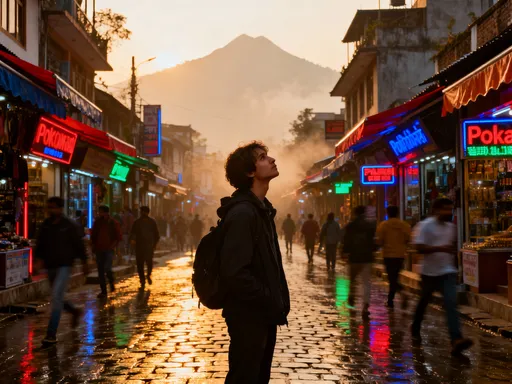
You’ve seen the dreamy photos of Pokhara—lakes, mountains, peace. But behind the postcard views, the commercial areas can be overwhelming. Overpriced shops, crowded streets, and tourist traps hide in plain sight. After spending weeks navigating the city’s busiest zones, I learned what to embrace and what to skip. This isn’t just a travel guide—it’s a real talk about staying smart while soaking in the beauty. From misleading touts to authentic local gems, Pokhara offers both challenges and rewards. Understanding its rhythm, economy, and cultural heartbeat allows travelers to enjoy the scenery without losing their way—or their wallets. This is what no brochure tells you: how to move through Pokhara’s tourist zones with awareness, respect, and confidence.
The Allure and Overload of Lakeside
Lakeside is the vibrant core of Pokhara’s tourism, stretching along the western edge of Phewa Lake with a constant hum of activity. Cafes spill onto walkways, guesthouses advertise rooftop views, and adventure tour desks line every block. It’s undeniably convenient—most travelers begin and end their journeys here, and for good reason. Access to boat rentals, restaurants, pharmacies, and trekking agencies is immediate. Yet this convenience comes at a cost: prices are often double or triple what you’d pay in local markets, and the atmosphere, while scenic, can feel more like a tourist bubble than an authentic Nepali experience.
What makes Lakeside worth navigating is its role as a gateway to reliable services. Reputable trekking agencies with proper permits and experienced guides are clustered in this zone, particularly around the central strip near the Old Bus Park. These agencies provide detailed itineraries, safety briefings, and equipment checks—essential for anyone planning to hike in the Annapurna region. It’s wise to research ahead and visit multiple offices to compare prices and professionalism. Look for certifications from the Trekking Agencies’ Association of Nepal (TAAN), clear contracts, and staff who speak fluent English or your native language. Avoid agencies that pressure you into last-minute bookings or offer suspiciously low prices with vague inclusions.
When it comes to dining, Lakeside offers a mix of international and Nepali cuisine. While many restaurants cater to Western palates with pizza and pancakes, a few hidden gems serve authentic local dishes like dal bhat, momo, and gundruk. These meals are not only more flavorful but also significantly cheaper. Seek out eateries tucked away from the main road, where you’ll find Nepali families dining and menus written in both Nepali and English. One such spot, near the northern end of Lakeside, serves homemade aloo tama and fresh goat curry—simple, hearty, and cooked with care. Avoid rooftop bars that charge $8 for lukewarm coffee just for a partial mountain view; the real beauty is best appreciated from the lake itself or nearby vantage points like World Peace Pagoda.
To make the most of Lakeside without overpaying, visit early in the morning or late in the evening when crowds thin out. This is when the lakeside path becomes peaceful, perfect for a quiet walk or a paddleboat ride. Bargaining is expected in shops selling souvenirs, clothing, and handicrafts. A polite but firm approach works best—start at 40% of the quoted price and negotiate from there. Also, consider stepping just off the main drag. A five-minute walk into side streets reveals quieter guesthouses, local laundries, and small bakeries where prices reflect local rates. These areas offer the same mountain air and lake views but with fewer crowds and more authenticity.
Walking Down Prithvi Chowk: Chaos or Charm?
Prithvi Chowk stands in stark contrast to the curated ambiance of Lakeside. A bustling intersection in the heart of Pokhara’s local economy, it’s a place of noise, motion, and raw urban energy. Buses honk, motorbikes weave through traffic, and vendors shout over one another. Guidebooks often overlook it, favoring scenic spots, but for travelers who want to understand daily Nepali life, Prithvi Chowk is essential. It functions as a major transport hub, connecting city buses, shared jeeps, and microvans to villages across Kaski District. It’s also home to pharmacies, SIM card kiosks, hardware stores, and wholesale markets—resources that are both practical and revealing of local needs.
One of the most valuable aspects of Prithvi Chowk is its affordability. SIM cards from NTC or Ncell can be activated here for a fraction of the cost charged in tourist zones. Local pharmacies stock genuine generic medicines at transparent prices—far more reliable than the overpriced, sometimes expired products sold in Lakeside tourist shops. For travelers needing basic supplies—from toiletries to trekking socks—small department stores in the area offer better quality and pricing than souvenir stalls. The key is knowing where to look. Staff at established shops are usually helpful, especially if you speak slowly and use simple English. Many younger workers understand basic phrases, and a smile goes a long way in bridging communication gaps.
However, Prithvi Chowk demands caution. Pickpocketing is a real concern in crowded areas, particularly around bus boarding points. Keep your bag in front of you, avoid flashing phones or wallets, and stay aware of your surroundings. Bus schedules are often unclear, and departure times can change without notice. Touts may approach with promises of “direct” or “comfortable” rides, but these often lead to overpriced private jeeps or misleading routes. The safest approach is to go directly to the official bus park nearby, ask locals for the correct gate, and confirm the destination written on the bus windshield. Most city buses cost less than $1 and run frequently, making them an efficient way to travel if you’re patient and observant.
Despite its chaos, Prithvi Chowk has charm. It’s where Nepali life unfolds without performance for tourists. You’ll see schoolchildren in uniforms, farmers selling fresh vegetables, and shopkeepers sipping tea between customers. There’s a rhythm to the place—a blend of urgency and routine—that feels genuine. For travelers willing to slow down and observe, it offers a deeper understanding of Pokhara beyond the postcard. With careful navigation, Prithvi Chowk becomes not a place to endure, but one to appreciate for its authenticity and utility.
The Truth About Tourist Markets and Souvenir Shops
Shopping in Pokhara’s commercial areas can be both rewarding and frustrating. Rows of stalls and boutiques offer everything from hand-knitted pashminas to brass singing bowls, often marketed as traditional Himalayan crafts. But behind the attractive displays, many items are mass-produced imports from India or China, repackaged as local artistry. This misrepresentation not only deceives tourists but also undermines genuine artisans who rely on fair trade for their livelihoods. Recognizing the difference between authentic crafts and tourist-made imitations is crucial for ethical travel.
One common scam involves so-called “pure cashmere” shawls sold at seemingly low prices. These are often synthetic blends that lose color after one wash. Vendors may demonstrate “dye fastness” by rubbing the fabric with a wet cloth—yet this test is easily faked with treated fabric. True pashmina, made from the fine undercoat of Himalayan goats, is soft, warm, and expensive. It’s typically sold through cooperatives or certified stores that provide information about sourcing and production. The Pashmina Association of Nepal regulates quality standards, and shops displaying their certification are more trustworthy. When in doubt, feel the fabric: real pashmina is lightweight yet insulating, with a slightly uneven texture.
Another misleading category is “Tibetan” jewelry and trinkets. Many of these items are not from Tibet at all but are produced in factories and sold with romanticized backstories. Authentic Tibetan crafts are rare and usually carried by refugee-run cooperatives in specific cultural centers. Supporting these organizations ensures that income goes directly to displaced artisans. Look for shops affiliated with NGOs or those that openly discuss the origin of their products. Some fair-trade stores in Lakeside and near the Pokhara Museum provide detailed labels, including the name of the artisan and community involved in making the item.
For travelers who want to shop responsibly, a few guidelines can help. First, ask questions. Inquire where an item was made, who made it, and how much the artisan was paid. Reputable sellers are happy to share this information. Second, avoid impulse buys in high-traffic areas. The busiest markets often have the least authentic goods. Instead, visit community-run craft centers or attend local fairs where artisans sell directly. Third, consider the environmental impact. Many souvenirs are made from unsustainable materials like real coral, ivory (often fake but still problematic), or endangered wood species. Opt for items made from recycled materials, wool, or clay. Ethical shopping isn’t just about avoiding scams—it’s about making choices that support dignity, sustainability, and cultural preservation.
Café Culture: Authentic Vibes vs. Tourist Bait
Cafés are a defining feature of Pokhara’s tourist landscape, but not all are created equal. Some are cozy, family-run spaces serving homemade apple pie and locally roasted coffee, while others are designed purely for Instagram—decorated with fake prayer flags and charging $6 for a flat white with no flavor. The difference lies in intention: is the café built for community, or for clicks? Discerning between the two enhances not only your coffee but your entire travel experience.
Genuine local favorites often lack flashy signage. They might be on the second floor of a building, have mismatched chairs, and play soft Nepali music. Their menus feature seasonal ingredients—fresh strawberries in spring, homemade yogurt, and organic honey. Some of these cafés partner with nearby farms or support reforestation projects, reinvesting profits into the community. One such place, located near the northern edge of Lakeside, grows its own herbs and donates a portion of daily earnings to a local school. The owner greets regulars by name and offers tea to travelers who look lost. These small acts of kindness reflect a deeper commitment to hospitality, not just profit.
In contrast, tourist-targeted cafés rely on aesthetics over substance. They boast “best mountain views” despite being surrounded by buildings, use stock photos for menus, and employ staff trained to engage foreigners with rehearsed friendliness. Some even project fake images of Annapurna on blank walls—a jarring disconnect from the real landscape just outside. While not illegal, these practices commodify culture and create a distorted experience. They also contribute to rising rents, pushing out smaller, authentic businesses. By choosing where to spend your money, you influence the kind of Pokhara that thrives.
To find the real cafés, follow the locals. If you see Nepali university students or young professionals enjoying coffee, it’s likely a trustworthy spot. Check online reviews that mention “homemade,” “quiet,” or “friendly owner.” Avoid places with long lines of tourists taking selfies. And don’t underestimate street-side tea stalls—known as chiya pasal—where a cup of masala tea costs less than $0.30 and offers a genuine slice of daily life. These small moments of connection often become the most memorable parts of a journey.
Transport Traps and Touts Around Bus Parks
The bus parks near Ratna Chowk and the Tourist Bus Park are critical transit points for travelers heading to destinations like Jomsom, Mustang, and Manang. Yet they are also hotspots for misinformation and exploitation. Touts in bright vests roam the area, offering “exclusive” jeep rides or “last seat available” deals. While some drivers are legitimate, many operate without proper permits, insurance, or safety equipment. The promise of a “fast, direct ride” often turns into a crowded, uncomfortable journey on dangerous mountain roads.
One common tactic is the fake schedule. A tout may claim the public bus is full or delayed, then steer you toward a private jeep with double or triple the fare. In reality, the public bus may leave on time and cost a fraction. To avoid this, arrive early, check the official departure board, and confirm with multiple sources. Local passengers are often the best informants—if you see a group boarding a bus, it’s likely legitimate. Government-run and registered private buses follow fixed routes and prices, making them safer and more reliable.
For longer treks, booking through a registered agency is the wisest choice. These agencies coordinate with verified drivers, provide passenger lists, and ensure vehicles meet safety standards. They also offer flexibility in case of weather delays or cancellations. Avoid last-minute deals from individuals, no matter how friendly or convincing. A responsible operator will provide a written receipt, explain the route, and allow time for acclimatization. If a deal seems too good to be true, it probably is.
Public transportation, while less comfortable, is remarkably efficient. Microbuses and shared jeeps depart frequently and connect even remote villages. They’re also a window into local life—traveling alongside farmers, students, and shopkeepers. Bring water, snacks, and a light blanket, as rides can be long and bumpy. By choosing ethical transport, you not only save money but also reduce environmental impact and support community-based mobility.
When the Scenery Sells the Scam
The breathtaking views of Annapurna and Phewa Lake have a psychological effect: they make travelers feel safe, open, and trusting. Scammers exploit this emotional state, knowing that beauty can lower vigilance. A friendly stranger offering a “private boat ride” may lead you to a remote dock with no actual service, then demand an inflated fee. Others hand out “free” maps that mark only shops that pay commissions, steering you away from authentic experiences.
Another tactic involves unsolicited help. A man might offer to carry your bag to a hotel, then demand an excessive tip. Or a guide may appear at a viewpoint, giving a fluent commentary before insisting on payment far above standard rates. These interactions often begin with genuine kindness but escalate into pressure. The key is to set boundaries early. A polite but firm “no, thank you” is usually effective. If someone persists, walk away or seek help from nearby shopkeepers or police.
Red flags include over-friendliness from strangers, especially if they steer you toward specific businesses. Be cautious of anyone who claims to be “helping” without being asked. While many Nepalis are naturally hospitable, opportunists mimic this warmth for profit. Stay alert, especially in high-traffic tourist zones like Lakeside and the lakeshore path. Keep your belongings secure and avoid isolated areas at night.
This doesn’t mean distrust everyone. The goal is awareness, not fear. Most locals are honest and welcoming. By staying observant, you protect your experience without closing yourself to connection. The beauty of Pokhara is real—so are the people. Let the views inspire wonder, but let wisdom guide your choices.
Finding Balance: Enjoying Commerce Without Losing the Soul
It’s easy to view commercial areas as enemies of authentic travel, but that’s an oversimplification. Markets, cafes, and shops are part of Pokhara’s economy and culture. They provide income for thousands of families, from guesthouse owners to street vendors. The issue isn’t commerce itself, but how it’s practiced. Mindful engagement—choosing ethical businesses, respecting local norms, and traveling off-season—can transform tourism from exploitation to empowerment.
One way to achieve balance is by blending tourist zones with nearby villages. A short walk from Lakeside leads to Baidam, where families run small restaurants and craft shops with no markup for foreigners. Further out, villages like Sarangkot and Lekhnath offer homestays, organic farms, and cultural exchanges. These experiences are often more meaningful than crowded viewpoints. They also distribute tourism income more evenly, reducing pressure on central areas.
Supporting businesses that reinvest in the community makes a tangible difference. Some guesthouses fund clean water projects, while others train women in hospitality skills. Look for eco-certifications, community partnerships, or visible social initiatives. Even small choices—buying a snack from a street vendor instead of a chain café—contribute to a more equitable economy.
Traveling in the shoulder seasons—March to April or September to October—also helps. You’ll avoid peak crowds, enjoy lower prices, and experience a more relaxed pace. Hotels and restaurants are less overwhelmed, allowing for better service and genuine interaction. Off-season travel supports year-round employment, preventing the boom-and-bust cycle that harms local stability.
The magic of Pokhara isn’t in avoiding tourism, but in reshaping it. By choosing wisely, you honor the place and its people. You don’t have to reject convenience to be responsible. You simply need to see beyond the surface—to recognize that every purchase, every interaction, carries weight. Travel with curiosity, but also with care.
Pokhara’s commercial zones don’t have to ruin your trip—they can enhance it, if you know how to move through them. Awareness isn’t cynicism; it’s empowerment. By choosing wisely, you protect your experience and support sustainable tourism. The real magic of Pokhara isn’t just in the views—it’s in traveling with eyes wide open.