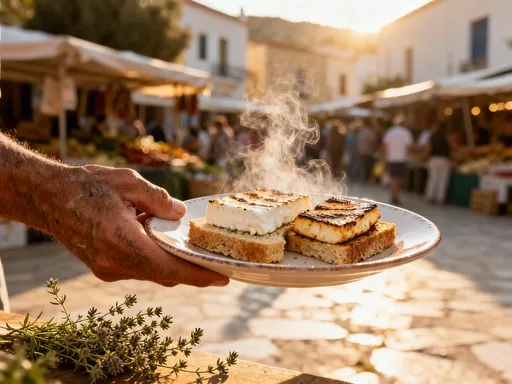
You know that feeling when you bite into something so fresh and flavorful, it rewrites your travel memories? That’s exactly what Crete did to me. Beyond its sun-kissed beaches and ancient ruins, the real magic lies in sizzling pans, village markets, and family-run tavernas. I came for the sights, but stayed for the dakos, the snails, and the honey-drizzled kalitsounia. This is not just eating—it’s tasting history, one unforgettable bite at a time. In a world where travel often means checking off landmarks, Crete invites you to slow down and savor. Its cuisine is not crafted for Instagram aesthetics but for nourishment, celebration, and connection. Every dish carries generations of wisdom, shaped by mountain winds, sea breezes, and sun-drenched soil. To eat in Crete is to understand its soul.
Why Crete Should Be on Every Food Lover’s Radar
Crete stands as one of the Mediterranean’s most enduring culinary treasures, a land where food is deeply rooted in nature and tradition. As the largest of Greece’s islands, it spans diverse landscapes—from rugged highlands to coastal plains—each contributing unique ingredients to its rich gastronomy. The island’s long history, beginning with the Minoan civilization over 4,000 years ago, has layered its cuisine with influences from Byzantine, Venetian, Ottoman, and Arab cultures, yet always anchored in local self-sufficiency. Unlike mass-touristed destinations where authenticity fades, Crete has preserved its food heritage through small-scale farming, seasonal eating, and an unwavering respect for ancestral knowledge.
The island’s climate plays a crucial role in shaping its exceptional flavors. With over 300 days of sunshine annually and mineral-rich soil, Crete produces some of the most aromatic herbs, fruits, and vegetables in the region. Wild thyme, oregano, and dittany grow abundantly in the hills, infusing honey and meats with a distinct fragrance. Olive trees, many centuries old, yield extra virgin oil so pure it’s often consumed by the spoonful for health. Free-range goats and sheep graze on natural pastures, producing milk that transforms into creamy cheeses like mizithra and graviera. These ingredients are not imported luxuries—they are everyday staples, harvested locally and prepared simply to let their natural taste shine.
Equally important is the Cretan approach to mealtime. Eating here is never a hurried act. Meals unfold slowly, often lasting hours, with multiple courses shared among family and friends. There is no concept of “fast food” in the modern sense; instead, slow food is a way of life. Recipes are passed down orally from grandmother to granddaughter, with slight variations from village to village. In rural areas, you’ll find kitchens without written recipes—cooks rely on instinct, memory, and the rhythm of the seasons. This deep cultural continuity ensures that every bite tells a story, connecting the present to centuries of agricultural wisdom and communal values.
The Must-Try Dishes That Define Cretan Flavor
To understand Crete through its cuisine, one must begin with its most iconic dishes—simple, hearty, and deeply satisfying. Dakos, often called the Cretan bruschetta, is a perfect introduction. A barley rusk is softened with water or olive oil, then topped with grated tomato, crumbled feta or mizithra cheese, and a generous drizzle of local olive oil. Sometimes capers or olives are added for a salty tang. It’s a dish born of frugality, yet elevated by quality ingredients into something extraordinary. Each bite delivers a burst of freshness, a testament to how much flavor can come from just a few well-chosen components.
Another cornerstone of Cretan cooking is stifado, a slow-cooked stew typically made with rabbit or beef, onions, red wine, and a blend of spices including cinnamon and cloves. The dish reflects the island’s historical ties to the Eastern Mediterranean, where sweet and savory flavors often coexist. Stifado simmers for hours, allowing the meat to become tender and the sauce to thicken into a rich, aromatic glaze. It’s commonly served during cooler months and at family gatherings, symbolizing warmth, patience, and care. Equally comforting is gemista—vegetables like tomatoes, peppers, or zucchini stuffed with rice, herbs, and sometimes ground meat, then baked until golden. These dishes are not flashy, but they speak to the heart of Cretan hospitality: abundance born of simplicity.
For the adventurous eater, few experiences match trying chochloi, or snails cooked with rosemary, tomato, and vinegar. Harvested after the first autumn rains, snails are a seasonal delicacy, especially in mountain villages like Anogia. Their earthy flavor absorbs the fragrant herbs perfectly, creating a dish that feels both rustic and refined. Equally unique is hloropita, a pie made with wild greens such as stamnagathi and vlita, mixed with feta and encased in flaky phyllo pastry. These greens grow wild and are rich in antioxidants, making the pie not only delicious but also part of the famed Cretan diet linked to longevity. Fried mizithra cheese, served warm with honey or sugar, offers a simple yet indulgent treat—crispy on the outside, molten within, evoking the pleasures of farmhouse cooking.
Where the Locals Eat: Beyond Tourist-Front Tavernas
While seaside towns like Chania and Rethymno boast charming restaurants with sea views, the most authentic Cretan meals are often found off the beaten path. In villages tucked into the White Mountains or hidden along the southern coast, family-run eateries operate without websites or social media presence. These places may have no menu in English, or none at all—dishes are announced daily based on what’s fresh. The atmosphere is warm and unpretentious, with owners greeting guests like relatives and children playing near the kitchen door. These are not performances for tourists; they are real expressions of daily life, where food is prepared with pride and served with generosity.
One way to identify such places is by observing the clientele. If you see mostly older Cretans dining late into the evening, sharing bottles of house-made wine and laughing over plates of stew, you’ve likely found a genuine spot. Other signs include handwritten chalkboard menus, refrigerators filled with homemade yogurt and cheese, and the absence of plastic tablecloths. Many of these tavernas don’t accept credit cards, relying instead on cash—a small inconvenience that ensures you’re supporting local families directly. Some even grow their own vegetables or raise their own animals, ensuring complete traceability from farm to fork.
Weekly farmers’ markets are another window into authentic Cretan food culture. Held in town squares every few days across the island, these bustling gatherings bring together small producers selling everything from thyme honey and herbal teas to hand-rolled dolmades and freshly pressed olive oil. In Rethymno’s market, vendors offer samples of dakos toppings with a smile, eager to explain how their tomatoes were grown without irrigation. In Chania’s municipal market, built in a historic Ottoman-era building, you can watch fishermen unload the morning’s catch while bakers sell warm bougatsa from glass counters. These markets are not curated for tourists—they are vital community hubs where food, tradition, and trust intersect.
Street Food Adventures: Quick Bites With Big Personality
For travelers seeking convenience without compromise, Crete offers a vibrant street food scene that captures the essence of its cuisine in portable form. Unlike fast food chains that homogenize flavor, Cretan street eats are bold, regional, and deeply satisfying. One of the most popular options is souvlaki—a skewer of grilled pork or chicken wrapped in pita with tomato, onion, and tzatziki. Best enjoyed from a roadside stand in Heraklion’s old town, it’s a meal that fuels both body and spirit. The meat is marinated in olive oil and herbs, grilled over charcoal, and served with a side of crisp fries tucked inside the bread for extra heartiness.
Another favorite is the grilled halloumi sandwich, a simple yet irresistible combination of the island’s signature cheese, lightly charred and served in a warm roll with greens and a drizzle of honey or lemon. Halloumi holds its shape when grilled, offering a satisfying chew and a salty-sweet contrast that defines much of Cretan flavor. You’ll find these sandwiches at small bakeries or beachside grills, often accompanied by a glass of cold orange juice pressed that morning. For something sweet, warm bougatsa is a must—flaky layers of phyllo wrapped around creamy custard, dusted with powdered sugar and cinnamon. Sold at family-owned patisseries, it’s the perfect morning treat with a Greek coffee.
The best street food in Crete isn’t found in glossy food courts but in unassuming places: a wooden cart near a bus stop in Agios Nikolaos, a grill set up beside a hiking trail in Samaria Gorge, or a bakery window glowing at dawn in Sitia. These spots thrive on reputation, not advertising. Prices remain modest—most street meals cost between €3 and €6—making it easy to sample widely without straining your budget. And because ingredients are local and prepared daily, there’s little waste and maximum freshness. Eating this way isn’t just convenient; it’s a direct link to how Cretans themselves eat when on the move.
From Farm to Fork: Experiences That Deepen the Taste
To truly appreciate Cretan cuisine, one should go beyond the plate and visit the source. Across the island, small-scale producers welcome visitors into their orchards, apiaries, and dairies, offering hands-on experiences that transform meals into meaningful memories. Olive oil tastings, for example, are more than culinary demonstrations—they are lessons in terroir and tradition. At family-run mills in the hills above Voukolies or near Spili, guides explain how different olive varieties and harvest times affect flavor. Visitors taste oils ranging from peppery and robust to smooth and buttery, learning to detect notes of artichoke, green apple, or fresh-cut grass. These sessions often end with a simple meal of bread dipped in oil, served with local cheese and olives—a humbling reminder of how much luxury exists in simplicity.
Herb foraging walks offer another immersive experience, led by knowledgeable locals who know which wild plants are safe, nutritious, and flavorful. In the foothills of Mount Ida, participants learn to identify dittany, a medicinal herb used since antiquity, and stamnagathi, a bitter green prized in salads and pies. Guides share stories of how their grandparents used these plants for healing and cooking, blending natural history with personal memory. The walk often concludes with a shared meal featuring the gathered greens, turning the experience into something deeply communal. Similarly, visits to goat farms in mountain villages like Omalos provide insight into cheese-making traditions. Watching fresh milk transformed into mizithra or graviera, then tasting the results with honey and walnuts, creates a powerful connection between landscape and flavor.
These agritourism activities are typically offered in small groups, ensuring a personal and respectful experience. They support rural economies while preserving endangered practices. Many tours include transportation from nearby towns and are suitable for travelers of all ages. By participating, visitors don’t just consume Cretan culture—they contribute to its survival. More than that, they gain a deeper understanding of why Cretan food tastes the way it does: because it is inseparable from the land, the climate, and the people who tend it with care and pride.
Practical Tips for Maximizing Your Food Journey
To make the most of your culinary exploration in Crete, a few practical considerations can enhance both enjoyment and authenticity. First, timing matters. Local markets are best visited in the morning, when produce is at its freshest and vendors are most engaged. Many close by early afternoon, and some towns observe a midday break, especially in summer, when families retreat indoors during the hottest hours. Dining, too, follows a later rhythm—many tavernas don’t open until 7:30 or 8 PM, and peak service begins at 9 PM. Embracing this schedule allows you to eat when locals do, increasing your chances of experiencing genuine hospitality.
When it comes to etiquette, a few gestures go a long way. Sharing dishes is common, so don’t hesitate to order several items and pass them around. If offered a shot of rakı, the anise-flavored spirit often served after meals, accept it with a smile and say “yamas”—the Greek toast for good health. Even a basic effort to speak Greek, such as saying “efharisto” (thank you), is warmly received. Tipping is appreciated but not excessive—leaving small change or rounding up the bill is customary. Water is often free, especially in villages, where public fountains dispense fresh mountain water safe to drink. Bringing a reusable bottle is both eco-friendly and practical.
Budget-wise, eating well in Crete doesn’t require luxury spending. Many of the most memorable meals—like a dakos from a village kiosk or a kalitsounia from a roadside oven—cost less than €5. Even full dinners at family tavernas rarely exceed €20 per person, especially if you skip imported wines. Opting for house-made wine or local raki not only saves money but supports small producers. And because portion sizes are generous, sharing is both economical and traditional. With mindful choices, a week of rich, authentic eating can be remarkably affordable.
How Food Transforms a Trip Into a True Encounter
In the end, what lingers from a journey to Crete is not just the sight of ancient Knossos or the blue of Elafonissi Beach, but the taste of warm bread dipped in olive oil, the sound of laughter around a shared table, and the feeling of being welcomed as part of something timeless. Food becomes the bridge between visitor and local, between curiosity and connection. It opens doors that sightseeing alone cannot—inviting conversations, gestures of kindness, and moments of unexpected intimacy. A grandmother might hand you a wrapped kalitsounia “for the road,” or a baker might insist you try a new batch of bougatsa, eyes bright with pride.
Cretan cuisine embodies values that resonate far beyond the island: simplicity, generosity, resilience. It teaches that richness is not measured in luxury but in care—care for the land, for tradition, for the people gathered around the table. In a world increasingly dominated by speed and convenience, Crete offers a different rhythm, one where meals are not interruptions but the heart of life. To eat here is to participate in a culture that honors balance, seasonality, and human connection.
So to every traveler considering Crete, look beyond the guidebook highlights. Seek out the village market, the unmarked taverna, the roadside grill where locals line up at sunset. Let your journey be guided not just by landmarks, but by flavor. Ask questions, accept invitations, and savor each bite as an act of discovery. Because in Crete, every meal is more than sustenance—it’s an invitation to belong, even if just for a moment. And that, perhaps, is the most unforgettable taste of all.