Nestled in the heart of the Pacific, Palau isn’t just an island destination—it’s a living, breathing masterpiece of nature. From untouched jungles to coral gardens beneath turquoise waves, every corner pulses with raw beauty. I went looking for adventure, but found something deeper: a place where nature still rules, and time slows to the rhythm of the tides. This is not just travel—this is transformation. In an era when so many destinations feel shaped by convenience and commercialism, Palau stands apart as a sanctuary where wildness still thrives. It’s a place that doesn’t just welcome visitors—it quietly transforms them.
First Glimpse of the Wild: Arrival in Palau
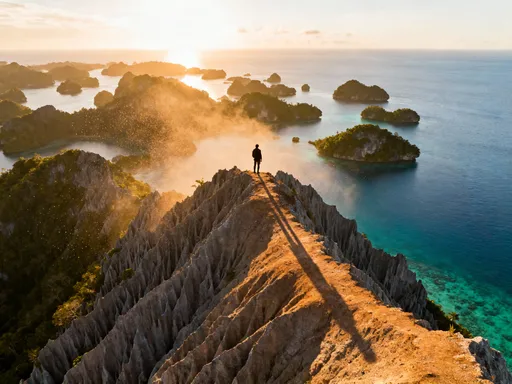
Stepping off the plane in Koror, the largest town in Palau, is like entering a dream wrapped in humidity and green light. The air is thick with the scent of frangipani, salt, and damp earth—a sensory welcome that signals you’ve arrived somewhere profoundly different. As the island unfolds beyond the runway, volcanic peaks rise like ancient sentinels, cloaked in dense rainforest and veiled in mist. Emerald ridges cascade into a lagoon so vividly blue it seems unreal, dotted with hundreds of mushroom-shaped limestone islands that appear to float on the surface. This is the first glimpse of the Rock Islands, a UNESCO World Heritage site and the soul of Palau’s wild allure.
What sets Palau apart from other Pacific island nations is not just its breathtaking scenery, but its deliberate commitment to preservation. Isolated by geography and intentional policy, Palau has resisted the pressures of mass tourism that have reshaped so many tropical destinations. With a population of fewer than 20,000 and strict visitor guidelines, the islands maintain a sense of seclusion and authenticity. Travelers aren’t just tourists here—they are guests in a fragile ecosystem, reminded at every turn that they are in a place where nature calls the shots.
The airport itself greets every visitor with a symbolic gesture: the Palau Pledge, a conservation oath stamped into passports, asking travelers to act as stewards of the environment during their stay. This small but powerful ritual sets the tone for the journey ahead. It’s not just about seeing beautiful places—it’s about respecting them, protecting them, and leaving no trace behind. From the moment you arrive, Palau asks you to slow down, pay attention, and tread lightly.
Beyond the Postcard: Exploring the Rock Islands’ Hidden Corners
The Rock Islands are the crown jewel of Palau, a scattered archipelago of over 250 limestone formations rising abruptly from the sea. Their surfaces are weathered into dramatic shapes—some smooth and rounded, others jagged and pitted—each one cloaked in lush vegetation that spills over the edges into the water below. These islands are not just scenic; they are geological wonders formed over millennia by tectonic shifts, coral growth, and erosion. Their interiors often conceal hidden lagoons, accessible only through narrow, water-carved tunnels known as “chocolate holes,” named for the rich brown tint of the tannin-stained water.
Kayaking through these labyrinthine channels offers an intimate way to experience the islands’ secrets. Paddling silently through a narrow passage, with walls of green rising on either side and sunlight filtering through in golden shafts, feels like moving through a living cathedral. Emerging into a secluded lagoon—ringed by white sand and surrounded by jungle—you may find yourself completely alone, with only the sound of water lapping against the hull. These are the moments that define Palau: not the crowded viewpoints, but the quiet discoveries made by those willing to explore with patience and respect.
One of the most iconic experiences in the Rock Islands is swimming in Jellyfish Lake, a marine lake filled with millions of harmless golden jellyfish that pulse gently through the water. While this site has drawn international attention, access is now carefully managed to protect the delicate ecosystem. Visitors must follow strict guidelines, including no sunscreen or chemical lotions, and tours are limited in size and frequency. This balance between accessibility and preservation is a hallmark of Palau’s approach to tourism—offering wonder without exploitation.
For those seeking untouched beauty without the crowds, guided eco-tours provide a responsible way to navigate the islands. Local operators know the permitted routes, tidal patterns, and sensitive areas that must be avoided. They also share stories of the islands’ cultural significance—many of which are considered sacred by Palauan communities. By traveling with knowledgeable guides, visitors not only enhance their experience but also support sustainable livelihoods and conservation efforts.
Underwater Wonder: Snorkeling and Diving in Pristine Reefs
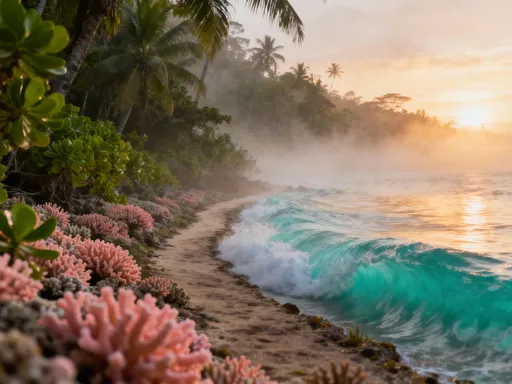
If the surface of Palau is enchanting, what lies beneath is nothing short of miraculous. The waters surrounding the islands are home to some of the most biodiverse marine ecosystems on the planet. Snorkeling off a quiet beach or diving at world-renowned sites like Blue Corner or German Channel reveals a realm of vibrant color, movement, and life. Schools of angelfish, parrotfish, and butterflyfish swirl around coral heads shaped like brains, fans, and antlers. Reef sharks glide effortlessly through the blue, while green sea turtles munch on seagrass or rest on the sandy bottom.
Palau’s coral reefs are not just beautiful—they are resilient. After suffering bleaching events in the past, many reefs have shown remarkable recovery, a testament to the effectiveness of the nation’s marine protection policies. In 2009, Palau established the world’s first shark sanctuary, banning all commercial shark fishing within its waters. This bold move has allowed shark populations to rebound, restoring balance to the marine food web and reinforcing the health of the entire ecosystem.
Diving in Palau is an experience that combines thrill with reverence. At Blue Corner, a strong current sweeps along a steep reef wall, bringing with it a parade of pelagic life—tuna, barracuda, and even manta rays. Divers anchor themselves to the reef and watch in awe as the ocean’s predators and travelers pass by. German Channel, once a dredged passage for WWII-era ships, is now famous for its manta ray cleaning stations, where these graceful giants return regularly to have parasites removed by smaller fish. Observing a manta up close, its wings spanning over 12 feet, is a humbling reminder of the ocean’s grandeur.
Responsible diving is essential in such a sensitive environment. Palau’s dive operators are trained to uphold strict environmental standards. They emphasize buoyancy control to prevent coral contact, enforce no-touch policies, and educate divers about the importance of preserving marine life. Many operators also participate in reef monitoring and cleanup initiatives, turning recreation into active stewardship. For visitors, choosing a certified eco-friendly operator is not just a recommendation—it’s a responsibility.
Jungle Paths and Ancient Trails: Hiking Palau’s Interior
While much of Palau’s fame lies beneath the waves, its interior offers equally rewarding adventures. The main island of Babeldaob, the largest in the archipelago, is a vast expanse of rainforest, mangroves, and rolling hills. Here, hiking trails wind through dense vegetation, leading to panoramic viewpoints, freshwater streams, and historic sites. One of the most popular routes is the climb to the summit of Mt. Ngerchelchuus, Palau’s highest point at 242 meters. The trail is modest in elevation but rich in experience—each step reveals new layers of green, the air thick with the scent of ferns and wet bark.
As you ascend, the sounds of the forest envelop you: the distant call of the Micronesian megapode, the rustle of geckos in the undergrowth, the occasional splash of a mudskipper in a nearby stream. Reaching the top rewards you with a sweeping view of the island’s interior—patchwork forests, meandering rivers, and glimpses of the ocean beyond. It’s a moment of stillness and clarity, a reminder that Palau’s beauty is not just coastal but deeply rooted in its land.
Other trails lead to culturally significant sites, such as the stone monoliths of Badrulchau, believed to be the remains of an ancient settlement. These petroglyph-like stones, arranged in clusters across a hillside, speak to a long and rich history that predates colonial contact. While visitors are welcome to explore these areas, it’s important to do so with respect—many sites are still considered sacred, and photography or touching may be restricted. Local guides often accompany hikers, offering context and ensuring that cultural protocols are honored.
For those venturing into Palau’s jungles, preparation is key. Lightweight, quick-drying clothing, sturdy footwear, and insect repellent are essential. Trails can become slippery after rain, and shade offers little relief from the humidity. The best time to hike is early in the morning, when temperatures are cooler and wildlife is most active. With proper planning, even moderate trekkers can enjoy these journeys—less about physical challenge, more about connection to place.
Life in the Slow Lane: Connecting with Local Rhythms
One of the most profound changes that occurs in Palau is not visible on a map—it’s a shift in pace. In a world that often feels rushed and fragmented, Palau invites you to slow down, to be present, to listen. This is not a destination for ticking off attractions, but for savoring moments: watching the sun dip below the horizon at Ngardmau Waterfall, where the cascade tumbles into a natural pool surrounded by ferns; buying fresh papaya or banana from a roadside stand where the vendor smiles and asks how your day has been; or sitting quietly on a dock as an elderly fisherman repairs his net, his hands moving with practiced ease.
These interactions, simple as they may seem, are at the heart of the Palauan way of life. Community, respect, and harmony with nature are deeply embedded values. There is no pressure to perform, to consume, or to move quickly. Instead, there is an invitation to participate in a quieter rhythm—one that aligns with the tides, the seasons, and the needs of the land and sea.
Travelers who embrace this pace often find themselves more attuned to their surroundings. Without the constant pull of digital distractions, the senses sharpen. You notice the texture of a coconut shell, the pattern of waves on the sand, the way light changes as the day progresses. This mindfulness isn’t forced—it emerges naturally from the environment. Palau doesn’t need to teach you how to be present; it simply creates the conditions for presence to arise.
Respectful engagement with local communities enhances this experience. Visiting a traditional bai—a community meeting house—offers insight into Palauan governance and artistry. These ornately carved structures, once reserved for men, are now open to visitors on guided tours. Listening to stories passed down through generations, seeing the intricate designs that tell of clan histories and spiritual beliefs, fosters a deeper appreciation for the culture. But it’s important to remember that not all spaces are meant for tourists. Sacred grounds, family compounds, and private fishing areas should be observed from a distance, with quiet reverence.
Conservation in Action: How Palau Protects Its Wild Heart
Palau’s commitment to conservation is not symbolic—it is structural, legal, and deeply integrated into daily life. In 2015, the nation made global headlines by establishing the Palau National Marine Sanctuary, protecting 80% of its exclusive economic zone from commercial fishing. This bold initiative covers over 500,000 square kilometers of ocean, an area larger than the state of California. Within this sanctuary, all extractive activities are banned, allowing marine life to thrive undisturbed.
Complementing this effort are local policies that address everyday environmental threats. Palau was one of the first countries to ban single-use plastics, including bags, straws, and polystyrene containers. Hotels and restaurants have adapted with reusable alternatives, and visitors are encouraged to bring their own refillable bottles and containers. The impact is visible: cleaner beaches, fewer microplastics in the water, and a culture of environmental awareness that permeates both tourism and daily life.
The Palau Pledge, introduced in 2018, is another groundbreaking initiative. Every visitor, upon entry, signs a legal pledge etched into their passport, promising to “tread lightly, act kindly, and explore mindfully.” This isn’t just a public relations gesture—it’s a legally binding agreement that reflects the nation’s serious approach to sustainable tourism. The pledge has inspired similar programs in other countries and has become a model for how destinations can empower travelers to be part of the solution.
These policies have yielded measurable results. Fish biomass in protected areas has increased significantly, coral cover has stabilized in many regions, and endangered species like the hawksbill turtle have found safer nesting grounds. Local communities benefit too, as eco-tourism creates jobs and incentivizes stewardship. When people depend on a healthy environment for their livelihoods, they become its most passionate defenders.
Why This Journey Matters: The Deeper Impact of Wild Travel
Traveling through Palau is not like any other vacation. It doesn’t offer the predictable comforts of all-inclusive resorts or manufactured attractions. Instead, it offers something rarer and more valuable: authenticity. In Palau, you are not shielded from nature—you are immersed in it. You feel the sun on your skin, the salt in your hair, the uneven ground beneath your feet. You witness ecosystems functioning as they should, with balance, resilience, and beauty.
This kind of travel changes you. It shifts your perspective from one of consumption to one of connection. You begin to see yourself not as separate from nature, but as part of it. The discipline of following conservation rules—no touching, no littering, no shortcuts—becomes a form of respect, not restriction. And in that respect, you find freedom: the freedom to witness something pure, untouched, and enduring.
Palau challenges the notion that adventure must mean conquest. True adventure, it suggests, lies in humility—in recognizing that some places are not meant to be dominated, but revered. It’s in the quiet awe of watching a manta ray glide past, the gratitude of swimming in a sea alive with color, the peace of sitting under a palm tree as the wind moves through the leaves.
For women in their 30s to 50s—many of whom carry the weight of responsibilities at home and work—Palau offers a rare gift: space. Space to breathe, to reflect, to remember who you are beyond roles and routines. It’s a place where you can rediscover wonder, not as a child, but as a woman who has lived, loved, and learned. And in that rediscovery, there is renewal.
Palau does not need to be saved by travelers—but travelers may find they are the ones who are saved by Palau. It reminds us that the world still holds places of wild grace, where nature leads and humans follow. The journey is not about escaping life, but about returning to it—with clearer eyes, a quieter mind, and a fuller heart. So go, not to conquer, but to connect. Explore mindfully. Let the tides guide you. And allow yourself to be transformed, one wave, one trail, one breath at a time.