Belgium isn’t just about chocolate and waffles—especially not in Ghent. This medieval city pulses with culinary secrets tucked in cobbled alleys and local markets. I stumbled upon flavors I never expected: creamy stews, artisanal beers, and bakeries with recipes older than my grandparents. Forget tourist traps—this is real, soul-warming food. If you’re chasing authenticity, Ghent’s food scene will blow your mind. Let me show you where the locals eat, drink, and savor life—one bite at a time.
Why Ghent? The City That Feels Like Home
Ghent is often overshadowed by its more famous neighbor, Bruges, yet it offers something Bruges no longer can: a living, breathing city where daily life unfolds without the constant gaze of camera-toting crowds. With a population just over 260,000, Ghent strikes a perfect balance between historic charm and modern vibrancy. Its skyline is studded with medieval towers—St. Bavo’s Cathedral, the Belfry, and the Castle of the Counts—yet the streets hum with university students, cyclists, and artisans, giving the city an energy that feels both grounded and youthful.
What sets Ghent apart for food lovers is its deep-rooted connection to the land and its people. Unlike tourist-heavy destinations where menus are designed for foreign palates, Ghent’s restaurants reflect the tastes of locals who value seasonality, tradition, and quality over spectacle. The city is surrounded by fertile Flemish farmland, where dairy, potatoes, cabbage, and wheat have been cultivated for generations. These ingredients form the backbone of Ghent’s cuisine, appearing in comforting stews, fresh breads, and rich pastries that speak of home rather than haute cuisine.
The canals, often compared to those of Amsterdam or Venice, are not just scenic backdrops—they are central to Ghent’s identity. Locals stroll along the Graslei and Korenlei in the evenings, pausing at waterside cafés for a beer or a plate of regional specialties. The city’s layout encourages slow exploration, with narrow lanes leading to hidden courtyards and unmarked eateries where the daily menu is scrawled on a chalkboard. This is a city that rewards curiosity and patience, where the best meals are often found not through apps or reviews, but through conversation and chance.
Ghent’s student population, drawn by Ghent University—one of Belgium’s most prestigious institutions—adds another layer to its food culture. Young diners demand affordability and authenticity, pushing restaurants to innovate without losing touch with tradition. You’ll find fusion experiments in student districts, but also a renewed interest in reviving old recipes and local ingredients. Farmers’ markets thrive, craft breweries multiply, and bakeries proudly display their wood-fired ovens. In Ghent, food is not a performance for visitors—it is a daily ritual, a source of pride, and a language all its own.
The Heart of Flemish Cuisine: What Makes It Different
Flemish cuisine is often misunderstood, mistaken for generic Belgian food dominated by chocolate, waffles, and mussels. While these items appear on menus, they represent only a fraction of what Flemish cooking truly offers. In Ghent, the heart of East Flanders, the culinary tradition is deeply seasonal, rooted in rural life, and built around slow, careful preparation. This is food designed to sustain and comfort, shaped by centuries of agricultural rhythms and family kitchens.
At the core of Flemish cuisine are dishes like stoverij, a rich beef stew slow-cooked in dark beer and served with fluffy fries or buttered bread. The meat simmers for hours until it falls apart, absorbing the malty depth of the brew. Another classic is waterzooi, a velvety soup traditionally made with chicken or fish, cream, leeks, carrots, and herbs. Originating in the coastal regions, it found a home in Ghent’s kitchens, where it’s often served as a warming midday meal during colder months. These dishes are not flashy, but they are deeply satisfying—proof that flavor emerges not from complexity, but from patience and care.
One of the defining traits of Flemish cooking is its reliance on local ingredients. Unlike industrialized food systems that prioritize uniformity, Ghent’s best kitchens source from nearby farms, dairies, and markets. Cabbage, potatoes, onions, and root vegetables appear in countless variations, often preserved through fermentation or slow cooking. Dairy is especially important—Belgian butter is rich and golden, and local cheeses, though less famous than Dutch or French varieties, are complex and distinctive. Even sweets reflect this agricultural foundation: speculaas, the spiced biscuit often associated with Saint Nicholas, is made with flour, butter, and a blend of cinnamon, nutmeg, and cloves, baked in wooden molds passed down through generations.
Seasonality plays a crucial role. In spring, menus feature fresh asparagus and nettle soup; summer brings garden salads, ripe tomatoes, and grilled vegetables; autumn is marked by game, mushrooms, and apple-based desserts; and winter is the season of stews, root vegetables, and hearty breads. This rhythm ensures that food is not only flavorful but also sustainable, aligning with natural cycles rather than global supply chains. For travelers, this means that every visit offers a slightly different taste of Ghent, shaped by what the land provides at that moment.
Perhaps most importantly, Flemish cuisine is not about spectacle. There are no molecular gastronomy tricks or elaborate plating. Instead, it’s about honesty—food that tastes like what it is, made with care and shared with others. In Ghent, a meal is not an event to be Instagrammed, but a moment of connection, a pause in the day to enjoy good company and good nourishment.
Where Locals Eat: Hidden Eateries Off the Tourist Map
If you want to eat like a Ghentenaar—a true local—you have to step away from the postcard-perfect squares and venture into the neighborhoods where daily life unfolds. The Patershol district, once a working-class area tucked between the city walls and the river, is now a culinary haven. Its narrow, cobbled streets are lined with small taverns and family-run tavernes where the menu is in Dutch, the lighting is soft, and the tables are close together. These are not places that cater to large tour groups; they thrive on regulars who know the owner by name and order the same dish every Friday.
One of the best ways to find these spots is to follow the crowds at lunchtime. Look for places where office workers queue with cloth shopping bags, or where older couples linger over coffee after a main course. These eateries often have no English menu, no online reservation system, and sometimes no website at all. But they offer something far more valuable: authenticity. The food is cooked in-house, often by the owner or a single chef, using recipes refined over decades. Portions are generous, prices are fair, and the atmosphere is warm without being performative.
Along the Graslei and Korenlei, the historic quays that once served as commercial hubs, you’ll find a mix of older bistros and newer craft-focused spots. Some have embraced tourism, but others remain resolutely local. Look for places with handwritten daily specials, wooden beams, and mismatched chairs. These are the kinds of restaurants where you might be offered a complimentary taste of the house beer or a small plate of pickled vegetables while you decide. Service is friendly but not overly attentive—locals value space and privacy, and the best meals happen when you’re allowed to settle in without constant interruption.
Another sign of authenticity is the absence of “Belgian platters” designed for tourists. Instead, menus are concise, often featuring only three or four main dishes that change with the season. You might see stoofvlees served with fries and a green salad, or a simple plate of local charcuterie with mustard and dark bread. Dessert could be a warm apple tart with vanilla custard or a slice of moist chocolate cake made that morning. These meals are not rushed; they unfold over an hour or more, accompanied by a glass of wine or a locally brewed ale.
Markets & Street Bites: Tasting Ghent One Bite at a Time
No visit to Ghent is complete without a visit to one of its vibrant markets. More than just shopping destinations, these markets are social hubs where neighbors meet, recipes are exchanged, and the rhythm of the week is set. The Saturday market at Sint-Baafsplein, near the cathedral, is one of the largest and most beloved. Stalls overflow with seasonal produce—red beets, purple kale, golden carrots, and fragrant herbs—alongside artisanal cheeses, fresh bread, and locally cured meats. It’s here that you can see the foundation of Flemish cuisine in full display: real food, grown and made with care.
Another favorite is ‘t Pand, a smaller, daily market located near the city center. While it draws some tourists, it remains a go-to for locals who appreciate its quality and convenience. Stalls sell everything from organic eggs to handmade soaps, but the real draw is the food. You’ll find vendors offering freshly baked flammekueche—a thin, crispy flatbread topped with cream, onions, and bacon—served hot from a portable oven. Others specialize in regional cheeses, like the creamy fromage de marque from nearby farms or aged sheep’s milk varieties with a nutty finish.
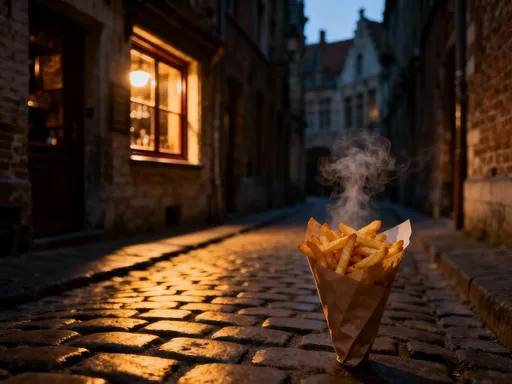
Street food in Ghent is simple but satisfying. The most iconic treat is, of course, the Belgian friet. Unlike the thick-cut fries found elsewhere, Ghent’s version is double-fried for extra crispness, served in a paper cone with a choice of sauces. While mayonnaise is the classic pairing, locals often opt for andalouse—a spicy, tangy sauce with bell peppers and garlic—or andalouse spéculière, a house-made variation with herbs and a hint of heat. The best fry stands are small, unassuming kiosks tucked into corners of markets or near tram stops, where the oil is changed daily and the potatoes are locally sourced.
Seasonal treats also make appearances. In autumn, you might find stands selling oliebollen—light, doughnut-like fritters dusted with powdered sugar—especially around New Year’s. In spring, fresh asparagus is sold in bundles, often with a recipe card tucked inside. And during the Christmas season, the market transforms with wooden huts offering mulled wine, roasted chestnuts, and spiced biscuits. These moments are not just about eating—they are about participating in the cycle of the year, sharing in traditions that have endured for generations.
Beer Beyond the Bottle: Ghent’s Craft Culture and Hidden Brewpubs
Belgium is world-famous for its beer, but in Ghent, the experience goes far beyond the bottles lined up in gift shops. While Trappist ales and fruit lambics have their place, the city’s real excitement lies in its craft beer movement—a quiet revolution led by small brewers who care more about flavor than fame. These are not industrial brands, but microbreweries operating out of garages, basements, or repurposed warehouses, experimenting with local ingredients and traditional methods.
In Ghent, beer is not just a drink—it’s part of the meal. Locals don’t save it for special occasions; they enjoy a glass with lunch, pair it with cheese, or sip a dark ale alongside a rich stew. The best places to experience this culture are the low-key brewpubs and neighborhood bars that pour house-made ales alongside a simple menu of regional dishes. These spots are unpretentious: no velvet ropes, no tasting flights in test tubes, just wooden tables, chalkboard menus, and bartenders who know your order after two visits.
One of the joys of Ghent’s beer scene is its accessibility. Unlike some cities where craft beer comes with a premium price tag, here you can enjoy a perfectly balanced amber ale or a smoky brown stout without breaking the bank. Many bars offer a “beer of the week” from a local brewer, often served in a branded glass that you can take home. Some even host informal tastings, where the brewer explains the process and answers questions in casual conversation.
Pairing beer with food is an art in Ghent. A crisp blonde ale cuts through the richness of stoofvlees, while a malty dubbel enhances the sweetness of caramelized onions in a tart. Even desserts find their match—a dark, chocolatey stout pairs beautifully with a dense chocolate cake, and a spiced winter ale complements speculaas perfectly. The key is balance: not overwhelming the dish, but elevating it.
For travelers, the best approach is to let go of the checklist mentality. Skip the crowded beer museums and instead visit a neighborhood pub where locals gather after work. Order what the person next to you is drinking. Ask the bartender, “Wat drinkt u zelf?” (“What do you drink yourself?”). That simple question often leads to the best recommendations—beers you won’t find on any app, brewed by someone who lives just a few streets away.
Sweet Endings: Bakeries and Desserts That Tell a Story
In Ghent, dessert is not an afterthought—it is a celebration of craftsmanship and tradition. The city’s bakeries, many of them family-owned for generations, are temples of patience and precision. Early each morning, ovens are fired, dough is kneaded by hand, and spices are measured with care. The result is bread that crackles when you break it, pastries that melt on the tongue, and sweets that carry the weight of memory.
One of the most beloved treats is speculaas, the spiced biscuit baked in intricate wooden molds. While often associated with the winter holidays, it can be found year-round in Ghent’s best bakeries. The dough—a blend of flour, butter, brown sugar, and a warm spice mix—is rolled thin and pressed into molds carved with scenes of windmills, saints, or farm life. After baking, the biscuits are crisp and fragrant, perfect with a cup of coffee or a glass of cold milk. Some families still make their own, using molds passed down from grandparents, but the best commercial versions come from small bakeries that refuse to use industrial shortcuts.
Another favorite is the tompouce, a rectangular pastry filled with vanilla custard and topped with pink icing. Unlike the flaky mille-feuille, the tompouce has a denser puff pastry, creating a satisfying contrast with the smooth filling. It’s a common sight in bakery windows, often displayed alongside seasonal specials like rhubarb tarts in spring or pear crumble in autumn. The best ones are made fresh each morning, ensuring the custard is cool and the pastry crisp.
For those with a sweet tooth, Ghent also offers regional cakes like kerststron, a brioche-like bread studded with raisins and candied peel, or vlaai, a deep-dish fruit tart with a soft crust and juicy filling. These desserts are not light—they are meant to be shared, savored slowly, and enjoyed with conversation. A morning stop at a neighborhood bakery is one of the simplest pleasures in Ghent: the smell of warm bread, the hum of conversation, the ritual of choosing just one treat to pair with your coffee.
How to Eat Like a Local: Practical Tips for a Real Food Journey
To truly experience Ghent’s food culture, it helps to understand the rhythm of local life. Meals in Belgium are not rushed. Lunch is typically served between 12:00 and 14:00, and dinner starts no earlier than 18:30, often closer to 19:30. Many restaurants close between services, so arriving too early or too late may mean finding a locked door. Reservations are recommended for dinner, especially on weekends, but for lunch, walking in is perfectly acceptable—even preferred—at smaller establishments.
When ordering, don’t expect long menus with photos. The best places offer a short list of daily specials, often written in Dutch. If you’re unsure, point to what the person at the next table is eating, or ask the server to recommend something “typisch voor Gent” (typical for Ghent). Don’t be afraid to try dishes you can’t pronounce—most are simple, hearty, and delicious. And don’t skip the side dishes: buttered carrots, stewed endive, or a small green salad often complete the meal in ways you wouldn’t expect.
Cash is still widely accepted, though most places take cards. However, some small markets or street vendors may prefer cash, so it’s wise to carry a few euros in small bills. Tipping is not mandatory, but leaving a small amount—5 to 10 percent—if you’re satisfied is appreciated. Service is polite but not effusive; Belgians value efficiency and discretion, so don’t expect constant check-ins.
To make the most of your food journey, combine eating with exploring. Take a morning walk along the canals, then stop at a bakery for fresh bread and a coffee. Visit the Saturday market, sample a few bites, and chat with vendors. In the evening, find a quiet pub with local beer and a simple menu, and let the meal unfold at its own pace. The goal is not to check off a list, but to immerse yourself in the rhythm of the city—to eat, drink, and linger like someone who belongs.
Most importantly, be curious. Ask questions. Smile. Accept recommendations. Ghent’s food culture is not hidden because it wants to exclude—it’s preserved because it values authenticity over spectacle. When you step into a small tavern, order a plate of stoverij, and raise a glass of local ale, you’re not just eating. You’re joining a tradition that has nourished families, friends, and communities for generations.
Ghent’s magic isn’t just in its spires or reflections on the Leie River—it’s on the plate. Each dish tells a story of seasons, family, and quiet pride. By stepping away from the guidebook and into its hidden corners, travelers don’t just eat well—they connect. In a world of fast tourism, Ghent invites you to savor slowly, live locally, and taste what truly matters.