Nestled just beyond Lisbon, Sintra unfolds like a dream painted in misty hills, colorful palaces, and ancient forests. I wandered its cobbled paths and felt time slow—each turn revealed a story, a scent, a view that stole my breath. This isn’t just sightseeing; it’s *feeling* a place. From misty mountain trails to secret garden nooks, Sintra invites you to experience wonder step by step. More than a UNESCO World Heritage Site, it is a living tapestry of nature, history, and imagination. Walking here is not merely transportation—it becomes meditation, discovery, and connection. In an age of rushing from one landmark to the next, Sintra teaches us the rare gift of presence.
The Allure of Slow Travel in Sintra
Sintra is one of Europe’s most compelling invitations to slow travel. Unlike cities where tourism moves at a sprint, Sintra rewards those who linger, listen, and walk with intention. Its compact size and layered landscape—rolling hills, dense woodlands, and architectural marvels nestled side by side—make it ideal for immersive exploration. When you travel slowly, you begin to notice details: the way morning light filters through eucalyptus trees, the scent of damp moss after a drizzle, the distant chime of a church bell echoing through the valley. These moments are not distractions—they are the essence of the experience.
Walking through Sintra transforms sightseeing into sensory storytelling. Each step becomes part of a narrative shaped by history, nature, and personal reflection. The rhythm of your footsteps matches the pulse of the land. You are no longer a passive observer but an active participant in the landscape. This kind of travel fosters deeper emotional connections. Studies have shown that physical movement through a place enhances memory retention and emotional engagement. When you walk, you absorb more—not just sights, but moods, textures, and atmospheres. The difference between viewing a palace from a tour bus and approaching it on foot is like the difference between reading a recipe and tasting the meal.
Contrast this with checklist tourism—the kind that prioritizes ticking off landmarks in the shortest time. While efficient, this approach often sacrifices depth for speed. Visitors may see Pena Palace, the Moorish Castle, and Quinta da Regaleira in a single day, but at what cost? Rushing leaves little room for wonder, for quiet observation, for the unexpected encounter. In Sintra, the magic often lies off the main path: a hidden bench with a view, a family-run pastry shop with warm custard tarts, a sudden clearing where sunlight dapples the forest floor. These are not attractions to be scheduled—they are gifts of presence. Slow travel is not about doing less; it is about experiencing more. And in Sintra, where beauty unfolds gradually, patience is its own reward.
Pena Palace: A Fairytale in Full Color
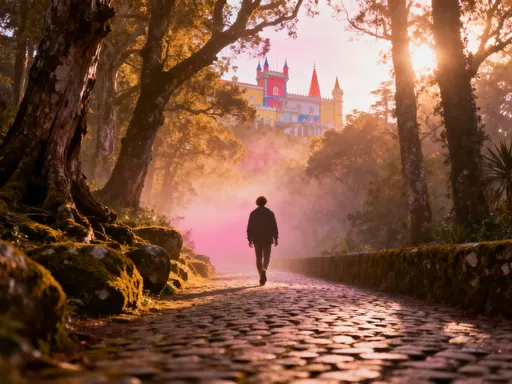
Rising above the treetops like a confection from a storybook, Pena Palace is Sintra’s most iconic sight. Its vivid yellows, reds, and blues stand in bold contrast to the green hills, visible from miles away. The walk up the winding road from the town center takes about 30 to 40 minutes, but every step builds anticipation. As the trees part and the full silhouette of the palace emerges, there is an undeniable sense of awe. Turrets twist toward the sky, domes glow in the sun, and ornate stonework tells tales of a romantic past. This is not a museum frozen in time—it is a living monument to imagination and artistic freedom.
The palace was commissioned in the 19th century by King Ferdinand II, a German-born consort of Queen Maria II of Portugal. A passionate patron of the arts, he transformed a former monastery into a summer residence that blended Gothic, Moorish, Renaissance, and Manueline styles. This architectural fusion reflects the Romantic movement of the era, which valued emotion, individualism, and a fascination with the past. The result is a structure that feels both grand and playful, serious and whimsical. Inside, the rooms are richly decorated with period furniture, intricate tilework, and vibrant wallpapers. Yet it is the exterior—the terraces, the clock tower, the panoramic viewpoints—that truly captivates.
To make the most of your visit, timing is essential. Arriving early in the morning, ideally when the gates open at 9:30 a.m., allows you to experience the palace with fewer crowds and soft, golden light perfect for photographs. Tickets can be purchased online in advance, which is highly recommended during peak seasons like spring and summer. While a shuttle bus runs from the town center, walking offers a more rewarding approach, letting you absorb the changing scenery and set your own pace. Comfortable shoes are a must, as the grounds are expansive and include steep paths. As you wander through the gardens, you’ll encounter fountains, hidden grottoes, and stone bridges—all designed to surprise and delight. Pena Palace is not just a place to see; it is a place to feel wonder.
Moorish Castle: Where History Meets the Horizon
Perched high on a mountain ridge, the Moorish Castle offers one of Sintra’s most breathtaking experiences—not for its opulence, but for its raw, ancient presence. The climb to the site is steep, winding through shaded forest paths, but the effort is repaid with sweeping views of the surrounding landscape. As you approach, the first sight is the long, serpentine wall that snakes along the crest of the hill, built over a thousand years ago. These weathered stone fortifications once protected a Muslim settlement during the 8th and 9th centuries, when the Iberian Peninsula was under Islamic rule. Though much of the original structure has eroded, the remaining walls and towers speak of resilience and strategic brilliance.
Walking along the ramparts is a powerful experience. The path stretches for nearly a kilometer, rising and falling with the terrain, offering constantly shifting perspectives. To the west, you can see the Atlantic Ocean glinting in the distance; to the east, the lush valleys and rooftops of Sintra unfold below. On a clear day, the view spans over 20 kilometers. There is something humbling about standing where people stood centuries ago, gazing at the same horizon. The wind moves through the stones, carrying whispers of history. Interpretive signs along the way provide context without overwhelming the experience, sharing facts about construction techniques, daily life, and the eventual Christian reconquest in the 12th century.
The physical demands of the site should not be underestimated. The terrain is uneven, with steps carved directly into the rock in some places. Sturdy footwear with good grip is essential, especially after rain when the stone can become slippery. Sun protection is also important, as much of the walk is exposed. There is no shade along the walls, and temperatures can rise quickly on sunny days. Families with young children or visitors with mobility concerns may find parts of the trail challenging, but even a partial walk offers profound rewards. The Moorish Castle is not about luxury or comfort—it is about connection to the past, to the land, and to the enduring human impulse to build, defend, and observe. It is history you can walk through, not just read about.
Monte da Lua: Tracing Sintra’s Mythic Heart
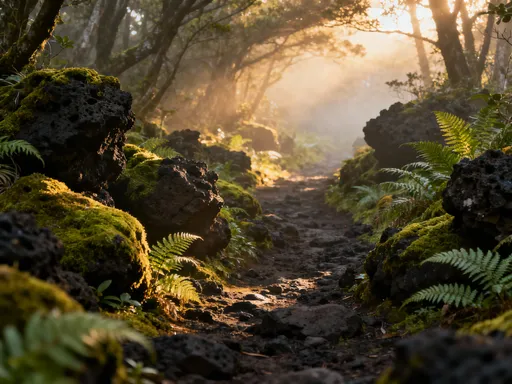
Known in ancient times as *Monte da Lua*, or the “Mountain of the Moon,” this forested highland has long been shrouded in mystery. Long before palaces and castles, people believed the area was enchanted—a place where natural forces converged and the veil between worlds was thin. While modern science explains the region’s unique microclimate and biodiversity, the sense of enchantment remains. The hills are cloaked in a protected forest that shelters rare plants, moss-covered boulders, and hidden springs. Walking through Monte da Lua feels like stepping into another realm, where silence is broken only by birdsong and the rustle of leaves.
The network of trails here is well-marked but not overcrowded, offering solitude without isolation. One popular route leads from the Moorish Castle down through the heart of the forest toward the town center. Along the way, hikers pass through groves of cork oak, laurel, and strawberry trees—species native to the Iberian Peninsula. Ferns grow in lush carpets, and lichen drapes from ancient branches like lace. Interpretive panels explain the ecological importance of the Sintra-Cascais Natural Park, highlighting conservation efforts and the role of native vegetation in maintaining clean air and water. This is not just a scenic backdrop; it is a living ecosystem that has thrived for centuries.
Legends persist about the mountain’s mystical properties. Some say it was a gathering place for druids; others believe it holds geomantic energy. While these stories cannot be verified, they add depth to the experience of walking here. There is a quiet power in the land—an atmosphere that invites reflection. Many visitors report feeling a sense of peace or clarity after spending time in the forest. Whether this is due to the clean air, the absence of urban noise, or something less tangible, the effect is real. For those seeking a break from the bustle of tourist sites, Monte da Lua offers a chance to reconnect with nature and with oneself. It is a reminder that wonder does not always come in the form of grand architecture—sometimes, it is found in the stillness between the trees.
Quinta da Regaleira: Initiation into the Enchanted Garden
Among Sintra’s many treasures, Quinta da Regaleira stands apart—a place where architecture, symbolism, and nature intertwine in mysterious harmony. Built in the early 20th century by wealthy industrialist Carvalho Monteiro, the estate reflects his fascination with esoteric traditions, including Freemasonry, the Knights Templar, and alchemy. Yet the site is not a temple or a secret society lodge; it is a private retreat designed as a personal journey of transformation. The centerpiece is the Initiation Well—a nine-level spiral staircase descending into the earth, symbolizing descent into the self, followed by ascent toward enlightenment. Walking through it is a physical and emotional experience, damp and cool at the bottom, then rising into light and open sky.
The gardens are a labyrinth of symbolic structures: grottoes, fountains, hidden tunnels, and a Gothic-style palace with ivy-clad towers. Every element is intentional. The well aligns with celestial events; the lakes represent purification; the underground passages suggest journeys through the subconscious. Unlike Pena Palace, which dazzles with color, Quinta da Regaleira captivates with depth and meaning. It invites contemplation rather than spectacle. Visitors are encouraged to walk slowly, to pause, to interpret what they see. There are no loud guides or crowds rushing through—just the sound of water and the crunch of gravel underfoot.
While the esoteric themes are fascinating, it is important to approach them with respect and accuracy. The estate does not promote any specific belief system, nor does it claim supernatural powers. Instead, it uses symbolism as a language of introspection. You do not need to believe in alchemy to appreciate the beauty of the well’s stonework or the serenity of the lake. The experience is open to interpretation: some see spiritual meaning, others see art, and still others see a whimsical puzzle. What matters is the act of engagement—of descending into darkness and choosing to rise again. Quinta da Regaleira is not just a garden; it is an invitation to journey inward.
Village Charms: Cafés, Bookshops, and Local Rhythms
After hours of walking through forests and palaces, the historic center of Sintra offers a warm, human counterpoint. Cobblestone streets wind past pastel-colored buildings with flower-filled balconies. The air carries the sweet scent of *pastéis de nata*—Portugal’s famous custard tarts—baking in wood-fired ovens. Small cafés spill onto the sidewalks, where locals sip espresso and read the morning paper. Bookshops display titles in Portuguese and English, some specializing in history, others in poetry. Street musicians play gentle melodies on guitar or violin, adding to the town’s lyrical atmosphere.
This is where Sintra reveals its everyday soul. Beyond the grand monuments, life unfolds in quiet rhythms: a baker pulling golden tarts from the oven, a shopkeeper arranging handmade soaps in the window, children laughing as they chase pigeons in the central square. These moments are not staged for tourists—they are real, lived experiences. Engaging with them deepens your connection to the place. A simple conversation with a shop owner, a shared smile with a fellow walker, the choice to sit and linger over a cup of tea—these are the threads that weave a meaningful travel story.
Timing your visit to the village can enhance the experience. Mornings are especially peaceful, before the tour buses arrive. The light is soft, the streets are quiet, and the bakeries are fresh. Late afternoon, as the sun begins to dip, casts a golden glow over the buildings, perfect for photography and reflection. Many visitors rush to see the sights and leave, but staying into the evening reveals another side of Sintra. Restaurants light their lamps, families gather for dinner, and the hills darken into silhouettes. There is a sense of closure, of the day settling into memory. To walk through the village at this hour is to witness the natural rhythm of a place that welcomes visitors but lives by its own quiet beat.
Connecting the Dots: Crafting Your Own Path
One of the greatest joys of visiting Sintra is the freedom to design your own journey. While guidebooks suggest itineraries, the most memorable experiences often come from spontaneity. You might start at Pena Palace, then walk through the forest to the Moorish Castle, descend through Monte da Lua, and end at Quinta da Regaleira—all on foot, all at your own pace. Public buses connect major sites, but walking between them allows you to discover hidden trails, unexpected viewpoints, and quiet moments that buses can’t reach.
Practical planning helps preserve this sense of freedom. Wearing comfortable, broken-in shoes is essential—many paths are cobbled or uneven. A light backpack with water, a snack, a rain jacket, and a map can make a big difference. While digital maps are useful, carrying a printed guide or trail map ensures you won’t be stranded if your phone battery dies. Starting early gives you more daylight and fewer crowds. If you’re visiting multiple sites, consider purchasing a combined ticket, which offers access to Pena Palace, the Moorish Castle, and Quinta da Regaleira at a discounted rate. This not only saves money but also streamlines entry.
Taxis and ride-sharing services are available for those who need rest or have limited mobility, but even using them selectively—say, to return to town after a long walk—can preserve energy without sacrificing the walking experience. The key is balance: structure enough to feel prepared, but openness enough to embrace surprise. Some of the best moments in Sintra happen off the itinerary—a chance encounter with a local gardener, a sudden rainbow over the hills, a quiet bench with a perfect view. When you walk with intention but without rigid expectations, the landscape begins to guide you.
The Lasting Whisper of the Hills
Sintra stays with you—not just in photos, but in feeling. Every path walked becomes part of your story. To wander here is not to consume sights, but to let the landscape speak. In slowing down, we find not only beauty, but belonging. The palaces impress, the views astonish, but it is the quiet moments—the scent of pine, the sound of distant bells, the warmth of a pastry in your hands—that linger longest. These are the threads that weave into memory, forming a tapestry richer than any guidebook can describe.
Walking through Sintra is more than a physical act; it is a practice of presence. It teaches us to notice, to listen, to be open to the unexpected. In a world that often feels rushed and fragmented, Sintra offers a rare gift: the chance to move slowly, to feel deeply, to remember that travel is not about how much you see, but how fully you experience. The hills do not shout—they whisper. And if you walk with care, you will hear them. Let the paths guide your feet, and you’ll leave with more than memories. You’ll carry a quiet magic home—one step at a time.