I went to Gwangju expecting history and culture—but wow, the city’s vibrant commercial districts blew me away. Far from just traditional markets, this dynamic urban center pulses with creativity, local flavor, and smart urban energy. From trendy shopping alleys to bustling food streets, I discovered a side of Gwangju few travelers talk about. If you’re looking for authentic, off-the-beaten-path energy with modern flair, this is your next must-visit. What surprised me most wasn’t just the variety of shops or the aroma of sizzling street food—it was how seamlessly daily life, innovation, and tradition blend in every corner of the city. Gwangju doesn’t shout for attention; it invites you in with quiet confidence and warm authenticity.
First Impressions: Gwangju’s Urban Pulse
Arriving in Gwangju by KTX from Seoul, the journey unfolds like a transition from metropolitan intensity to regional harmony. The high-speed rail pulls into Gwangju Station smoothly, and within minutes, travelers can access local buses, taxis, or the efficient city subway system. Unlike the overwhelming rush of Seoul’s major terminals, Gwangju Station offers a calm yet purposeful atmosphere—spacious, clean, and intuitively laid out. As I stepped outside, the first view of the city skyline revealed a balanced blend of mid-rise buildings, tree-lined avenues, and pockets of greenery that hinted at thoughtful urban planning.
The initial impression of Gwangju is one of quiet momentum. There’s no chaotic sprawl or sensory overload, yet the city feels alive. The streets hum with activity, but without noise pollution or congestion. This balance between order and vibrancy sets the tone for what lies ahead. Many visitors, like myself, come with expectations rooted in Gwangju’s historical significance—particularly its role in South Korea’s democratic movement—but few anticipate the strength and sophistication of its commercial infrastructure. The surprise isn’t just that Gwangju has modern shopping areas; it’s that these spaces feel organic, integrated into the fabric of daily life rather than imposed for tourism.
What struck me most during my first walk through the central districts was the absence of generic chain dominance. While national brands are present, they coexist with independent shops, family-run eateries, and locally inspired design. This gives the city a distinct character—a sense of ownership by its residents. Sidewalks are wide and well-maintained, encouraging pedestrian movement. Public art installations and seasonal flower displays add subtle touches of beauty. In this way, Gwangju manages to be both functional and aesthetically pleasing, a city designed not just for business, but for living.
Sangmu District: The Heart of Modern Commerce
If there’s a beating heart to Gwangju’s modern economy, it’s the Sangmu District. Developed as a planned urban center in the late 20th century, Sangmu was envisioned as a model of integrated living—where work, shopping, and residence converge seamlessly. Today, it stands as a testament to forward-thinking city design. Towering office complexes house regional branches of national corporations, while adjacent shopping centers attract both professionals on lunch breaks and families browsing weekend deals. The district’s layout prioritizes accessibility, with underground walkways connecting major buildings and sheltered pathways linking transit points to retail zones.
One of Sangmu’s defining features is its emphasis on walkability. Unlike some commercial hubs where cars dominate, here pedestrians move freely across wide sidewalks, landscaped plazas, and bridge-connected walkways. Green spaces are woven throughout—small parks, rooftop gardens, and tree-lined boulevards provide visual relief and improve air quality. This attention to environmental comfort makes spending time in the district pleasant, even on warmer days. The clean, minimalist architecture further enhances the sense of order and modernity, with glass facades reflecting sunlight and giving the area a bright, open feel.
Shopping in Sangmu ranges from large department stores like Lotte and Hyundai outlets to specialty boutiques offering Korean skincare, fashion, and home goods. These aren’t just places to buy things—they’re experiences. Stores often feature interactive displays, seasonal themes, and customer lounges where visitors can rest or sample products. Dining options are equally diverse, from upscale restaurants serving Jeolla-do regional cuisine to casual noodle bars and dessert cafés. What sets these eateries apart is their commitment to local ingredients—many highlight produce sourced from nearby farms in South Jeolla Province, reinforcing the connection between urban consumption and rural supply.
For families and working professionals alike, Sangmu offers more than convenience—it provides a lifestyle. After-work gatherings at rooftop bars, weekend strolls through seasonal markets, and children playing in designated play zones all contribute to a sense of community. The district doesn’t feel sterile or corporate-dominated; instead, it feels lived-in and welcoming. It’s a place where business efficiency meets human warmth, making it not only a commercial hub but a social one as well.
Chonnam National University Street: Youth Culture & Street Life
A short bus ride from Sangmu brings you to a completely different energy: the lively stretch surrounding Chonnam National University. Known locally as “Honamgil” or “University Street,” this area thrives on youthful creativity and affordability. As one of Korea’s leading national universities, Chonnam draws thousands of students from across the country, and their presence shapes the district’s commercial identity. Cafés with quirky themes, second-hand clothing stores, and small music venues line the narrow streets, creating a bohemian vibe that contrasts beautifully with Sangmu’s polished modernity.
Walking down University Street feels like stepping into a living canvas of self-expression. Murals painted by art students decorate building walls, poetry is scrawled on café chalkboards, and indie bands perform live music on weekends. The pace is slower here, more contemplative, yet buzzing with creative energy. Shops cater directly to student budgets—think $2 coffee specials, $10 meal combos, and vintage fashion finds. But don’t mistake low prices for low quality. Many of these businesses are run by young entrepreneurs testing innovative ideas, from plant-based bakeries to zero-waste lifestyle shops.
Food is undoubtedly the star of this district. Snack stalls offer quick bites like tteokbokki (spicy rice cakes), odeng (fish cakes on skewers), and hotteok (sweet filled pancakes). But beyond the classics, there’s a growing trend of fusion street food—kimchi quesadillas, bulgogi tacos, matcha-latte waffles—that reflects the global influences students bring with them. One evening, I followed the scent of grilling meat to a tiny stand where a student vendor served mini galbi (grilled short ribs) wrapped in lettuce with a gochujang-mayo dip. It was simple, delicious, and emblematic of the district’s spirit: inventive, communal, and full of flavor.
What makes University Street truly special is its authenticity. There are no staged photo zones or overpriced souvenir shops aimed at tourists. This is a place where real life happens—students studying in 24-hour reading rooms, friends laughing over late-night ramyeon, couples sharing ice cream under string lights. For adult travelers, especially women in their 30s to 50s who may remember their own college days, walking these streets can evoke a deep sense of nostalgia and joy. It’s a reminder that cities aren’t just about monuments or museums—they’re also about the everyday moments that make life vibrant.
Gwangju Modern History 5.18 Memorial District: Where Memory Meets Market
Nestled in the eastern part of the city, the 5.18 Memorial District holds profound historical significance. Dedicated to the citizens’ democratic uprising of May 1980, this area serves as both a solemn place of remembrance and an active part of urban life. What’s remarkable is how commerce exists alongside memory—not in contradiction, but in respectful coexistence. Around the memorial park and museum, small businesses operate with dignity, offering items that honor the past without exploiting it. Bookstores specialize in civil rights literature, documentary films, and biographies of activists. Souvenir stands sell commemorative pins, postcards, and educational materials, all designed with restraint and clarity.
Cafés in this district often adopt quiet, reflective themes. Some display historical photographs on their walls; others offer free guided readings about Korea’s democratization process. One particularly moving spot, located just across from the main memorial gate, is a tearoom that serves traditional herbal infusions named after key figures in the movement. The staff, many of whom are volunteers or descendants of survivors, speak gently and knowledgeably when asked about the history. There’s no pressure to buy or perform emotion—just space to reflect.
Despite the weight of its history, the area does not feel somber or inaccessible. Families visit the park on weekends, children fly kites near the monument, and locals jog along the tree-lined paths. Vendors sell refreshments like barley tea and rice cakes, maintaining the rhythm of daily life. This integration shows a mature relationship between past and present—one that acknowledges pain without being defined by it. For travelers, visiting this district offers more than historical insight; it provides a model of how communities can honor their struggles while continuing to grow.
The commercial activity here supports preservation efforts, with a portion of proceeds from certain shops going toward educational programs. This creates a sustainable cycle where remembrance is not only memorialized but actively maintained. As a visitor, spending time in this district felt meaningful in a way that few tourist experiences do. It wasn’t about consumption—it was about connection. And yet, the presence of thoughtful commerce made the experience more tangible, more grounded in reality.
Traditional Markets with a Twist: Gwangjang and Jeonnam Agricultural Market
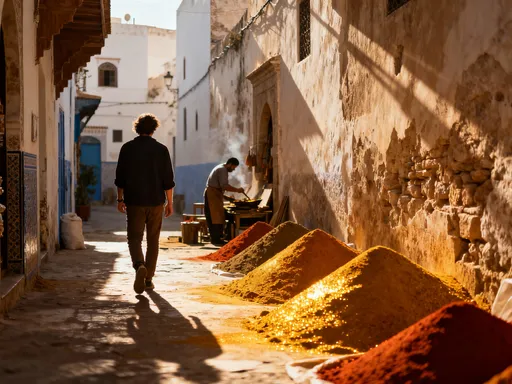
No exploration of Gwangju’s commercial landscape would be complete without a deep dive into its markets. While the famous Gwangjang Market in Seoul often steals the spotlight, Gwangju’s own versions—particularly the Jeonnam Agricultural Products Market—offer an equally rich, if quieter, experience. Spread across several covered halls and open-air sections, this market is a sensory celebration of regional abundance. The air carries the earthy scent of fresh vegetables, the briny tang of salted seafood, and the sweet aroma of persimmons and pears in season. Rows of vendors display pyramids of chili peppers, bundles of wild greens, and jars of homemade kimchi in every variation imaginable.
What sets this market apart is its dual role: it serves as both a wholesale hub for local restaurants and a destination for curious travelers. Unlike tourist-centric markets that feel staged, Jeonnam Agricultural Market operates primarily for residents. This authenticity means prices are fair, interactions are genuine, and the quality of goods is exceptional. Vendors welcome questions, often offering samples or cooking tips. One elderly woman demonstrated how to properly wrap perilla leaves around grilled mackerel, her hands moving with practiced ease. Another proudly showed off her handmade gochujang, fermented for over six months using her grandmother’s recipe.
Gwangjang Market, though smaller in scale, shares a similar energy. Located near the city center, it blends traditional dry goods—textiles, ceramics, household items—with a vibrant food section. Here, visitors can try regional specialties like bindaetteok (mung bean pancakes), hweori guksu (spicy cold noodles), and jjimdak (braised chicken with vegetables). The food stalls are often family-run, with generations working side by side. Seating is communal—long tables encourage strangers to share space, creating an instant sense of belonging.
Navigating these markets is easy and safe, even for solo female travelers. Signage is bilingual in many areas, and staff are accustomed to foreign visitors. Bargaining is generally not expected—prices are already low—but polite haggling for bulk purchases may be accepted with a smile. The best approach is to come with an open mind and an empty stomach. Whether you’re buying fresh produce to cook later or sampling dish after dish at the food counters, the experience is deeply satisfying. These markets aren’t just places to shop—they’re windows into Korean home life, where food, family, and tradition intersect.
Night Markets and After-Hours Energy
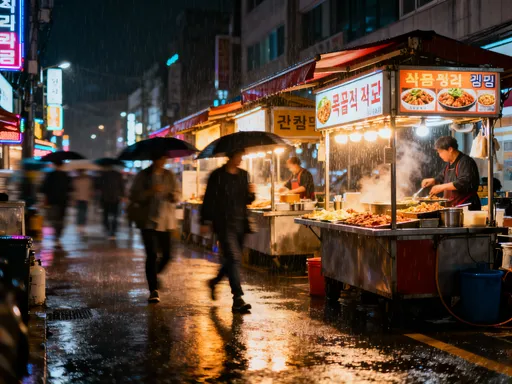
As the sun sets, Gwangju transforms. The daytime bustle gives way to a more relaxed, intimate rhythm. Night markets emerge in various neighborhoods, their stalls glowing under strings of warm lights. These aren’t massive tourist spectacles, but localized gatherings rooted in community. In Sangmu, a row of food trucks lines the plaza near the department store, serving hot soups, grilled skewers, and steamed buns. Near Chonnam University, pop-up vendors appear on weekends, offering handmade crafts, vintage accessories, and late-night snacks.
The atmosphere after dark is remarkably safe and family-friendly. Parents bring children to enjoy sweet potato pastries, couples stroll hand-in-hand past dessert carts, and groups of friends gather around shared tables drinking soju and eating jjajang-ppang (black bean buns). Street performers occasionally play acoustic music, adding to the gentle vibrancy. Unlike the rowdy nightlife of larger cities, Gwangju’s evening energy feels inclusive and unhurried—perfect for travelers who want to experience local life without sensory overload.
One night, I followed a crowd toward a small square where a temporary night market had sprung up. A vendor was frying hotteok with a twist—fillings of cinnamon, nuts, and even cheese. Another offered mini bibimbap cups, perfect for sampling. I ended up sharing a table with two local women who invited me to try their tteokbokki. We communicated mostly through gestures and smiles, but the warmth was unmistakable. Moments like these remind you that commerce isn’t just transactional—it’s relational.
Accessibility remains strong at night. Public transit runs late, taxis are readily available, and sidewalks are well-lit. For women traveling alone or in small groups, this sense of security enhances the enjoyment. There’s freedom to explore, to linger, to say yes to spontaneous invitations. Gwangju’s after-hours scene proves that a city doesn’t need neon excess to be exciting—sometimes, the soft glow of a food cart and the smell of grilling meat are enough to make a memory.
Why Gwangju’s Commercial Areas Deserve More Attention
In recent years, there’s been a quiet shift in how people travel. More visitors are moving beyond Seoul, Busan, and Incheon to discover the richness of regional Korea. Cities like Gwangju, Daegu, and Daejeon offer depth without density, authenticity without performance. Among these, Gwangju stands out for how its commercial districts reflect the soul of the city. They are not merely places to shop or eat—they are expressions of identity, resilience, and community.
Economically, these areas sustain thousands of small businesses, from family farms supplying the agricultural market to student-run cafés on University Street. Culturally, they preserve traditions while embracing innovation. A kimchi vendor uses her grandmother’s recipe but sells online; a bookstore hosts poetry readings alongside history exhibits. This balance of old and new creates a dynamic, evolving urban culture that feels both rooted and forward-looking.
What makes Gwangju unique is its accessibility. You don’t need a luxury budget or perfect Korean to enjoy it. Signage is increasingly bilingual, service is courteous, and the pace allows for meaningful engagement. For women in their 30s to 55, many of whom travel for both relaxation and enrichment, Gwangju offers a rare combination: safety, substance, and beauty. It’s a place where you can learn, eat well, walk freely, and feel connected—all without the stress of overcrowding or commercialization.
Most importantly, Gwangju invites curiosity. It doesn’t demand attention through spectacle. Instead, it rewards those who look closely—who pause at a street mural, ask a vendor about her recipe, or sit quietly in a memorial café. In doing so, visitors don’t just see the city—they feel its heartbeat.
Gwangju isn’t just a city of history—it’s a living, breathing commercial landscape waiting to be explored. Its districts don’t just sell goods; they tell stories of resilience, youth, and everyday life. By stepping into its streets, you’re not just shopping or eating—you’re connecting with the rhythm of a city on the rise. For travelers seeking depth, energy, and real Korean urban culture, Gwangju’s commercial heart is calling.