Nature lovers, listen up—Suwon isn’t just about palaces and tech hubs. Tucked behind the urban buzz are hidden natural escapes that’ll take your breath away. From misty mountain trails to serene riverside paths, I never expected such peace just minutes from the city. If you’re craving green spaces that feel untouched and real, you gotta check out what Suwon’s quieter side has to offer. This is nature with zero hassle—accessible, beautiful, and totally worth your time. You don’t need to travel deep into the countryside to find calm; in Suwon, it’s woven into the rhythm of daily life, waiting just beyond the next tree line or beside the next quiet stream.
Reimagining Suwon: More Than Just a Historical Hub
Suwon is often celebrated for its UNESCO World Heritage site, the majestic Hwaseong Fortress, a symbol of Korea’s rich historical legacy. Yet, beyond the stone ramparts and royal pavilions lies a lesser-known side of the city—one that pulses with greenery, fresh air, and quiet trails. While many visitors plan their itineraries around museums and markets, those who venture slightly off the beaten path discover a different kind of Korean city: one where urban life flows seamlessly into nature. Suwon has carefully preserved and enhanced its natural landscapes, ensuring that residents and travelers alike can enjoy both convenience and tranquility in equal measure.
What sets Suwon apart is not just the presence of parks and green zones, but how integrated they are into everyday life. Unlike cities where nature feels like an afterthought, Suwon has designed its urban fabric to include forests, streams, and hills as essential components of well-being. The city’s commitment to environmental restoration and public access means that even a short break from work or shopping can turn into a peaceful walk under the trees. This thoughtful balance between development and preservation makes Suwon a model for sustainable urban living in modern Korea.
For families, retirees, and anyone seeking a slower pace, these natural spaces offer more than just scenic views—they provide a sanctuary. Whether it’s a morning tai chi session by a quiet pond or an afternoon picnic beneath blooming cherry trees, the city’s green corners invite connection and reflection. And because these areas are so close to residential neighborhoods and public transit, there’s no need for long drives or complicated planning. Suwon proves that history and nature don’t have to compete; they can coexist beautifully, each enriching the other.
Paldalsan Mountain: The Green Pulse of the City
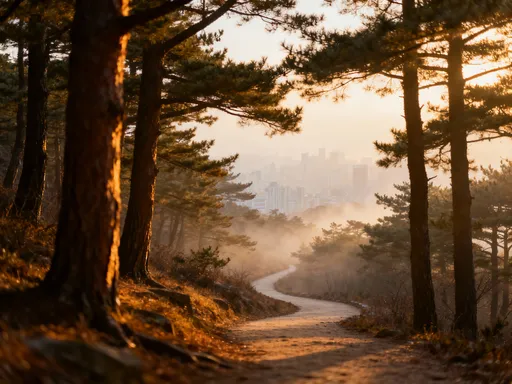
Rising gently in the northwest of Suwon, Paldalsan Mountain serves as the city’s green heart, offering a natural escape that feels both grand and accessible. At 481 meters high, it’s not the tallest peak in Korea, but its well-maintained trails and proximity to downtown make it a favorite among locals and an ideal destination for visitors. Whether you’re an experienced hiker or simply looking for a peaceful place to walk, Paldalsan welcomes everyone. The main trail is paved and gently sloped, making it suitable for children, seniors, and casual walkers. Along the way, towering pine trees provide shade, and in spring, wildflowers bloom in bursts of color along the path.
Reaching the summit rewards hikers with panoramic views that stretch across Suwon’s skyline and into the surrounding Gyeonggi Province. On clear days, you can see distant mountain ranges and the patchwork of green fields and neighborhoods below. The observation deck is spacious, with benches and informational signs in both Korean and English, allowing visitors to rest and absorb the scenery. Many come early in the morning to catch the sunrise or in late autumn to witness the vibrant transformation of the leaves. The mountain is especially popular during the Korean Chuseok holiday, when families gather for walks and quiet moments together.
What makes Paldalsan truly special is its atmosphere of calm. Unlike some of Korea’s more famous national parks, which can become crowded on weekends, Paldalsan retains a peaceful, unhurried feel. You’re more likely to encounter a local jogger or an elderly couple taking a slow stroll than large tour groups. Rest stations with clean restrooms, drinking fountains, and shaded seating are spaced at regular intervals, ensuring comfort and safety. There’s also a small shrine near the summit, adding a touch of cultural depth to the experience. For anyone wanting to reconnect with nature without leaving the city behind, Paldalsan Mountain offers the perfect balance.
The Hwangguksa Valley: A Hidden Forest Retreat
Just off the slopes of Paldalsan lies one of Suwon’s best-kept secrets: Hwangguksa Valley. This quiet, forested area surrounds the modest Hwangguksa Temple and is a haven for those seeking stillness and natural beauty. The path into the valley follows a clear, bubbling stream, with wooden footbridges, moss-covered rocks, and ferns lining the way. The air feels cooler here, even in summer, and the sound of flowing water creates a soothing backdrop. Birdsong fills the trees, and if you’re lucky, you might spot a kingfisher darting across the water or a squirrel scrambling up an oak trunk.
The temple itself is not large or ornate, but its simplicity adds to the sense of peace. Visitors are welcome to walk through the courtyard, light incense, or simply sit and meditate. However, most come not for religious reasons but for the atmosphere—the kind that makes you forget about emails, traffic, and to-do lists. Time seems to slow down in the valley, allowing space for reflection and renewal. It’s especially beautiful in early autumn, when the maple leaves begin to turn crimson and gold, reflecting in the stream like floating flames.
Because it’s less known to international tourists, Hwangguksa Valley remains a cherished spot for locals. You’ll often see elderly residents walking with canes, young couples enjoying a quiet date, or artists sketching the scenery. There are no shops or loud announcements—just the natural rhythm of wind, water, and life. The trail is well-marked but not overly developed, preserving its sense of discovery. For visitors, a walk through Hwangguksa Valley is like stepping into a traditional Korean painting: serene, balanced, and deeply calming.
The Anyangcheon Stream: Urban Nature at Its Best
Flowing through the heart of Suwon, the Anyangcheon Stream is a shining example of how cities can restore and revitalize natural waterways. Once affected by urban runoff and pollution, the stream has undergone extensive ecological rehabilitation over the past two decades. Today, it’s a clean, thriving corridor teeming with plant and animal life. Wide, flat paths run alongside the water for several kilometers, making it perfect for walking, jogging, or cycling. Families push strollers, students ride bikes to school, and office workers unwind after long days—all enjoying the fresh air and gentle scenery.
Birdwatchers will appreciate the variety of species that now call the stream home. Ducks paddle near the banks, herons stand motionless in shallow pools, and colorful kingfishers flash by in quick bursts of blue and orange. Reeds and water lilies grow along the edges, providing shelter for frogs and dragonflies. The city has installed informative signs about local wildlife, turning the stream into an informal outdoor classroom. Along the path, you’ll find benches, bicycle rental stations, and small cafés where you can pause for tea or a snack. In spring, cherry blossoms line parts of the trail, creating a dreamy, pink canopy.
What makes Anyangcheon truly valuable is its accessibility. Unlike remote hiking trails that require planning and transportation, this stream is integrated into the city’s daily life. You can hop off the subway at Geumgok Station or Suwon City Hall Station and be on the path within minutes. It connects to larger green networks, including parks and forest trails, allowing for extended exploration. The stream also plays a role in flood control and water purification, showing how nature can serve both beauty and function. For anyone wanting to experience the harmony between urban living and environmental care, a walk along Anyangcheon is both inspiring and uplifting.
Suwon’s Parks: Small Greenspaces, Big Impact
Even if you’re not venturing into mountains or along streams, Suwon’s neighborhood parks offer daily doses of nature that matter. These smaller green spaces may not make headlines, but they play a vital role in community well-being. Take Gwanggyo Lake Park, for example—a beautifully designed area with a central lake, walking trails, and open lawns. It’s a favorite spot for weekend outings, where families fly kites, children chase ducks, and couples take romantic evening walks. In spring, the park bursts into color with azaleas and cherry blossoms, while in autumn, golden ginkgo trees create a stunning pathway.
Similarly, Dongcheon Park offers a more low-key experience, ideal for quiet mornings or afternoon reading. It features a small pond, shaded benches, and winding paths perfect for a 20-minute escape from the day’s demands. Seniors gather here for group exercises, students study under the trees, and parents supervise toddlers on the playground. The park is clean, safe, and well-lit at night, making it welcoming at all hours. These parks are not just decorative—they are functional, supporting physical activity, social connection, and mental relaxation.
What’s remarkable is how consistently Suwon maintains these spaces. Trash bins are emptied regularly, lawns are mowed, and restrooms are kept spotless. Playgrounds are modern and safe, with equipment designed for different age groups. Seasonal events—like lantern festivals or flower exhibitions—add excitement and bring people together. For visitors, stopping by a local park is one of the best ways to observe Korean daily life. It’s here that you see the culture of respect for nature and community in action. These small greenspaces may seem simple, but their impact on quality of life is profound.
Practical Tips for Exploring Suwon’s Nature
Exploring Suwon’s natural side is easier than many expect. Most destinations are well-connected by public transportation, with clear signage in both Korean and English. The city’s subway and bus system is reliable, affordable, and user-friendly, even for first-time visitors. Paldalsan Mountain, for example, is just a short bus ride from Paldalmun Gate, while Hwangguksa Valley is accessible via a local bus from Suwon Station. Anyangcheon Stream runs parallel to several subway stops, making access simple. For those planning to visit multiple spots, a one-day transportation pass offers unlimited rides and can save both time and money.
When preparing for your visit, wear comfortable walking shoes—some paths are paved, while others are natural dirt or stone. Bring a reusable water bottle, especially in warmer months, as staying hydrated is important. While restrooms and vending machines are available at major points, it’s wise to carry a light snack or umbrella, depending on the forecast. Spring and autumn are ideal seasons, with mild temperatures and beautiful foliage, but even winter offers crisp, peaceful walks with fewer crowds. Early mornings are best for avoiding peak times and enjoying the quiet.
There are no entrance fees for any of these natural sites, which makes them budget-friendly for families and solo travelers alike. Facilities are generally clean and well-maintained, reflecting Korea’s high standards for public spaces. If you’re traveling with children or older adults, choose trails with gentle slopes and rest areas. Consider downloading a simple trail map or using a navigation app with offline capabilities, as some remote areas may have limited signal. With just a little planning, you can comfortably visit two or three natural spots in a single day, experiencing the full range of Suwon’s green offerings.
Why Natural Escapes Matter in Modern Travel
In today’s fast-paced world, travel often means ticking off famous landmarks, rushing between attractions, and capturing perfect photos. But places like Suwon remind us that the most meaningful experiences can be the quietest ones. A walk through a forest, a moment by a stream, or a pause on a park bench—these simple acts have a powerful effect on our well-being. Studies show that spending time in nature reduces stress, lowers blood pressure, and improves mood. For women in their 30s to 50s, who often juggle family, work, and personal needs, these moments of calm are not a luxury—they are essential.
Choosing destinations that offer both culture and nature leads to more balanced, fulfilling trips. Suwon excels in this balance, allowing visitors to explore royal history in the morning and find peace in the mountains by afternoon. This blend supports a travel style that values presence over productivity, feeling over photographing. As more travelers seek authenticity, wellness, and meaningful connection, cities that prioritize green spaces will become increasingly attractive.
The future of travel isn’t just about going farther or seeing more—it’s about feeling alive in the moment. Suwon’s natural escapes prove that tranquility doesn’t require isolation. It can exist beside the subway, behind the office, or just beyond the next hill. By protecting and sharing these spaces, Suwon invites us to slow down, breathe deeply, and remember what truly matters. So the next time you plan a trip, don’t overlook the quiet corners. Sometimes, the most beautiful journeys are the ones that lead not to a destination, but to yourself.