Atlanta isn’t just a city—it’s a living rhythm of green spaces, bold architecture, and neighborhoods that breathe culture. I didn’t expect to fall for its urban energy, but walking through its thoughtfully designed spaces, I felt instantly connected. From tree-lined belts to skybridges linking towers, Atlanta blends nature and city life like nowhere else. If you’re chasing authentic urban vibes, this is your next must-visit. Let me show you how the city truly unfolds.
The Heartbeat of the City: Understanding Atlanta’s Urban Identity
Atlanta’s urban identity pulses with a rare balance—Southern warmth meets forward-thinking innovation. Unlike cities that cling to tradition or rush headlong into modernization, Atlanta has cultivated a layered identity shaped by history, geography, and deliberate planning. Nestled in the rolling hills of northern Georgia and surrounded by dense forest, the city’s physical setting has always influenced its development. Its elevation—over 1,000 feet above sea level—gave it the nickname “Terminus” in the 1800s, as it became a key rail junction. That legacy of connectivity continues today, not just in transportation but in how people and places link across the metro area.
What sets Atlanta apart is its ability to rebuild and reimagine. After the Civil War, it rose as a symbol of the New South. In the 1990s, hosting the Centennial Olympic Games became a catalyst for transformation. Infrastructure was upgraded, parks were revitalized, and global attention spotlighted the city’s potential. The Olympics didn’t just bring medals—they brought momentum. Investments in public spaces, transit, and civic pride laid the groundwork for the Atlanta we see today: a city that honors its roots while embracing growth.
This duality is evident in the city’s layout. Downtown remains the economic and cultural nucleus, yet neighborhoods radiate outward with distinct personalities. Midtown balances corporate towers with arts institutions like the High Museum of Art. Buckhead exudes upscale elegance with tree-shaded streets and luxury shopping. Meanwhile, areas like Sweet Auburn carry deep historical weight as centers of African American entrepreneurship and civil rights leadership. Each district contributes to a mosaic that feels both cohesive and diverse.
Urban planners often cite Atlanta as a case study in adaptive growth. While sprawl has been a challenge, the city has responded with smart infill projects, transit-oriented developments, and policies that prioritize walkability. The result is an evolving urban fabric where old and new coexist—not always seamlessly, but with intention. For visitors, this means a city that rewards exploration, offering surprises around every corner, from a hidden garden behind a parking garage to a mural that tells a century-old story in vibrant color.
From Concrete to Canopy: How Green Spaces Redefine the Cityscape
Step into Atlanta, and one truth becomes immediately clear: this is a city wrapped in trees. With over 47% tree canopy coverage, Atlanta earns its nickname “the city in a forest” not through marketing, but through lived experience. These aren’t just ornamental plantings—they’re a vital part of the city’s environmental and social infrastructure. Urban forestry here does more than beautify; it cools neighborhoods, filters air, reduces stormwater runoff, and offers residents a daily dose of nature-induced calm.
At the heart of this green network lies Piedmont Park, a 189-acre oasis in Midtown that serves as Atlanta’s central gathering place. Whether it’s families picnicking under oaks, joggers circling the scenic loop, or artists sketching by Lake Clara Meer, the park hums with quiet vitality. Designed in part by the Olmsted Brothers—the heirs to Frederick Law Olmsted’s landscape legacy—it reflects a century-old commitment to accessible green space. Today, it hosts festivals, fitness classes, and community events, reinforcing its role as a democratic space where all are welcome.
But Piedmont Park is just one node in a much larger system. The Atlanta BeltLine, one of the most ambitious urban redevelopment projects in the U.S., is weaving together parks, trails, and neighborhoods on former railway corridors. When complete, it will span 22 miles in a loop around the city core, connecting 45 intown neighborhoods. Already, sections like the Eastside Trail have become destinations in their own right, lined with native plants, public art, and seating areas that invite lingering. These green corridors do more than provide recreation—they lower urban heat, especially critical in Atlanta’s humid summers, where temperatures in shaded areas can be up to 10 degrees cooler than paved zones.
Access to these spaces is designed to be inclusive. Parks are free and open daily, with ADA-compliant paths ensuring mobility for all. Community programs offer guided nature walks, tree-planting workshops, and outdoor yoga, fostering a culture of engagement. For residents, especially women managing households and caregiving, these green spaces offer respite—a place to breathe, reflect, or simply enjoy a moment of peace away from daily demands. For visitors, they provide an authentic window into how Atlantans live, not just work or shop.
The city’s commitment extends beyond parks. Green roofs, bioswales, and permeable pavements are increasingly integrated into new developments. Schools and hospitals are planting healing gardens. Even corporate campuses are incorporating native landscaping. This isn’t just sustainability for show—it’s a long-term vision for livability, especially as climate challenges grow. By investing in nature as infrastructure, Atlanta shows that cities don’t have to choose between progress and preservation.
The BeltLine Effect: Transformation on Two Wheels
If there’s one project that encapsulates Atlanta’s urban renaissance, it’s the BeltLine. More than a trail, it’s a living spine of connectivity, culture, and community. Born from a 1999 graduate thesis by Ryan Gravel, the idea was simple but revolutionary: repurpose disused rail lines into a network of multi-use trails, transit, and green space. What began as a vision has become one of the nation’s most transformative urban projects, reshaping how people move, gather, and experience the city.
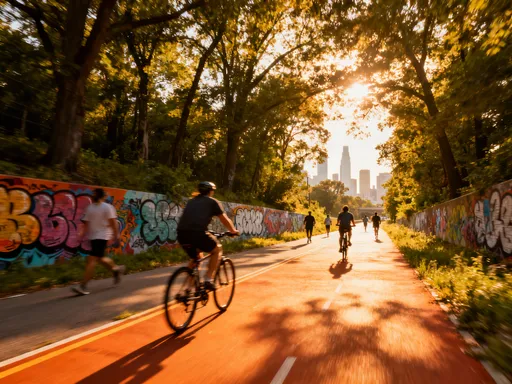
Today, over 14 miles of trail are open, with thousands of users daily—joggers, dog walkers, cyclists, and families on scooters. The Eastside Trail, stretching from Piedmont Park to Kirkwood, is perhaps the most iconic. On any given weekend, it buzzes with energy: food trucks serve local fare, artists display their work at pop-up markets, and couples pause to watch street performers. At sunset, Westside Park—Atlanta’s largest new park in decades—offers panoramic views of the skyline, with trails winding through meadows and wetlands. It’s not just a place to exercise; it’s a stage for city life.
But the BeltLine’s impact goes deeper than recreation. It has sparked economic revitalization, with over $6 billion in private investment along its corridor. New mixed-use developments, affordable housing initiatives, and small businesses have flourished. Yet, this growth comes with challenges. Gentrification pressures have raised concerns about displacement, particularly in historically Black neighborhoods like Vine City and Mechanicsville. In response, the BeltLine organization has committed to equity—allocating 20% of new housing units as affordable and investing in community land trusts. These efforts aim to ensure that long-term residents benefit from the changes, not just newcomers.
For visitors, the BeltLine offers an unparalleled way to experience Atlanta. Rent a bike from a Relay station or hop on a guided tour to learn about the art, history, and ecology along the route. Stop at murals that reflect social themes or rest at benches embedded with quotes from local leaders. Visit during the annual “BeltLine Lantern Parade,” where thousands carry handmade lanterns in a glowing procession—a celebration of light, community, and resilience. The experience is immersive, joyful, and deeply human.
Timing your visit enhances the experience. Mornings are ideal for quiet reflection, with soft light filtering through trees. Evenings bring energy, especially in summer when outdoor concerts and film screenings animate the trails. Weekdays are less crowded, perfect for a peaceful walk. Whatever the hour, the BeltLine invites you to slow down, observe, and connect—not just with the city, but with the people who shape it.
Skywalks, Streetscapes, and Hidden Passages: Navigating the Downtown Core
Downtown Atlanta operates on multiple levels—literally. Its skybridge system, one of the most extensive in the U.S., connects office towers, hotels, and attractions above street level, allowing pedestrians to traverse the core without stepping into traffic or weather. Spanning over 30 enclosed walkways, this network links key sites like the Georgia World Congress Center, State Farm Arena, and the Five Points MARTA station. For professionals, tourists, and families alike, it offers convenience, safety, and climate control—especially valuable during Atlanta’s rainy springs or hot summers.
But the city’s design isn’t just vertical—it’s also deeply human-scaled at ground level. Recent streetscape improvements have widened sidewalks, added shaded seating, and installed public art. Broad Street and Woodruff Park have been reimagined as gathering spaces, with flexible furniture and seasonal installations. The goal is to create a downtown that feels inviting, not just efficient. Compared to cities like Houston or Phoenix, where car dominance can make walking feel daunting, Atlanta has made strides in prioritizing pedestrians, even in its busiest zones.
Navigating downtown is easier with a few insider tips. Start at Five Points, the central transit hub, where multiple MARTA lines converge. From there, you can walk to the Martin Luther King Jr. National Historical Park, the Georgia Aquarium, or the Center for Civil and Human Rights. Use the skybridges to stay dry during afternoon thunderstorms, but don’t skip the street-level experience—some of the best coffee shops, bookstores, and street art are found at ground level.
Wayfinding has improved with digital kiosks and mobile apps that map routes, highlight points of interest, and provide real-time transit updates. Signage is clear and multilingual, aiding international visitors. For those with mobility challenges, elevators and ramps are widely available, though some older buildings still have limitations. The city continues to upgrade accessibility, recognizing that inclusive design benefits everyone.
What makes downtown compelling is its rhythm—a blend of civic purpose, cultural richness, and everyday life. You might pass a business meeting in a glass-walled conference room above, a protest for social justice in Liberty Plaza below, and a street musician playing soulful melodies in between. It’s a place of contrasts, where progress and history walk side by side. For visitors, especially women seeking meaningful urban experiences, downtown offers a sense of belonging, safety, and inspiration.
Neighborhood Vibes: From Old Fourth Ward to West Midtown
To know Atlanta is to know its neighborhoods—each with its own pulse, palette, and personality. The Old Fourth Ward, once a hub of African American culture and civil rights activism, now blends historic preservation with modern energy. Home to Dr. King’s birthplace and Ebenezer Baptist Church, it also hosts vibrant eateries, craft breweries, and art galleries. The transformation of the historic Ponce de Leon Avenue corridor into a walkable boulevard has made it a model of adaptive reuse, where old theaters now house restaurants and event spaces.
Just west, West Midtown has emerged as a creative and industrial-chic district. Former warehouses have been converted into design studios, fashion boutiques, and loft apartments. The area thrives on authenticity—think exposed brick, food halls with global flavors, and weekend markets featuring local artisans. Unlike sterile shopping centers, West Midtown feels lived-in, curated by people who care about quality and community. It’s a favorite among residents seeking a mix of convenience and character.
Other neighborhoods tell their own stories. Innsbruck Village offers quiet, tree-lined streets with mid-century homes, popular with families. Cabbagetown, named for a 19th-century mill owner who gave workers cabbage patches, retains its working-class roots while embracing creative renewal. East Lake has transformed from a struggling area into a model of mixed-income development, anchored by the Atlanta Braves’ Truist Park and a community-focused golf course.
What unites these districts is a commitment to walkability, public art, and local enterprise. Murals adorn alleyways, farmers markets thrive on weekends, and small businesses define the streetscape. This isn’t cookie-cutter urbanism—it’s organic growth, shaped by residents’ voices. For visitors, exploring these areas offers a richer understanding of Atlanta than any skyline view could provide. You don’t just see the city—you feel it in the rhythm of a sidewalk café, the warmth of a shopkeeper’s greeting, the pride in a freshly painted mural.
Transit & Flow: How People Move Through the City
Getting around Atlanta has long been associated with traffic, but the reality is more nuanced. While car dependency remains high due to historical sprawl, the city is steadily expanding alternatives. MARTA, the Metropolitan Atlanta Rapid Transit Authority, operates a rail and bus network serving over 400,000 riders weekly. Its four rail lines connect key nodes—downtown, Midtown, Hartsfield-Jackson International Airport, and suburban hubs like Dunwoody and Indian Creek. For visitors, the rail line is often the most efficient way to reach major attractions without navigating complex interstates.
Complementing MARTA are bike-sharing programs like Relay and Lime, with stations clustered in intown neighborhoods. The expanding trail network, including the BeltLine and PATH trails, supports safe, scenic cycling. Ride-hailing services like Uber and Lyft fill gaps, especially for last-mile trips. Many hotels and attractions now offer electric scooter rentals, adding another flexible option.
Yet challenges persist. Bus routes can be slow due to traffic congestion, and coverage in outer suburbs remains limited. Some areas lack sidewalks, making walking unsafe. These issues reflect deeper structural patterns—Atlanta’s growth was shaped by car-centric planning in the mid-20th century. But change is underway. The city has adopted a Complete Streets policy, prioritizing safe access for all users. New developments are required to include transit access, bike lanes, and pedestrian pathways.
For travelers, smart planning makes a difference. Arriving via MARTA from the airport saves time and stress. Using apps like Google Maps or Transit helps coordinate multimodal trips. Staying in walkable neighborhoods like Midtown or Old Fourth Ward reduces reliance on cars. And embracing slower modes—biking, walking, riding the streetcar—reveals hidden corners and local life that highways miss.
The shift isn’t just about convenience; it’s about equity and sustainability. When more people can move freely without a car, the city becomes more inclusive. Children can bike to school, seniors can access services, and families can enjoy car-free weekends. Atlanta’s transit evolution is a work in progress, but its direction is clear: toward a future where movement is safe, affordable, and joyful for everyone.
Designing the Future: What’s Next for Atlanta’s Urban Space?
Atlanta’s urban journey is far from over. Ambitious projects on the horizon promise to deepen its transformation. The BeltLine is set to complete its full 22-mile loop, with new trail segments and parklands in development. The Atlanta City Design Project, launched in 2017, continues to guide growth with principles of equity, beauty, and belonging. One emerging focus is the “Greenline,” a proposed 30-mile trail connecting southern Atlanta to the BeltLine, expanding access to nature for underserved communities.
Mixed-use hubs are rising near transit stations, blending housing, retail, and offices to reduce car trips. Inclusionary zoning policies aim to preserve affordability amid growth. Sustainability is central—new buildings target LEED certification, and stormwater management systems mimic natural drainage. Even urban agriculture is gaining ground, with community gardens sprouting in vacant lots and schoolyards.
What makes Atlanta’s planning stand out is its emphasis on community voice. Public workshops, design charrettes, and neighborhood councils ensure residents shape the changes they’ll live with. This participatory approach builds trust and yields better outcomes—parks that reflect local needs, streets that prioritize safety, and developments that honor history.
Other cities are watching. Atlanta’s blend of green infrastructure, transit innovation, and cultural authenticity offers lessons in how midsize American cities can grow thoughtfully. It proves that urban vitality isn’t just about skyscrapers or tech hubs—it’s about trees, trails, and the everyday moments of connection they enable.
Conclusion
Atlanta’s urban spaces do more than serve function—they create feeling. They invite you to walk under a canopy of oaks, to pause at a mural that speaks of resilience, to cross a skybridge with the city unfolding below. They remind us that great cities are not just built, but felt. In Atlanta, the pulse is real: in the rhythm of the BeltLine, the hush of a hidden garden, the hum of a neighborhood café. For travelers, especially women seeking meaningful, safe, and enriching experiences, this city offers a model of urban life that balances growth with grace, progress with soul. Come not just to see, but to move mindfully, engage deeply, and discover the heartbeat behind the skyline.