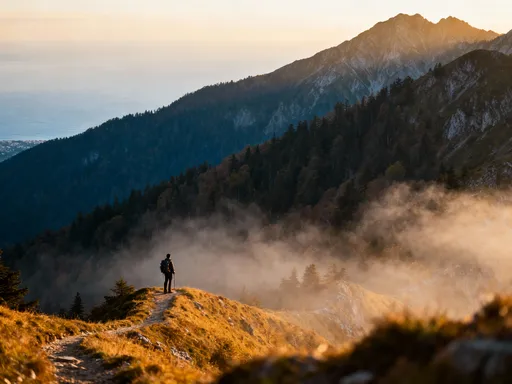
Nestled between the Black Sea and the Caucasus Mountains, Sochi isn’t just a resort city—it’s a gateway to some of Russia’s most breathtaking natural reserves. I never expected such raw wilderness just beyond the palm-lined beaches. From misty mountain trails to ancient forests echoing with bird calls, these protected areas offer a rare chance to connect with untouched nature. This is more than a trip—it’s a journey into the wild soul of southern Russia. For travelers seeking depth over distraction, Sochi’s preserved landscapes provide a sanctuary where beauty is not curated but lived. Here, every path leads not to a photo op, but to a moment of quiet awe. This guide will help you explore these lands with respect, preparation, and wonder.
Sochi Beyond the Resorts: The Hidden Pulse of Protected Nature
Sochi is widely known as Russia’s premier seaside destination, famous for its subtropical climate, elegant promenades, and vibrant summer festivals. Yet beyond the boardwalks and beachfront cafes lies a quieter, wilder side—one that few international visitors fully discover. The city is uniquely positioned at the crossroads of two powerful natural forces: the warm waters of the Black Sea and the rugged peaks of the Western Caucasus. This convergence creates an extraordinary range of ecosystems within a surprisingly compact area. What many don’t realize is that over half of Sochi’s municipal territory is designated as protected natural land, including national parks, nature reserves, and UNESCO World Heritage sites.
These protected zones are not remote or inaccessible. In fact, they begin just minutes from urban neighborhoods, where paved streets give way to forest trails and mountain streams. This proximity allows residents and visitors alike to step from city life into pristine wilderness in less than an hour. Such easy access to wild nature is rare in modern travel, where most natural attractions require long journeys or expensive expeditions. In Sochi, the wild is not an afterthought—it is woven into the city’s very identity. This duality makes Sochi a model for sustainable urban-natural coexistence, where conservation and recreation support one another.
The importance of these protected areas extends far beyond scenic value. They serve as vital refuges for biodiversity, preserving plant and animal species found nowhere else on Earth. They also play a crucial role in maintaining clean air, regulating water cycles, and protecting against landslides in mountainous terrain. For travelers, these lands offer more than scenic views—they provide opportunities for meaningful connection with nature. Whether hiking through old-growth forests or watching birds in coastal wetlands, visitors gain a deeper appreciation for ecological balance. This kind of experience is increasingly rare in a world dominated by digital noise and urban pace.
For women in their 30s to 50s—many of whom balance family, work, and personal well-being—this kind of travel offers a powerful reset. It’s not about adrenaline or luxury, but about restoration. Walking a quiet trail, listening to the wind in the trees, or pausing beside a clear mountain stream can bring a sense of calm that lingers long after the trip ends. These protected lands invite travelers to slow down, breathe deeply, and remember that nature is not just a backdrop, but a living presence. The journey into Sochi’s wild spaces is, above all, an invitation to reconnect—with the Earth, and with oneself.
The Crown Jewel: Sochi National Park – Where Mountains Meet Sea
Spanning over 1,900 square kilometers, Sochi National Park is the largest and most accessible protected area in the region. Established in 1983, it was one of the first national parks in Russia designed to balance ecological preservation with public enjoyment. The park stretches from the Black Sea coast up into the high Caucasus, encompassing a dramatic vertical gradient that supports an exceptional variety of habitats. Within its boundaries, visitors can move from subtropical lowlands to alpine meadows in a single day—a journey that mirrors traveling from southern Europe to the Arctic in terms of climate and vegetation.
The park is divided into several ecological zones, each with its own character. The coastal belt features dense thickets of hornbeam, oak, and yew, interspersed with rare boxwood groves. This zone is home to many bird species, including the eastern imperial eagle and the white-backed woodpecker, both of which are protected under Russian law. As elevation increases, the forests shift to beech and fir, creating shaded, moss-covered environments that feel timeless. Higher still, the tree line gives way to open meadows dotted with wildflowers in summer—edelweiss, gentians, and alpine asters painting the slopes in vivid color.
Sochi National Park is also a refuge for wildlife. Among its most iconic residents are the Caucasian red deer, a subspecies adapted to the region’s steep terrain and dense forests. These graceful animals are often seen at dawn or dusk, moving silently through the underbrush. The park is also one of the last strongholds of the East Caucasian tur, a wild goat-antelope with impressive curved horns that navigates rocky cliffs with ease. Smaller mammals like the Caucasian squirrel and the forest dormouse thrive in the canopy, while predators such as the lynx and brown bear maintain their presence, though sightings are rare and usually limited to remote zones.
For visitors, the park offers a well-developed but carefully managed network of trails, observation points, and visitor centers. Entry is permitted at designated gates, and all visitors are required to register and follow established rules to minimize environmental impact. Permitted activities include hiking, birdwatching, nature photography, and educational tours. Camping is allowed only in designated areas, and open fires are strictly prohibited to prevent forest fires. The park authorities also limit group sizes and discourage loud noises to protect both wildlife and the experience of other visitors.
One of the most popular entry points is the Akhshtyr Gorge, located about 30 kilometers north of central Sochi. This area features a well-maintained trail that follows the Mzymta River through a narrow canyon, with interpretive signs explaining the geology and ecology of the region. Another favored destination is the Khosta River Valley, known for its lush vegetation and easy access from the city. For those seeking a greater challenge, the route to Mount Akhun offers panoramic views from the highest point near Sochi, accessible by foot or a scenic forest road.
What makes Sochi National Park truly special is its ability to accommodate both casual visitors and serious nature enthusiasts. A family can enjoy a gentle walk through a forested glade, while an experienced hiker can embark on a multi-day trek through remote valleys. The park’s management ensures that recreation does not come at the expense of conservation. Rangers patrol regularly, and environmental education programs help visitors understand the importance of protecting this fragile landscape. In this way, the park serves as a living example of how people and nature can coexist in harmony.
Mountain Escape: Exploring the Western Caucasus UNESCO Site
Just beyond the boundaries of Sochi National Park lies an even more pristine and ecologically significant area—the Western Caucasus UNESCO World Heritage Site. Designated in 1999, this vast protected region covers over 275,000 hectares and represents one of the largest remaining tracts of undisturbed mountain forest in Europe. Unlike many other World Heritage sites, the Western Caucasus is not defined by cultural monuments, but by its exceptional natural integrity. It is a place where ecosystems have evolved with minimal human interference, preserving ancient processes that have disappeared elsewhere on the continent.
The heart of this region is its old-growth beech forests, some of the most extensive and biologically rich in the world. These forests are home to a remarkable diversity of life, including many endemic species—plants and animals found nowhere else. Among them is the Caucasian snowcock, a high-altitude bird with distinctive calls that echo across the ridges, and the critically endangered Caucasian parsley frog, a small amphibian dependent on clean, cold streams. The region also supports rare plants like the Caucasian rhododendron and the Sochi geranium, both of which thrive in the moist, shaded understory.
What strikes visitors most about the Western Caucasus is its sense of remoteness. There are no major roads, no ski resorts, and no large tourist facilities. The landscape remains wild, shaped by wind, water, and time rather than development. Trails are fewer and less marked than in the national park, and access is often limited to guided groups or experienced hikers with proper permits. This intentional seclusion is not a barrier, but a protection—a way to ensure that the area’s ecological balance is not disrupted by overuse.
For those who do visit, the experience is deeply rewarding. Guided eco-trails offer a safe and educational way to explore the region. Knowledgeable local guides lead small groups through forested valleys, pointing out animal tracks, edible plants, and signs of seasonal change. Wildlife observation is done quietly and from a distance, using binoculars and patience rather than intrusion. Some tours include overnight stays in basic mountain huts, where the only sounds at night are the wind and the occasional call of an owl.
It is important to emphasize that off-trail exploration is strongly discouraged. The terrain is fragile, and even minor disturbances can have long-term consequences. Soil erosion, trampling of rare plants, and accidental fires are real risks in such a delicate environment. The principle of “leave no trace” is not just a suggestion here—it is a necessity. Visitors are expected to carry out all waste, avoid picking plants, and refrain from feeding or approaching animals. Drones are prohibited, as their noise can disturb wildlife and disrupt the natural soundscape.
The Western Caucasus is not a place for thrill-seeking or casual tourism. It is a sanctuary for those who seek stillness, depth, and a genuine connection with the natural world. For women who have spent years managing households, careers, and relationships, this kind of quiet immersion can be profoundly healing. There is no agenda, no schedule—just the rhythm of the forest and the mountain. In this space, it becomes possible to remember that one does not need to be productive to be valuable. Simply being present, observing, and breathing deeply is enough.
Best Times to Visit: Matching Seasons to Your Adventure Style
One of the great advantages of Sochi’s protected areas is that they offer rewarding experiences in every season. Unlike many mountain destinations that are accessible only in summer, this region’s varied elevation and microclimates allow for year-round exploration. However, each season brings its own conditions, challenges, and unique rewards, making timing a crucial factor in planning a visit.
Spring, from late March to early June, is a time of renewal. As snow melts in the higher elevations, waterfalls swell and rivers rush with fresh runoff. The lower forests come alive with wildflowers—primroses, anemones, and yellow jasmine blanket the forest floor. Birdwatchers will find this an ideal time, as migratory species return and breeding activity peaks. However, trails can be muddy, and some high-altitude routes remain snow-covered until May. Waterproof boots and layered clothing are essential. This season is perfect for those who enjoy gentle hikes and the quiet beauty of awakening nature.
Summer, from June to August, offers the most stable weather and full access to high mountain trails. Temperatures in the lowlands can reach 28–30°C, but higher elevations remain cool and refreshing. This is the peak season for hiking, photography, and family outings. Wildflowers bloom in alpine meadows, and butterflies fill the air. However, it is also the busiest time, especially on weekends. To avoid crowds, it is advisable to start hikes early in the morning or choose less popular trails. Sun protection, hydration, and insect repellent are important considerations. This season suits travelers who want a balance of comfort and adventure.
Autumn, from September to early November, is often considered the most beautiful time to visit. The forests transform into a tapestry of gold, red, and amber as beech and maple leaves change color. The air is crisp, and visibility is excellent, making it ideal for long-distance views. This is also a good time for mushroom foraging, though only with an experienced guide, as some species are toxic. Weather can be variable, with occasional rain, so waterproof gear is recommended. Autumn attracts photographers, nature lovers, and those seeking a more reflective, peaceful experience.
Winter, from December to February, turns the higher elevations into a snowy landscape perfect for cross-country skiing and snowshoeing. While most lowland trails remain accessible, alpine routes require proper equipment and experience. The silence of the snow-covered forest is profound, and animal tracks in the snow offer clues to hidden wildlife. Temperatures can drop below freezing at night, so warm layers, insulated boots, and thermal gear are necessary. This season is best for those who enjoy solitude and the unique beauty of winter nature.
Regardless of the season, it is wise to check local weather forecasts and trail conditions before setting out. The Caucasus Mountains are known for sudden changes in weather, and even in summer, afternoon storms can arise. Carrying a reliable map, a fully charged phone, and emergency supplies is always recommended. By aligning your visit with your preferred pace and interests, you can ensure a safe, enjoyable, and deeply fulfilling experience in Sochi’s wild lands.
Getting There and Around: Navigating the Wild Side of Sochi
Reaching Sochi’s protected areas is easier than many expect, thanks to the city’s well-connected transportation network. Most international visitors arrive at Sochi International Airport in Adler, located just 30 kilometers south of the city center. From there, a range of options makes it possible to reach park entrances without a car. Public buses and minibuses (known locally as marshrutkas) run regularly to key trailheads such as Krasnaya Polyana and Akhshtyr. These services are affordable and reliable, though schedules may vary on weekends and holidays.
For greater flexibility, shared shuttles and private transfers offer a convenient alternative. Many eco-tour operators provide door-to-trailhead service, often including a guide and basic equipment. This is especially helpful for first-time visitors unfamiliar with the terrain or language. Guided tours also ensure that visitors enter the parks legally, follow conservation rules, and gain deeper insight into the natural and cultural history of the area.
Those who prefer independent travel can rent a car, which allows access to more remote trailheads and greater control over timing. However, mountain roads can be narrow and winding, and parking at popular sites may be limited. It is important to note that some areas require permits for vehicle entry, and GPS navigation should be supplemented with offline maps, as signal can be weak in valleys and forests.
Once inside the parks, trailheads are generally well-marked with signs in Russian and sometimes English. Information boards display maps, safety guidelines, and rules for visitors. However, not all trails are equally maintained, and some may lack clear signage, especially in the UNESCO zone. For non-Russian speakers, downloading a translation app or carrying a printed phrasebook can be helpful for communicating with rangers or local guides.
Public infrastructure is functional but not always polished. Restrooms, if available, are basic. Drinking water is not always accessible, so carrying a filtration system or enough bottled water is essential. Mobile phone coverage varies—strong in lowland areas, spotty in high mountains. Informing someone of your itinerary and expected return time is a simple but important safety measure.
The key to a smooth journey is preparation. Researching routes in advance, checking transport schedules, and understanding entry requirements can prevent unnecessary delays. For women traveling alone or in small groups, joining a reputable tour or traveling with a local contact adds both safety and depth to the experience. With thoughtful planning, navigating Sochi’s wild side becomes not a challenge, but part of the adventure.
What to Pack and What to Know: Essential Tips for a Smooth Journey
Packing wisely can make the difference between a comfortable exploration and a difficult ordeal. The mountainous terrain and variable weather demand practical, high-quality gear. Sturdy hiking boots with good ankle support are essential—many trails are rocky, uneven, or slippery, especially after rain. Moisture-wicking clothing in layers allows for temperature regulation as conditions change throughout the day. A waterproof jacket and thermal mid-layer are recommended, even in summer, as weather can shift quickly at higher elevations.
A reliable backpack with a waist strap helps distribute weight during long hikes. Essentials to include are a refillable water bottle or hydration bladder, a portable water filter or purification tablets (natural streams should not be drunk untreated), high-energy snacks, a first-aid kit, and a headlamp or flashlight. Sun protection—hat, sunglasses, and sunscreen—is important, as UV exposure increases with altitude. Insect repellent is also crucial, particularly in spring and summer, when ticks are active.
Health and safety should not be overlooked. Ticks in this region can carry diseases such as tick-borne encephalitis and Lyme disease. To reduce risk, wear long sleeves and pants, tuck pant legs into socks, and perform thorough tick checks after each hike. If traveling during warmer months, vaccination against tick-borne encephalitis is advisable and available in many countries. Knowing the location of the nearest medical facility and carrying emergency contact numbers is also prudent.
Understanding park regulations ensures a respectful and lawful visit. Camping is permitted only in designated zones, and open fires are forbidden. Drones may not be flown without special permission. Collecting plants, disturbing animals, or removing natural objects is strictly prohibited. Waste must be carried out—there are no trash bins on most trails. Noise should be kept to a minimum to avoid disturbing wildlife and other visitors.
Practicing good trail etiquette enhances everyone’s experience. Yielding to uphill hikers, staying on marked paths, and greeting fellow travelers with a smile fosters a sense of shared respect. Traveling in small groups reduces environmental impact and allows for deeper connection with the surroundings. For those seeking solitude, choosing less popular trails or visiting on weekdays can provide a more peaceful experience.
By preparing thoughtfully and traveling mindfully, visitors can enjoy Sochi’s wild beauty while helping to preserve it for future generations. This kind of travel is not about conquering nature, but about moving through it with humility and care. For women who value both adventure and well-being, these principles offer a way to explore the world with confidence and compassion.
Why This Journey Matters: Protecting Sochi’s Wild Legacy
Visiting Sochi’s protected lands is more than a personal escape—it is an act of connection and responsibility. In a time of rapid environmental change, these wild spaces serve as vital refuges for biodiversity and as living classrooms for ecological awareness. Every step taken on a forest trail, every bird observed through binoculars, every quiet moment by a mountain stream contributes to a deeper understanding of nature’s value. This awareness is the first step toward stewardship.
Tourism, when done responsibly, plays a positive role in conservation. Entrance fees, guided tours, and eco-lodges generate revenue that supports park management, ranger patrols, and restoration projects. Local communities benefit through employment and cultural exchange, creating incentives to protect rather than exploit natural resources. When visitors choose sustainable options—small groups, local guides, low-impact practices—they help ensure that tourism strengthens rather than strains the environment.
Long-term engagement can deepen this impact. Some visitors choose to participate in citizen science projects, such as bird counts or plant monitoring, contributing valuable data to conservation efforts. Others volunteer with reforestation initiatives or clean-up campaigns. Even simple actions—sharing photos with educational captions, supporting eco-conscious businesses, or teaching children about nature—help spread a culture of care.
The legacy of Sochi’s wild lands depends on collective action. These places are not immune to threats—climate change, illegal logging, and unregulated tourism all pose risks. But with informed, compassionate visitors, there is hope. Each person who explores these forests, mountains, and rivers with respect becomes a guardian of their future.
For women who have nurtured families, homes, and communities, this kind of travel offers a meaningful extension of care—from the personal to the planetary. In the stillness of the forest, one remembers that protection is not limited to people and homes, but extends to rivers, trees, and animals. Nature gives freely—clean air, beauty, peace—and in return, it asks only for mindfulness.
So go ahead—plan your journey, pack your boots, and step into the wild. Explore deeply. Leave lightly. And carry with you the quiet certainty that wonder still exists, and that it is worth preserving. In Sochi’s untamed protected lands, the soul of nature remains alive, waiting to be seen, heard, and honored.