Nestled where the Atlantic meets elegant shores, Punta del Este’s quieter cousin, Punta del Diablo, often steals the spotlight—but I’m talking about Punta del Este itself, where high life and heritage blend in unexpected ways. I didn’t expect vibrant culture in this jet-set playground, but between tango under the stars, artisan markets, and seaside theater, I was hooked. If you think it’s all luxury yachts and beaches, think again—this city pulses with authentic Uruguayan soul. Let me show you how to experience it like a local, not just a tourist.
First Impressions: Beyond the Glamour of Punta del Este
Punta del Este is often portrayed as the playground of the rich and famous, a glittering coastal escape where designer boutiques line the boulevards and superyachts dot the harbor. While these elements are real, they only tell part of the story. Beyond the polished façade lies a city deeply rooted in Uruguayan tradition, where culture thrives in unexpected corners. The blend of modern architecture and colonial-era buildings in the Barrio Histórico district creates a visual narrative of evolution and preservation. Cobblestone streets lead to quiet plazas where elders sip mate and children play fútbol, offering a glimpse into everyday life far removed from the glossy brochures.
Many visitors come for the beaches—Brava and Mansa, divided by the iconic La Mano sculpture—and leave without venturing beyond the shore. Yet those who pause to explore discover that Punta del Este’s true charm lies in its layered identity. The city’s reputation as a luxury destination often overshadows its artistic depth, but a shift in perspective reveals a different rhythm. It’s not just about sunbathing or shopping; it’s about connection. Locals take pride in their heritage, from music to cuisine to craftsmanship, and they welcome curious travelers who show genuine interest. By approaching the city with openness rather than expectation, visitors uncover a richer, more authentic experience.
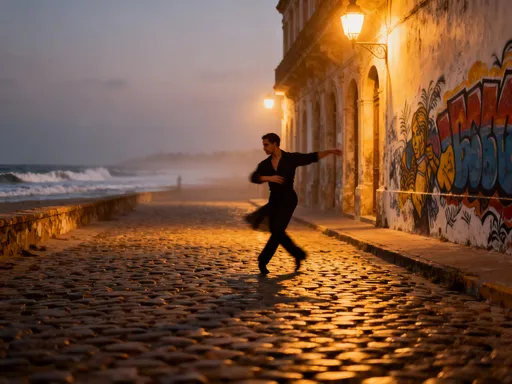
What makes this duality so compelling is how seamlessly the modern and traditional coexist. A high-end seafood restaurant might feature live tango performances on weekends, while a contemporary art gallery could be housed in a restored 19th-century villa. This harmony isn’t forced—it’s natural, born from a society that values both progress and preservation. For the mindful traveler, especially women who appreciate meaningful experiences, Punta del Este offers more than leisure; it offers insight into a culture that celebrates elegance, warmth, and creativity in equal measure.
The Heartbeat of the City: Year-Round Cultural Calendar
One of the most rewarding ways to engage with Punta del Este is through its vibrant cultural calendar, which remains active throughout the year. While the summer months—from December to March—bring the most concentrated events, there’s always something unfolding that reflects the city’s artistic pulse. The Verano en la Costa festival is a highlight, transforming public spaces into stages for music, dance, and theater. Organized by the Ministry of Education and Culture, this government-supported initiative ensures accessibility, with most events free to the public. Families gather on grassy lawns, couples stroll through open-air exhibitions, and solo travelers find community in shared appreciation.
Classical music lovers should not miss the performances at Teatro del Lago, an elegant venue nestled near the waterfront. Hosted by the Fundación Konex and local conservatories, the summer concert series features Uruguayan and international musicians performing everything from symphonies to chamber ensembles. The acoustics are exceptional, and the atmosphere is intimate, allowing audiences to feel close to the artistry. Tickets are affordably priced, and early booking is recommended, especially for weekend shows. For those who prefer a more casual setting, the city’s outdoor film screenings offer cinematic delights under the stars. Held in Parque Rivera and Plaza Artigas, these events showcase both classic Uruguayan cinema and international titles with Spanish subtitles.
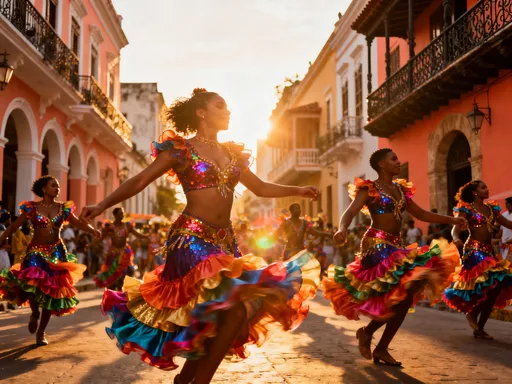
Seasonal timing enhances the experience. January, in particular, is a cultural peak, with the Festival Internacional de Tango drawing dancers and enthusiasts from across South America. Public workshops precede the evening performances, inviting visitors to learn basic steps before watching professionals glide across illuminated dance floors. These events are not performances behind glass; they are invitations to participate. Children’s theater, poetry readings, and craft fairs are also woven into the calendar, ensuring that cultural engagement is inclusive and intergenerational. The city’s commitment to keeping the arts accessible means that even budget-conscious travelers can immerse themselves fully in the local scene.
Art That Speaks: Exploring Local Galleries and Street Murals
Punta del Este’s visual arts scene is both sophisticated and welcoming, offering a spectrum from curated museum exhibitions to spontaneous street expressions. The Museo de Arte Americano, located in a serene villa surrounded by native gardens, houses an impressive collection of 20th-century Latin American works. Pieces by Uruguayan masters like Joaquín Torres García and Carlos Páez Vilaró are displayed alongside regional contemporaries, providing context for the country’s artistic lineage. The museum’s layout encourages contemplation, with natural light filtering through large windows and quiet courtyards ideal for reflection. Admission is modest, and guided tours in English are available on weekends, making it accessible for international visitors.
Equally compelling are the smaller, independent galleries scattered through the Barrio Histórico. These spaces often feature rotating exhibitions by emerging artists, with themes ranging from coastal ecology to social identity. Many operate on a cooperative model, allowing artists to share costs and curate collectively. Stepping into one of these galleries feels personal—an opportunity to speak directly with creators, hear their inspirations, and even commission custom pieces. Some offer short workshops, such as linocut printing or watercolor techniques, perfect for travelers who enjoy hands-on creativity. These interactions foster deeper understanding and create lasting memories beyond the typical souvenir.
Public art is another powerful medium through which Punta del Este expresses its identity. Murals adorn building facades, bridges, and even stairways leading to the beach. Many were created through community-led initiatives supported by the municipal arts council, aiming to beautify neighborhoods while telling local stories. One notable project transformed a formerly neglected alley into a vibrant corridor of color, depicting scenes of fishing traditions, indigenous heritage, and environmental stewardship. Guided art walks, offered by local cultural associations, provide context and background, turning a simple stroll into an educational journey. These tours are often led by artists or art historians who share insights into symbolism, technique, and the social messages embedded in the work.
Taste of Tradition: Cultural Expression Through Food & Music
In Uruguay, culture is not confined to galleries or theaters—it is served on plates and played on guitars in plazas at dusk. Punta del Este offers abundant opportunities to experience this living tradition, where food and music intertwine to create moments of connection and celebration. The asado, Uruguay’s national barbecue, is more than a meal; it’s a ritual. Families and friends gather for hours around the parrilla, sharing stories as meats sizzle slowly over wood fire. Several restaurants in the city, such as El Palenque and La Choza, offer traditional asados with live folk music, allowing visitors to witness the full sensory experience.
Weekend ferias, or markets, are another cornerstone of cultural life. The Feria Artesanal de Punta del Este, held every Sunday along Avenida Gorlero, is a feast for the senses. Vendors display handmade leather goods, woolen textiles, ceramics, and jewelry, many crafted using ancestral techniques. The air is rich with the scent of grilled choripán and freshly brewed mate. Local musicians often perform on small stages, playing candombe rhythms on traditional drums or folk tunes on the guitar and accordion. These markets are not staged for tourists; they are genuine community gatherings where locals shop, socialize, and celebrate their crafts.
Evenings often lead to peñas—informal music gatherings in small venues or private homes—where singers and musicians perform traditional Uruguayan genres like murga, milonga, and payada. While some peñas are invitation-only, others welcome respectful visitors, especially during festival seasons. Places like Casa de la Cultura occasionally host public peñas, providing a safe and authentic entry point for travelers. The music is heartfelt, the lyrics often poetic, reflecting themes of love, nature, and national pride. For women who appreciate emotional depth and storytelling, these moments offer a profound window into the Uruguayan spirit.
Off the Beaten Path: Hidden Cultural Gems Locals Love
Away from the main avenues and tourist hubs, Punta del Este reveals quieter, more intimate expressions of culture. In residential neighborhoods like El Remanso and Parque Residencial, community centers host weekly dance classes, from tango to folkloric styles. These sessions are open to visitors and typically cost only a small fee. Participating—even as an observer—provides insight into how locals maintain cultural traditions through practice and joy. The instructors are often retired dancers or passionate volunteers who teach not for profit, but for preservation.
Small theaters such as Teatro del Lago Chico and Sala Murga present plays written by Uruguayan playwrights, many addressing social themes with humor and heart. Performances are in Spanish, but the physicality of the acting and the emotional resonance often transcend language. Some shows include program notes in English, and intermissions offer chances to chat with audience members. Craft cooperatives in these neighborhoods also invite engagement. Groups of women gather to weave, knit, and create traditional embroidery, sometimes offering short workshops for visitors. These spaces are not commercial; they are acts of cultural continuity, where skills are passed from generation to generation.
Another hidden gem is the Biblioteca Pública, a public library that doubles as a cultural hub. It hosts poetry readings, book launches, and lectures on Uruguayan history and ecology. The architecture is modest but inviting, with reading nooks overlooking a small garden. It’s a place where locals come to learn and connect, and where travelers can sit quietly, absorb the atmosphere, and perhaps strike up a conversation. These off-the-beaten-path experiences require no special status or wealth—only curiosity and respect. They remind us that culture is not a performance, but a way of life.
Planning Your Cultural Journey: Timing, Tickets, and Transport Tips
To fully embrace Punta del Este’s cultural offerings, a bit of planning goes a long way. The best time to visit for cultural immersion is between December and February, when the city’s festival calendar is fullest. However, shoulder months like November and March offer milder weather, fewer crowds, and still-active programming. Checking the official tourism website of Uruguay—turismo.gub.uy—before departure allows travelers to download the latest event schedules, including dates, times, and locations. Many events are free, but reserved seating for concerts or theater performances may require advance registration.
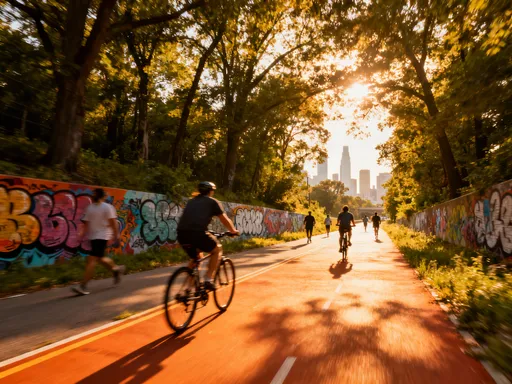
Transportation within the city is straightforward. A reliable bus network connects major neighborhoods, with clear signage in Spanish and English. Tickets can be purchased on board or via the MOVI card, a reloadable smart card available at kiosks. For greater flexibility, bike rentals are widely available and encouraged, with dedicated lanes along the waterfront. Cycling not only reduces environmental impact but also allows travelers to discover hidden plazas, murals, and small galleries at their own pace. Taxis and ride-sharing services are safe and reasonably priced, ideal for evening outings when returning from theater or music events.
Accommodation choices can also enhance the cultural experience. Staying in the Barrio Histórico or near Parque Rivera places visitors within walking distance of many events and local hangouts. Family-run guesthouses often provide personalized recommendations, such as where to find the best empanadas or which peña is welcoming visitors that week. Rather than over-scheduling, it’s wise to leave room for spontaneity—culture often reveals itself in unplanned moments, like stumbling upon a street musician or being invited to a neighborhood celebration. Packing comfortable shoes, a light jacket for evening breezes, and a notebook to capture impressions can make the journey more enriching.
Why Culture Transforms Travel: A Deeper Connection to Uruguay
Engaging with Punta del Este’s culture does more than fill a vacation itinerary—it transforms the way we see and remember a place. When we listen to a tango singer’s mournful melody, taste the smoky depth of a slow-cooked asado, or stand before a mural painted with national pride, we move beyond observation to connection. These experiences imprint themselves not just in photographs, but in emotion and understanding. For women who travel to grow, to reflect, and to find beauty in authenticity, such moments are invaluable.
Cultural immersion also aligns with responsible tourism. By attending local events, buying from artisans, and dining at family-owned restaurants, travelers support the very communities that keep traditions alive. This kind of tourism honors the destination, ensuring that growth does not come at the cost of erasure. It fosters mutual respect—visitors show appreciation, and locals feel seen. Over time, these interactions build bridges, not just between nations, but between hearts.
The memories that last are rarely of luxury hotels or expensive purchases. They are of a shared laugh during a dance lesson, the warmth of a stranger offering a taste of homemade dulce de leche, or the quiet awe of a poetry reading beneath the stars. These are the stories we carry home, the ones we tell around kitchen tables and pass down to loved ones. They remind us that travel is not about escape, but about expansion—of perspective, empathy, and spirit.
Punta del Este, for all its glamour, is ultimately a city of soul. It invites us to look deeper, to listen closely, and to participate with humility. In doing so, we don’t just visit Uruguay—we connect with it. And in that connection, we find not only the essence of a place, but a little more of ourselves.