You think you know Central Asian food? Wait until you hit the streets of Bukhara. I didn’t expect my taste buds to go on such a wild ride—some bites were pure magic, others? Total traps. From sizzling skewers to mysterious stews, the city’s food scene is rich but full of pitfalls. This is real talk: what to embrace, what to skip, and how to eat like a local without regrets. Bukhara, a UNESCO World Heritage site nestled in Uzbekistan’s arid heart, offers more than ancient mosques and silk-carved courtyards. Its true soul lives in the steam rising from clay ovens, the sizzle of lamb on open grills, and the quiet hum of chaikhanas where generations gather over tea. But for the uninitiated traveler, especially those used to curated dining experiences, the culinary landscape can be overwhelming. The aromas are intoxicating, the colors vibrant, and the hospitality unmatched—but not every dish tells an honest story. This guide cuts through the noise, offering clarity, confidence, and a deeper appreciation for one of Central Asia’s most underrated food destinations.
Arrival in Bukhara: First Bites, First Mistakes
Stepping into the old city of Bukhara is like entering a living museum. Cobblestone alleys wind beneath centuries-old madrassahs, and the scent of cumin, cumin, and wood smoke fills the air. For many visitors, the first instinct is to eat—immediately. And why not? Vendors proudly display golden sambusas, bubbling pots of plov, and skewers of marinated meat, all glowing under the desert sun. The temptation is real, and so are the consequences of giving in too quickly. One of the most common missteps newcomers make is ordering food from the first stall they see, especially near major landmarks like Lyab-i Hauz or the trading domes. These spots are convenient, yes, but they cater almost exclusively to tourists, meaning lower ingredient quality, reheated dishes, and inflated prices.
The truth is, appearance can be deceiving. A dish may look authentic—richly colored, generously portioned, served with a smile—but if it’s been sitting under a heat lamp for hours, it loses more than just temperature; it loses integrity. Greasiness becomes overwhelming, spices turn flat, and textures turn soggy. I learned this the hard way after biting into a sambusa that promised spiced meat and onions but delivered a mouthful of oil-soaked dough and lukewarm filling. It wasn’t just disappointing—it made me sluggish for the rest of the day. The culprit? Over-frying and poor oil management, common in high-traffic tourist zones where speed trumps care.
So how do you avoid this trap? Begin by resisting the urge to eat right away. Take a walk, observe, and let your instincts guide you. Look beyond the bold signs and smiling vendors. Instead, watch where locals go. Are they stopping at a small storefront tucked between a carpet shop and a spice stall? Are they carrying containers of food from a modest-looking oven? These are the quiet signals of authenticity. A genuine food culture doesn’t shout; it simmers. By delaying that first bite, you give yourself time to distinguish between performance and tradition.
Plov: More Than Just Rice—Know the Real Deal
If there’s one dish that defines Bukharan cuisine, it’s plov. Also known as osh, this hearty rice dish is more than a meal—it’s a ritual, a symbol of generosity, and often the centerpiece of family gatherings, weddings, and religious holidays. But not all plov is created equal. The real deal is a masterpiece of slow cooking, where every ingredient plays a precise role. At its core, authentic Bukharan plov features long-grain rice, tender chunks of lamb or beef, yellow carrots slow-cooked in rendered sheep fat (known as qurdiuq), and a rich, golden broth that infuses the rice with deep, savory flavor. The use of animal fat is essential—it’s not about indulgence, but about tradition and taste. Vegetable oil simply cannot replicate the depth that sheep fat provides.
Unfortunately, many budget restaurants and tourist-focused eateries cut corners. They substitute sheep fat with sunflower oil, pre-cook the rice, and reheat portions throughout the day. The result? A greasy, mushy version that lacks complexity and leaves a waxy film on the palate. Another red flag is plov served lukewarm or with dry, overcooked meat. True plov should be hot, fragrant, and slightly sticky, with rice grains that cling together without turning to mush. The carrots should be soft but not disintegrated, and the meat should fall apart with minimal effort.
To find the best plov, look for signs of high turnover and fresh preparation. Busy stalls with large cauldrons (kazans) actively cooking over open flames are a good start. Even better? Places where you see locals lining up, especially around midday. Some of the most respected plov makers operate out of home kitchens or small neighborhood eateries known only to residents. If you’re invited to a local home, accept without hesitation—this is where you’ll taste plov at its finest. And don’t skip the sides: a small bowl of kimiz (fermented mare’s milk) or a handful of dried apricots and raisins can balance the richness of the dish perfectly.
Sambusa: When Crispy Turns Risky
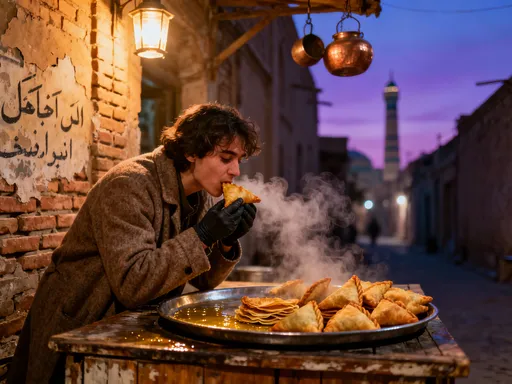
No visit to Bukhara is complete without trying sambusa, the Central Asian cousin of the samosa. These triangular pastries, deep-fried to a golden crisp, are filled with spiced meat, pumpkin, or potatoes and onions. When fresh, they are a revelation—flaky on the outside, juicy within, with just enough heat to awaken the senses. But sambusa also represents one of the biggest food risks for travelers. The problem isn’t the recipe; it’s the timing. Sambusas that sit out for hours, especially in the midday heat, absorb oil and lose their texture. What was once crisp becomes soggy, and the filling can turn rancid if not stored properly.
Temperature is the key indicator. A properly fried sambusa should be served hot—so hot that you need to let it cool for a moment before biting in. If it feels lukewarm or greasy to the touch, it’s likely been sitting too long. Another warning sign is the oil itself. Fresh frying oil is light in color and clean in smell. If the oil in the vat looks dark or smells off, walk away. Reusing oil multiple times not only affects flavor but can also lead to digestive discomfort, especially for those unaccustomed to rich, fried foods.
To enjoy sambusa safely, seek out places where they’re made to order or in small batches throughout the day. Morning markets are ideal, as vendors often fry fresh batches early for breakfast crowds. Family-run shops near residential areas are also reliable, as they tend to prioritize quality over volume. When in doubt, pair your sambusa with a cooling side—plain yogurt, fresh cucumber slices, or a glass of ayran (a salty yogurt drink) can help neutralize the oil and aid digestion. And if you’re unsure about a vendor, watch what locals order. If they’re grabbing sambusas to go, it’s a good sign they’re fresh. If they’re skipping them entirely, take note.
Non: The Unsung Hero of Every Meal
While plov and sambusa steal the spotlight, non—the round, dimpled Uzbek flatbread—plays a quiet but essential role in every meal. Baked in a tandoor (clay oven), non is more than just bread; it’s a cultural staple, often placed at the center of the table as a symbol of hospitality. Its slightly charred surface, soft interior, and subtle smokiness make it the perfect companion to rich stews, grilled meats, and even sweet dishes. In Bukhara, non is so revered that it’s considered disrespectful to place it upside down or throw it away. Leftovers are often saved for the next meal or shared with neighbors.
But not all non is created equal. The best is baked fresh each morning, still warm from the tandoor, with a crisp outer crust and a pillowy center. You can usually spot a good tandoor by the line of locals waiting with cloth bags, ready to carry home their daily bread. These neighborhood ovens, often tucked into alleyways or behind unassuming doors, are the heart of the community. The bakers—usually men with years of experience—shape the dough by hand, stamp it with a traditional pattern, and slide it into the scorching oven using long wooden paddles.
Where you run into trouble is in low-end restaurants or tourist cafes that buy pre-baked non in bulk. Stale bread loses its aroma and becomes tough or dry. Worse, some places reheat old non in electric ovens, which strips away the smoky tandoor flavor entirely. To ensure quality, always ask if the non is fresh. If you’re dining at a local home or small chaikhana, it’s perfectly acceptable to point to the bread and ask, “Yangi?” (Is it fresh?). The answer will usually be clear from the baker’s expression. For the full experience, visit a tandoor early in the morning—around 6 or 7 a.m.—when the first batches come out. Buy a warm loaf, tear off a piece, and savor it with a spoonful of honey or clotted cream. It’s a simple pleasure, but one that connects you directly to centuries of tradition.
Meat on a Stick: Shashlik Done Right (and Wrong)
Shashlik—the Uzbek term for skewered, grilled meat—is one of Bukhara’s most beloved street foods. Whether it’s tender lamb, juicy beef, or marinated chicken, a well-made shashlik should be smoky, flavorful, and perfectly charred on the outside while remaining moist within. But the quality varies dramatically depending on where and how it’s prepared. The best shashlik comes from small grills set up in courtyards or side streets, where meat is marinated overnight in vinegar, onions, and spices, then grilled over glowing embers. The result is meat that’s tender, aromatic, and deeply satisfying.
The pitfalls begin with poor handling. Some vendors leave meat exposed to dust and flies, especially in busy market areas. Others use low-quality cuts that are tough or fatty, or reuse skewers without proper cleaning. One of the most common issues is overcooking—chicken shashlik, in particular, can become dry and rubbery if left on the grill too long. Another red flag is excessive spice. While Uzbek cuisine uses spices thoughtfully, some tourist-focused stalls over-season meat to mask lower quality. If your shashlik tastes overwhelmingly of cumin or garlic, it might be a cover-up.
To eat shashlik like a local, go where the locals go—usually in the late afternoon or early evening, when families gather for dinner. Look for grills with high turnover, where skewers are constantly being flipped and served. Ask for “qo’zi” (lamb) if you want the most authentic experience, as it’s considered the premium choice. And don’t be afraid to specify your preference—many vendors will adjust cooking time if you ask. Pair your shashlik with fresh non, sliced onions, and a cold glass of green tea. It’s a simple combination, but one that lets the meat shine.
Hidden Gems: Where Locals Actually Eat
While the main tourist areas of Bukhara are full of restaurants with English menus and polished interiors, the most authentic dining experiences happen off the beaten path. Forget Registan Square and the souvenir-lined alleys—true culinary treasures are found in quiet side streets, residential makhallas (neighborhoods), and unmarked chaikhanas where the walls are painted with floral motifs and the tables are shared. These places don’t advertise. They don’t need to. Their reputation is built on word of mouth, generations of loyalty, and the simple truth that the food is excellent.
One of the best ways to find these spots is to follow the locals. Notice where people go during lunchtime. Are they heading into a courtyard behind a blue door? Are they sitting on low stools under a grapevine, sharing a pot of tea? These are the signs of a real chaikhana. Unlike tourist restaurants, these places often have no menu—just a nod toward the kitchen, and whatever is cooking that day appears on your table. You might be served a steaming bowl of shurpa (a clear meat and vegetable soup), a plate of fresh sambusa, or a simple salad of tomatoes, cucumbers, and herbs.
Language can be a barrier, but it doesn’t have to be. Learning a few basic phrases in Uzbek or Russian—like “Nima pishirilyapti?” (What are you cooking?) or “Tavsiya bering” (What do you recommend?)—can go a long way. A smile and a willingness to try whatever is offered will earn you respect and often better treatment. Don’t expect fast service or Western-style presentation. Instead, embrace the pace, the warmth, and the sense of community. These meals aren’t about Instagrammable plating—they’re about connection.
Final Tips: How to Eat Smart in Bukhara
Eating in Bukhara can be one of the most rewarding parts of your journey—if you do it wisely. Start with hygiene. Carry hand sanitizer and use it before eating, especially when dining at street stalls. Drink only bottled water, and avoid ice in drinks unless you’re certain it’s made from purified water. While tap water is treated, it can still upset sensitive stomachs, especially during the first few days.
Pace yourself. Bukharan cuisine is rich, filling, and often heavy on meat, fat, and carbohydrates. Eating too much too quickly can lead to fatigue and discomfort. Balance your meals with fresh ingredients—cucumbers, tomatoes, herbs like dill and parsley, and green tea are excellent for digestion. Don’t feel pressured to try everything in one day. Spread your culinary exploration over several days, allowing your body to adjust.
Be curious, but cautious. It’s wonderful to step outside your comfort zone, but know your limits. If a dish looks questionable—discolored, overly greasy, or poorly stored—it’s okay to say no. Trust your instincts. At the same time, don’t let fear keep you from trying new things. Some of the best meals come from the most unassuming places. Ask questions, observe, and let local behavior guide your choices.
Conclusion
Eating in Bukhara isn’t just about flavor—it’s about navigation, respect, and awareness. The city offers unforgettable tastes, but only if you know how to choose wisely. By avoiding common food traps and seeking authenticity, your culinary journey becomes more than a meal—it becomes a true connection to culture, tradition, and place. Let every bite be informed, every choice intentional. When you sit down to a plate of steaming plov, tear into a warm non, or savor a perfectly grilled shashlik, you’re not just eating. You’re participating in a centuries-old way of life. And that, more than any dish, is the real feast.