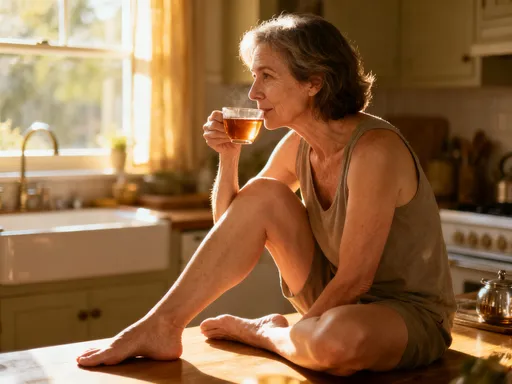
Anti-aging isn’t about looking younger overnight—it’s about building lasting health. I used to chase quick fixes, from extreme diets to trendy supplements, only to feel more confused. Over time, I realized the real key lies in science-backed habits and clear health standards. This is my journey through the noise, sharing what truly supports vitality, energy, and long-term well-being—no hype, just honest insights that make a difference.
The Anti-Aging Hype Trap
For years, the message has been clear: if you want to age well, you must look young. Advertisements, social media, and celebrity culture have amplified this idea, equating healthy aging with smooth skin, wrinkle-free faces, and a lean figure. This narrow focus creates a powerful emotional pull, especially for women in their 30s to 50s who notice subtle changes in their bodies and begin to question whether they are “keeping up.” The result is a multi-billion-dollar industry built on promises of age reversal, glowing skin, and instant transformation. But beneath the glossy surface lies a trap—one that prioritizes appearance over actual health.
The problem with this mindset is that it often leads people away from sustainable wellness and toward temporary, sometimes harmful, solutions. Many so-called anti-aging products claim to erase years with a single cream or supplement, yet they rarely address the deeper systems that govern how we age. True aging is not just skin deep; it involves complex biological processes like cellular regeneration, hormonal balance, and metabolic function. When we focus only on outward signs, we risk ignoring the internal signals that matter most. A face may look smoother after a treatment, but if fatigue, brain fog, or joint stiffness persist, the body is still signaling imbalance.
Marketing thrives on fear—fear of aging, fear of decline, fear of becoming invisible. This emotional manipulation drives consumers toward quick fixes that promise dramatic results with minimal effort. However, these solutions often lack scientific support. For example, some popular serums contain ingredients that may improve skin texture slightly but do nothing to slow biological aging at the cellular level. Similarly, detox teas and extreme fasting regimens may lead to short-term weight loss but can disrupt digestion, deplete energy, and weaken immunity over time. The truth is, no product can stop time. What can make a difference is how we care for our bodies every day through consistent, evidence-based choices.
Redefining Health Standards Beyond Numbers
When most people think about health, they default to numbers: weight, age, cholesterol levels, or the number on the scale. While these metrics can offer useful insights, they don’t tell the whole story. A woman might weigh within a “normal” range but still feel exhausted, struggle with concentration, or experience joint pain when walking. Conversely, someone slightly above average weight might have excellent stamina, clear thinking, and strong muscles. This discrepancy highlights the limitations of relying solely on numerical benchmarks to assess well-being.
Instead, a more meaningful way to evaluate health is through functional capacity—how well the body performs in daily life. Can you climb stairs without getting winded? Do you wake up feeling rested? Are you able to focus at work or enjoy time with family without mental fatigue? These practical measures reflect what scientists call “functional health,” a concept that emphasizes quality of life over cosmetic ideals. Functional health includes mobility, endurance, cognitive sharpness, emotional stability, and the ability to recover from stress or illness. It shifts the focus from how you look to how you feel and function.
One of the most empowering realizations on my journey was understanding that aging does not have to mean decline. Many women assume that fatigue, stiffness, or memory lapses are inevitable parts of getting older. But research shows that while some changes occur naturally with age, many symptoms commonly attributed to aging are actually the result of lifestyle factors—poor sleep, chronic stress, sedentary habits, or nutrient deficiencies. By addressing these root causes, it’s possible to maintain high levels of energy, mental clarity, and physical strength well into later decades. The goal isn’t to look 25 again, but to feel strong, alert, and capable at every stage of life.
The Hidden Dangers of Quick Fixes
In the search for faster results, many turn to extreme diets, unregulated supplements, or intensive detox programs promising rapid anti-aging benefits. These approaches often sound appealing—lose weight in 10 days, reset your metabolism, flush out toxins—but they come with significant risks. Restrictive eating patterns, such as very low-calorie diets or eliminating entire food groups without medical supervision, can slow metabolism, lead to muscle loss, and trigger hormonal imbalances. For women approaching or going through menopause, such disruptions can worsen symptoms like hot flashes, mood swings, and sleep disturbances.
Supplements are another area where caution is essential. While certain vitamins and minerals play crucial roles in health, the supplement industry is largely unregulated. Some products marketed as “anti-aging miracles” contain undisclosed ingredients, excessive doses, or substances that interact poorly with medications. For instance, high-dose antioxidant supplements may interfere with the body’s natural repair mechanisms, and certain herbal blends can strain the liver or disrupt thyroid function. Even seemingly harmless detox teas often contain laxatives that lead to dehydration and electrolyte imbalances when used regularly.
Another overlooked risk is the psychological toll of chasing perfection. Constantly measuring, monitoring, and restricting can create an unhealthy relationship with food and body image. This cycle of restriction and disappointment can erode self-esteem and increase anxiety. The pursuit of an unattainable ideal may lead to burnout, making it harder to sustain even basic healthy habits. Rather than enhancing well-being, these quick fixes often leave people more exhausted, confused, and disconnected from their body’s true needs. The body responds best to balance, not extremes. Sustainable health comes not from drastic overhauls, but from consistent, nourishing choices made over time.
What Science Says About Slowing Aging
While aging is a natural process, science now confirms that its pace can be influenced by lifestyle. Researchers studying longevity have identified several key factors that support cellular health and slow biological aging. These include quality sleep, regular physical activity, stress reduction, and a nutrient-rich diet. Unlike fad treatments, these practices are backed by decades of clinical evidence and are associated with longer telomeres, reduced inflammation, and improved mitochondrial function—all markers of healthier aging at the molecular level.
Sleep, for example, is not just a time for rest—it’s a critical period for cellular repair and brain detoxification. During deep sleep, the body clears out metabolic waste, repairs damaged tissues, and regulates hormones that control appetite, mood, and immunity. Chronic sleep deprivation, on the other hand, increases inflammation, raises cortisol levels, and accelerates cellular aging. Studies show that adults who consistently get 7–8 hours of restful sleep have better cognitive function, stronger immune responses, and lower risks of chronic conditions like heart disease and type 2 diabetes.
Physical movement is equally vital. Regular exercise, especially a combination of strength training, aerobic activity, and flexibility work, helps preserve muscle mass, maintain joint health, and support cardiovascular function. It also stimulates the production of brain-derived neurotrophic factor (BDNF), a protein that promotes neuron growth and protects against cognitive decline. Even moderate activities like walking, gardening, or dancing have been shown to improve insulin sensitivity, reduce oxidative stress, and enhance mood through natural endorphin release.
Nutrition plays a foundational role as well. Diets rich in whole foods—especially vegetables, fruits, legumes, nuts, seeds, and healthy fats—provide antioxidants, fiber, and essential micronutrients that protect cells from damage. The Mediterranean diet, in particular, has been extensively studied and linked to longer life expectancy and reduced risk of age-related diseases. Equally important is avoiding ultra-processed foods, excessive sugar, and trans fats, which contribute to inflammation and metabolic dysfunction. These science-backed habits don’t promise to stop time, but they do create the internal environment where the body can thrive at any age.
Building Sustainable Daily Habits
The good news is that none of these health-promoting practices require drastic changes or expensive interventions. Lasting results come not from short-term intensity, but from daily consistency. One of the most effective strategies is to integrate small, manageable habits into existing routines. For example, improving sleep hygiene can start with simple steps: going to bed and waking up at the same time each day, reducing screen exposure an hour before bed, and creating a calming nighttime ritual like reading or light stretching. These adjustments support the body’s natural circadian rhythm, making it easier to fall asleep and wake up feeling refreshed.
Movement doesn’t have to mean hours at the gym. Incorporating natural activity into daily life—such as taking the stairs, parking farther from the entrance, doing household chores mindfully, or scheduling short walks after meals—can add up to significant health benefits over time. The key is regularity. Even 20–30 minutes of moderate activity most days of the week can improve circulation, boost energy, and enhance mood. Strength training twice a week helps maintain muscle mass, which naturally declines with age, and supports bone density, reducing the risk of fractures.
Hydration is another simple yet powerful habit. Water is essential for digestion, circulation, temperature regulation, and cognitive function. Many women unknowingly operate in a state of mild dehydration, which can contribute to fatigue, headaches, and constipation. Carrying a reusable water bottle and sipping throughout the day can make a noticeable difference in energy and focus. Similarly, choosing whole, minimally processed foods most of the time ensures a steady supply of nutrients without the blood sugar spikes and crashes associated with refined carbohydrates and sugary snacks.
The beauty of these habits is that they compound. One good night of sleep makes the next day’s choices easier. A short walk can spark motivation for other healthy decisions. Over time, these small actions build resilience, making the body better equipped to handle stress, recover from illness, and maintain balance. The goal is not perfection, but progress—showing up for your health in realistic, sustainable ways every day.
Listening to Your Body’s Signals
In a world full of external advice—what to eat, how to exercise, when to sleep—it’s easy to overlook the most reliable guide: your own body. Each person’s physiology is unique, and what works for one may not work for another. This is why self-awareness is a cornerstone of true health. Learning to recognize and respond to your body’s signals can prevent minor imbalances from turning into chronic issues. Fatigue, irritability, digestive discomfort, or difficulty concentrating are not just inconveniences—they are messages indicating that something may need adjustment.
One practical way to tune in is by tracking personal well-being markers. Instead of obsessing over weight or appearance, keep a simple journal noting energy levels, sleep quality, mood, and digestion. Over time, patterns may emerge—perhaps low energy after certain meals, better focus on days with morning movement, or improved sleep when alcohol is limited. These observations provide valuable feedback, helping you make informed choices tailored to your needs. For example, if you notice bloating after eating processed foods, that’s a clear sign to prioritize whole ingredients. If stress leads to tension headaches, it may be time to incorporate more relaxation techniques.
Intuition also plays a role. When you slow down and pay attention, you may notice subtle cues—feeling light after a nourishing meal, grounded after a walk in nature, or tense when over-scheduled. Honoring these feelings fosters a deeper connection with your body and builds trust in your ability to care for yourself. This doesn’t mean ignoring professional guidance—doctors, nutritionists, and physical therapists offer essential expertise—but rather combining their knowledge with your lived experience. Health is not one-size-fits-all; it’s a dynamic process of listening, adjusting, and responding with kindness and consistency.
The Bigger Picture: Aging with Vitality, Not Fear
Ultimately, the goal of healthy aging is not to resist time, but to move through it with strength, clarity, and purpose. The cultural obsession with looking young can make aging feel like a loss, but reframing it as a journey of growth shifts the entire perspective. Every stage of life brings new opportunities—to deepen relationships, explore passions, and cultivate wisdom. When health is viewed not as a battle, but as a daily practice of care, it becomes empowering rather than exhausting.
True wellness means feeling capable—able to play with grandchildren, travel, pursue hobbies, and contribute to community and family. It means having the energy to engage fully in life, not just surviving but thriving. This kind of vitality doesn’t come from miracle cures or overnight transformations. It comes from making informed choices, seeking professional advice when needed, and committing to habits that support long-term well-being. It means letting go of unrealistic standards and embracing a more compassionate, realistic view of health.
As women in their 30s, 40s, and 50s navigate the changes that come with time, the most powerful tool they have is knowledge. Understanding what truly supports health—sleep, movement, nutrition, stress management—allows them to make decisions based on science, not hype. It means choosing sustainability over speed, balance over extremes, and self-awareness over comparison. Aging is not something to fear or fight. It is a natural part of life, and with the right foundation, it can be a time of renewed strength, confidence, and joy. The real anti-aging secret isn’t hidden in a bottle or a trend—it’s in the daily choice to honor your body, listen to its needs, and build a life of lasting vitality.