I used to think pain was just part of life—until I gave acupuncture and massage a real try. It wasn’t magic, but the changes were real: better sleep, less stiffness, more energy. This isn’t about curing diseases—it’s about shifting how we see health. Instead of waiting to break down, I started listening to my body. What I discovered went beyond needles and rubs—it reshaped my whole mindset. This is that story.
The Breaking Point: When Pain Became a Wake-Up Call
For years, I dismissed my body’s signals as normal wear and tear. A stiff shoulder after long days at the desk? Just part of getting older. Trouble falling asleep? Probably stress from managing work and family. But over time, the fatigue deepened, the tension became constant, and even small tasks felt heavier. I found myself rubbing my neck constantly, waking up with jaw pain, and relying on over-the-counter pain relievers more than I cared to admit. It wasn’t a single injury that pushed me to change—it was the slow accumulation of discomfort that finally made me pause.
I had always associated acupuncture and massage with luxury or last-resort treatments, something you tried when doctors had no answers. But I wasn’t looking for a miracle cure. I just wanted to feel like myself again. I wasn’t diagnosed with a condition, but I knew something was off. My body was sending messages, and I had spent too long ignoring them. That realization was the turning point. I decided to explore acupuncture and massage not as desperate measures, but as intentional steps toward balance. I wasn’t broken—I was out of alignment.
What surprised me most was how open-minded I became once I committed to trying. I had expected skepticism to linger, but within a few sessions, subtle shifts began to emerge. I slept more soundly. My morning stiffness lessened. I stopped reaching for painkillers as a reflex. These weren’t dramatic transformations, but they were consistent. For the first time in years, I felt like I was working with my body, not against it. That shift in perspective—seeing wellness as an ongoing process rather than a destination—became the foundation of everything that followed.
What Acupuncture Actually Is (Spoiler: It’s Not Witchcraft)
Before my first appointment, I’ll admit I had misconceptions. Images of ancient rituals and mystical energy fields came to mind. But modern acupuncture is far more grounded. It involves the insertion of very thin, sterile needles into specific points on the body—points that research suggests may influence nerve activity, muscle response, and circulation. These points are not random; they are part of a system developed over centuries and now supported by clinical studies on pain management and nervous system regulation.
The experience was nothing like I expected. The needles were so fine I barely felt them. Some points produced a mild tingling or dull ache—what practitioners call “de qi,” a sign the body is responding. Most sessions lasted about 30 to 45 minutes, during which I simply rested, often drifting into a light nap. There was no drama, no sudden revelations—just quiet, focused attention on my physical state.
Scientifically, acupuncture is thought to help modulate the nervous system, reducing the body’s stress response and promoting relaxation. Studies have shown it may assist in reducing muscle tension, improving blood flow, and supporting the body’s natural pain-relief mechanisms. It doesn’t “cure” chronic pain, but it can help regulate how the body perceives and responds to it. Importantly, it works best when combined with other healthy habits—good sleep, movement, and mindful eating. It’s not a standalone fix, but a supportive tool.
One of the biggest myths is that acupuncture is painful. For most people, it’s not. Any discomfort is brief and mild. Another misconception is that results should be immediate. Some notice changes after one session, but for many, benefits build gradually. I didn’t walk out after the first visit pain-free. But over time, I noticed I carried less tension in my shoulders, my sleep improved, and I felt calmer overall. Acupuncture didn’t erase my stress—it helped my body handle it better.
Massage Therapy: More Than Just a Spa Treat
Like many, I used to think of massage as a treat—something reserved for vacations or special occasions. But therapeutic massage is different. It’s not just about relaxation, though that’s a welcome side effect. It’s a form of physical maintenance, like stretching or strengthening. When I began regular sessions, I started to understand how deeply muscle tension can affect daily life. My therapist focused on my upper back, neck, and shoulders—areas that had been locked in chronic tightness for years.
Over the first few weeks, I noticed small but meaningful changes. I stopped cracking my neck every morning. My range of motion improved. I could turn my head while reversing the car without wincing. These might seem minor, but they added up. My posture gradually shifted from hunched to more upright. I wasn’t just feeling better—I was moving better.
There’s a difference between a relaxation massage and therapeutic work. The former is wonderful for stress relief, but the latter targets specific muscle groups, adhesions, and postural imbalances. My therapist used techniques like myofascial release and trigger point therapy—methods designed to loosen deep tension and restore mobility. Communication was key. I learned to speak up when pressure was too much or not enough, and to share how I’d been feeling between sessions.
Consistency made the difference. Going once a year wouldn’t have helped. But biweekly sessions allowed progress to build. Muscles that had been tight for years began to release. The body has memory, and just as poor habits create tension, good ones can restore balance. Massage didn’t just work on my muscles—it helped me become more aware of how I sat, stood, and moved. It turned passive discomfort into active awareness.
Why This Changed My Health Mindset
The biggest transformation wasn’t physical—it was mental. For most of my adult life, I approached health reactively. I ate well when I gained weight. I exercised when I felt sluggish. I saw a doctor when symptoms became impossible to ignore. But acupuncture and massage taught me a new model: proactive care. Instead of waiting for a problem to arise, I began investing in maintenance—small, regular actions that kept my body functioning well.
I started to see my body like a finely tuned instrument. Just as a piano needs regular tuning, or a car needs oil changes, our bodies benefit from consistent attention. Neglect leads to breakdown. Care leads to resilience. This shift wasn’t about perfection—it was about presence. It meant paying attention to how I felt, not just how I looked or performed.
Over time, the benefits extended beyond physical comfort. My mood stabilized. I felt less reactive to daily stress. I slept more deeply and woke up with more energy. These changes weren’t dramatic, but they were sustainable. I realized that wellness isn’t the absence of pain—it’s the presence of balance. And balance isn’t achieved through extreme measures, but through small, repeated choices.
This mindset also changed how I viewed self-care. It wasn’t selfish or indulgent. It was necessary. Just as I make time for grocery shopping, school pickups, and work meetings, I now make time for my well-being. These appointments aren’t luxuries—they’re part of my routine, like brushing my teeth or preparing meals. When I care for my body, I show up better for my family, my work, and myself.
Combining Both: How They Work Better Together
While both acupuncture and massage helped on their own, I found their real power in combination. They operate on different levels—acupuncture works deeper, influencing the nervous system and energy flow, while massage addresses the physical tension in muscles and connective tissue. Together, they create a synergistic effect.
I settled into a rhythm: monthly acupuncture sessions to support overall regulation, paired with biweekly massage to manage muscle tension. I noticed that after an acupuncture session, my body felt more receptive to massage. The reduced inflammation and calmer nervous system made it easier for the therapist to work on tight areas. Conversely, massage helped prepare my body for acupuncture by releasing surface tension that might otherwise block deeper responses.
Over a three-month period, I tracked improvements in mobility, sleep quality, and mental clarity. I could sit through a long meeting without shifting constantly. I stopped waking up with headaches. I felt more grounded, less frazzled. These weren’t overnight changes, but they were consistent. My body wasn’t “fixed”—it was functioning more smoothly.
The combination also helped me become more attuned to early warning signs. A slight tightness in my neck, a hint of fatigue—these were no longer ignored. I learned to respond early, often with a simple stretch, a warm bath, or an earlier bedtime. This proactive approach prevented small issues from becoming bigger ones. It wasn’t about avoiding discomfort entirely—it was about building resilience so I could handle it better when it came.
What I Learned About Professional Guidance
One of the most important lessons was the value of working with qualified professionals. Not all practitioners are the same. I made sure my acupuncturist was licensed, with training from an accredited program. My massage therapist was certified and specialized in therapeutic work, not just relaxation. This made a significant difference in both safety and effectiveness.
I avoided DIY kits or unlicensed providers, no matter how convenient or affordable they seemed. These therapies involve working with the body’s systems, and improper technique can do more harm than good. I also learned to ask questions: What’s your training? How do you tailor sessions to individual needs? What should I expect? A good practitioner welcomes these conversations and helps you feel informed and in control.
Equally important was understanding the limits of these therapies. They are not substitutes for medical diagnosis or treatment. If I had a new or worsening symptom, I still consulted my doctor. But when used responsibly, acupuncture and massage can be valuable supports within a broader health plan. They complement medical care by helping manage stress, improve circulation, and promote relaxation—factors that influence overall well-being.
Word of mouth helped me find trusted providers. I asked friends, checked online reviews, and visited clinics in person before committing. I looked for clean, professional spaces where I felt comfortable. The relationship with my practitioners became part of the healing process—built on trust, communication, and mutual respect.
Making It Sustainable: Building a Routine That Fits Real Life
The biggest challenge wasn’t the treatments themselves—it was making them part of my daily life. I’m not retired. I have a job, a family, and responsibilities. At first, fitting in appointments felt like one more thing on an already full schedule. But I realized that self-care isn’t something you find time for—it’s something you prioritize.
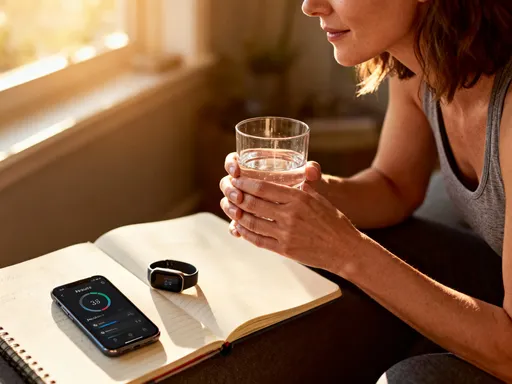
I started small. One massage a month. One acupuncture session every six weeks. I tracked how I felt in a simple journal—sleep quality, energy levels, areas of tension. Over time, the benefits became clear enough that I adjusted my budget and schedule to make them regular. Some insurance plans cover acupuncture, and a few include massage therapy, especially with a referral. I checked my benefits and found partial coverage, which made it more manageable.
I got creative with timing. I scheduled sessions during lunch breaks or right after work. Some clinics offer evening hours, which helped. I viewed these appointments not as indulgences, but as essential maintenance—like grocery shopping or home repairs. When I invest in my body, I have more energy, patience, and presence for everything else.
Sustainability also meant staying open-minded. Some sessions had immediate effects. Others felt subtle. I learned not to judge progress by a single visit, but by the overall trend. I let go of the need for instant results and embraced the slow, steady nature of healing. This wasn’t about quick fixes—it was about building lifelong habits that supported my well-being.
Conclusion
My journey with acupuncture and massage wasn’t about eliminating pain completely. It was about learning to listen, respond, and care for my body in a more intentional way. The physical improvements—better sleep, less stiffness, more energy—were welcome, but the deeper shift was in my mindset. I moved from reacting to problems to preventing them. I stopped seeing self-care as a luxury and started treating it as a necessity.
Health isn’t the absence of discomfort. It’s the ability to adapt, recover, and stay in balance. Acupuncture and massage gave me tools to support that balance, not as quick fixes, but as part of a sustainable, mindful approach to living. They taught me that healing doesn’t have to hurt—and that sometimes, the gentlest practices create the most lasting change.
If you’re feeling worn down, carrying tension, or simply out of sync, consider exploring these therapies—not as last resorts, but as thoughtful investments in your well-being. Seek licensed professionals, stay curious, and be patient. Let your body guide you. The path to balance isn’t always fast, but it’s always worth walking.